Bananas have earned a reputation as the go-to fruit for potassium, an essential mineral that plays a vital role in muscle function, nerve signaling, and blood pressure regulation. One medium banana contains approximately 422 mg of potassium, which is about 9% of the daily recommended intake for adults.
While bananas are nutritious, they are not the only source of potassium, and some foods actually contain more potassium per serving. Increasing potassium intake is important for maintaining heart health, fluid balance, and overall energy.
Here’s a list of five foods with more potassium than a banana, along with practical ways to include them in your diet.
1. Sweet Potatoes
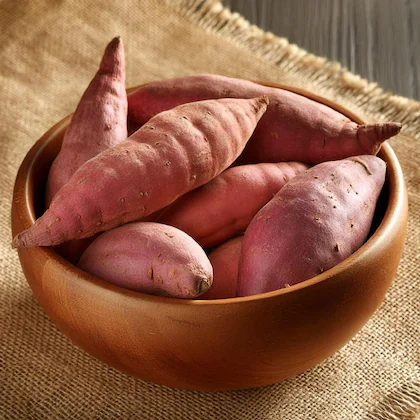
Sweet potatoes are a versatile root vegetable packed with potassium. One medium sweet potato (about 130 grams) provides around 542 mg of potassium, surpassing the potassium content of a medium banana.
Benefits:
- High in vitamin A (beta-carotene) for eye and immune health
- Rich in fiber, supporting digestion and satiety
- Contains antioxidants that protect cells from damage
How to Eat Sweet Potatoes:
- Roast or bake as a side dish
- Mash with a touch of olive oil and spices
- Add to soups, stews, or salads
Sweet potatoes are delicious and naturally sweet, making them a nutrient-dense alternative to starchy carbs.
2. Avocados
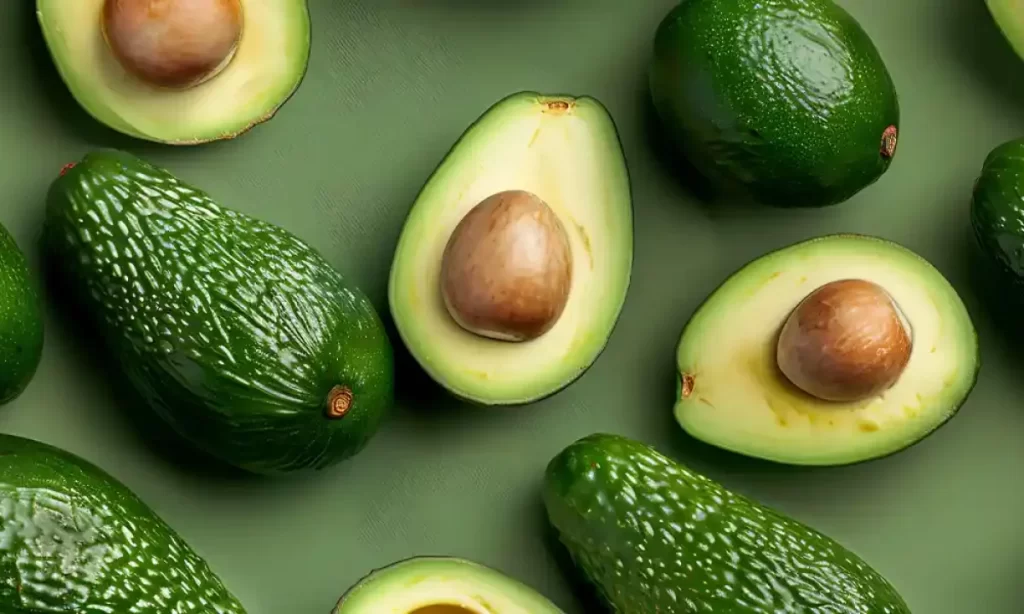
Avocados are a creamy, nutrient-rich fruit loaded with potassium. One medium avocado contains roughly 708 mg of potassium, making it a potassium powerhouse.
Benefits:
- High in heart-healthy monounsaturated fats
- Contains fiber, vitamin K, and folate
- Supports satiety and blood sugar regulation
How to Eat Avocados:
- Mash for toast or sandwiches
- Add to salads, smoothies, or grain bowls
- Make guacamole for a flavorful snack
Avocados not only boost potassium intake but also provide healthy fats that help absorb fat-soluble vitamins.
3. Spinach
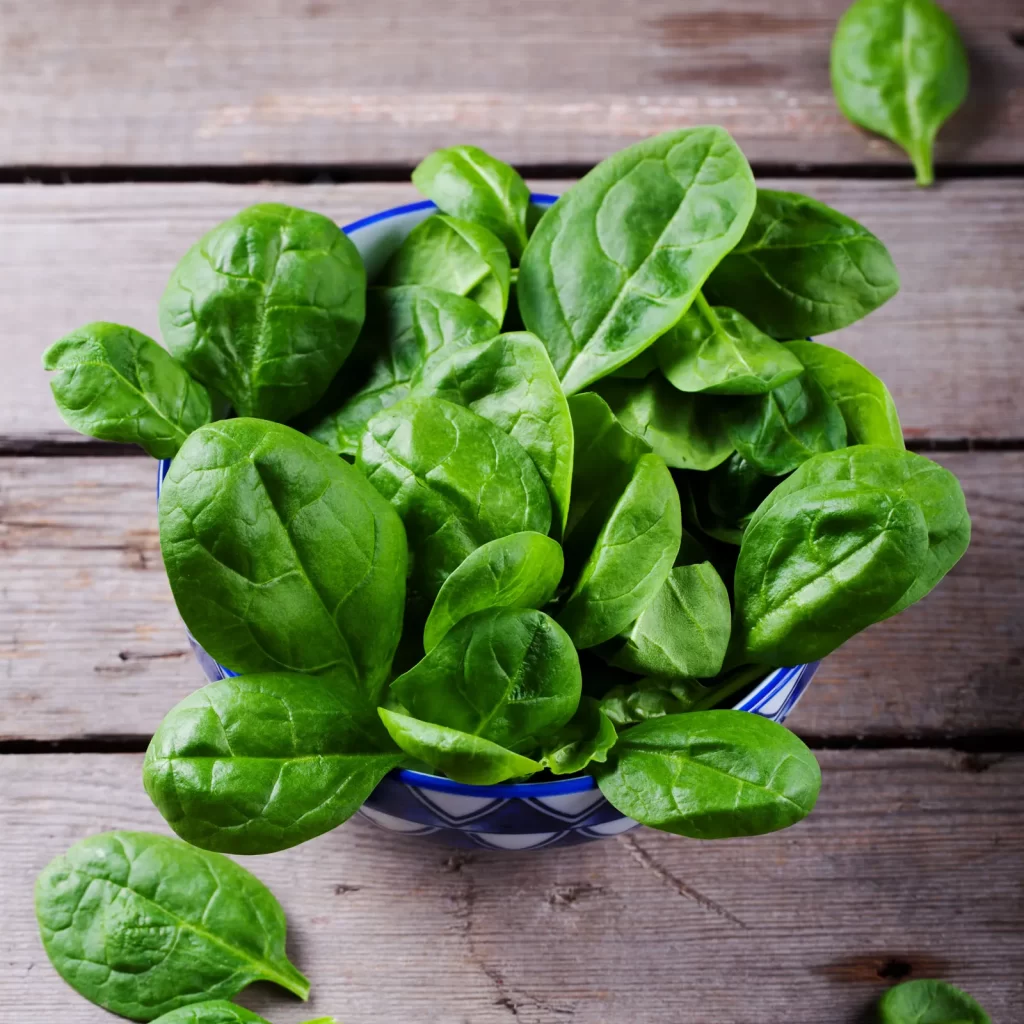
Spinach is a leafy green rich in vitamins and minerals, including potassium. One cup of cooked spinach provides about 839 mg of potassium, nearly double the amount in a banana.
Benefits:
- Packed with iron, magnesium, and vitamin K
- High in antioxidants, supporting heart and bone health
- Low in calories but nutrient-dense
How to Eat Spinach:
- Toss raw into salads or smoothies
- Sauté with garlic and olive oil
- Add to soups, omelets, or pasta dishes
Cooking spinach concentrates its nutrients, making it an excellent choice for a potassium-rich meal.
4. White Beans
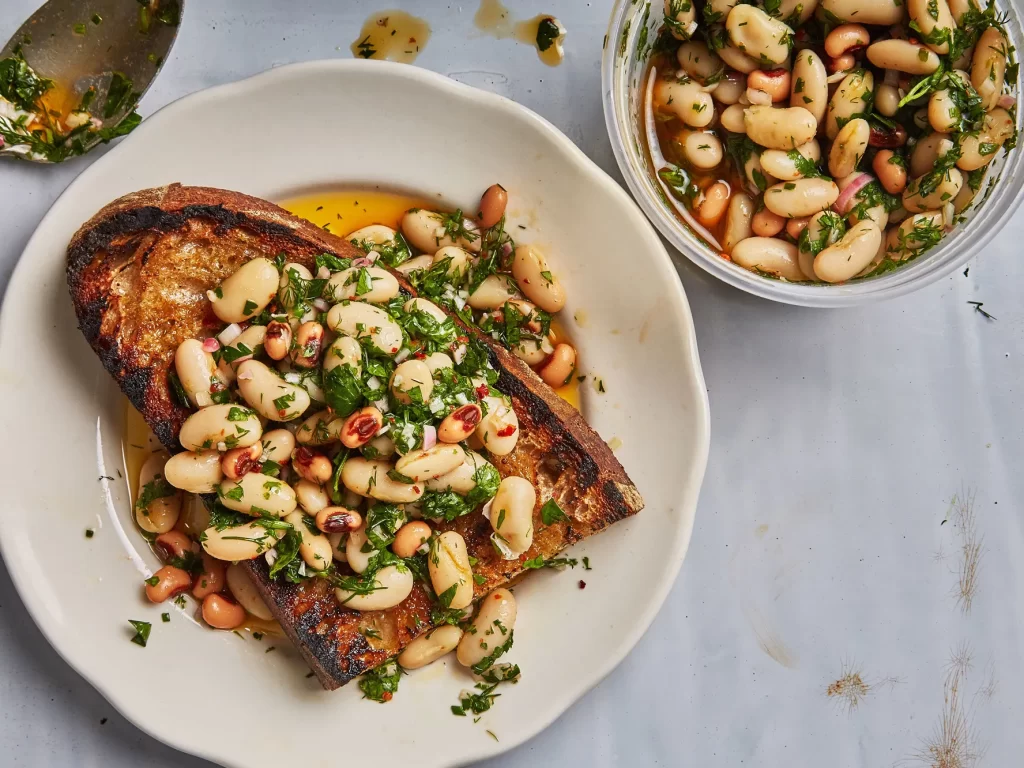
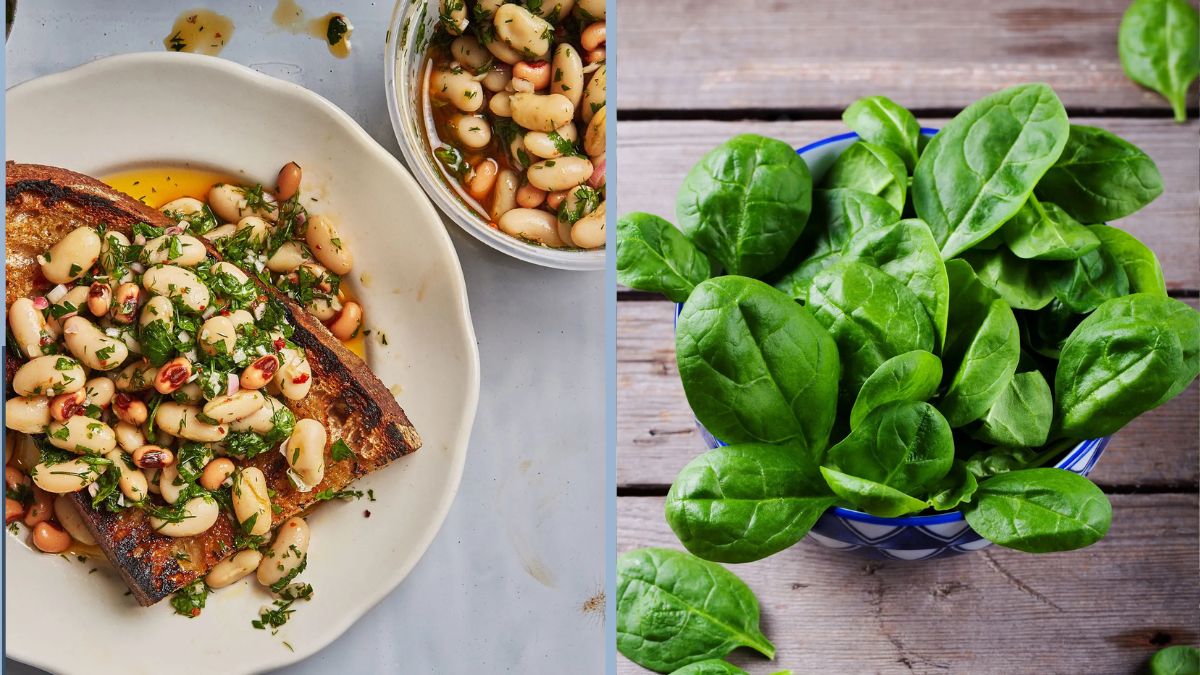
White beans, including navy and cannellini beans, are a legume-based potassium source. One cup of cooked white beans contains approximately 1,189 mg of potassium, nearly three times the amount in a banana.
Benefits:
- High in protein and fiber, supporting muscle and digestive health
- Contains magnesium, iron, and folate
- Low in fat and versatile for many recipes
How to Eat White Beans:
- Add to soups, stews, and chili
- Blend into dips or spreads like hummus
- Toss into salads or grain bowls
White beans are a powerful plant-based option for increasing potassium while boosting protein and fiber intake.
5. Salmon
Salmon isn’t just a heart-healthy protein source—it’s also rich in potassium. A 3-ounce (85-gram) serving of cooked salmon contains roughly 534 mg of potassium, making it an excellent alternative to bananas for those who consume animal products.
Benefits:
- Rich in omega-3 fatty acids, which support heart and brain health
- High in protein for muscle maintenance
- Provides vitamin D and selenium, supporting bone and immune health
How to Eat Salmon:
- Bake or grill with herbs and lemon
- Add to salads or grain bowls
- Enjoy as a snack in smoked salmon form
Including salmon in your diet provides potassium along with essential fats and protein, making it a nutrient-dense choice for overall wellness.
Why Potassium Matters
Potassium is a critical mineral for overall health, playing a role in:
- Muscle contraction and nerve function
- Maintaining healthy blood pressure by counteracting sodium
- Fluid and electrolyte balance
- Supporting bone health
Low potassium intake is associated with muscle weakness, fatigue, high blood pressure, and increased risk of cardiovascular disease. Including potassium-rich foods in your daily diet can protect heart health, improve energy, and enhance overall well-being.
Tips for Boosting Potassium Intake
- Diversify Your Sources: Include fruits, vegetables, legumes, nuts, and lean proteins for a well-rounded potassium intake.
- Cook Lightly: Steaming or roasting vegetables preserves potassium better than boiling.
- Pair With Magnesium and Calcium: These minerals work synergistically with potassium for bone and heart health.
- Limit Excess Sodium: High sodium intake can offset potassium’s benefits, so aim for fresh, minimally processed foods.
- Use Potassium-Rich Snacks: Consider edamame, dried fruits, or nuts as convenient potassium sources between meals.
Other Foods High in Potassium
While the five foods listed above are some of the highest sources, other notable potassium-rich foods include:
- Potatoes (baked with skin)
- Beets and beet greens
- Acorn squash
- Dried apricots and raisins
- Coconut water
Incorporating a variety of these foods ensures adequate potassium intake and adds flavor and nutrient diversity to your meals.
Who Should Prioritize Potassium-Rich Foods?
Certain groups should pay particular attention to potassium intake:
- Individuals with high blood pressure: Potassium helps counter sodium and supports heart health
- Athletes and active individuals: Potassium is essential for muscle function and electrolyte balance
- Older adults: Adequate potassium helps maintain bone density and cardiovascular health
- People on diuretics: Potassium may be lost through increased urination, so dietary sources are crucial
Including potassium-rich foods like sweet potatoes, avocado, spinach, white beans, and salmon ensures these populations receive the nutrients necessary for optimal health.
Conclusion: Bananas Are Great, but There Are More Potassium-Packed Foods
While bananas are a convenient and tasty source of potassium, there are many foods that surpass bananas in potassium content per serving. Sweet potatoes, avocados, spinach, white beans, and salmon provide substantial amounts of potassium, along with other nutrients like fiber, protein, omega-3 fatty acids, and antioxidants.
Key Takeaways:
- Potassium supports muscle, nerve, heart, and bone health
- Several foods contain more potassium than a banana, offering diversity and additional nutrients
- Incorporate a variety of fruits, vegetables, legumes, and lean proteins to maximize potassium intake
- Pair potassium-rich foods with magnesium, calcium, and vitamin D for overall health benefits
By including these foods in your daily diet, you can boost potassium intake naturally, enhance overall nutrition, and support heart, muscle, and bone health—without relying solely on bananas.