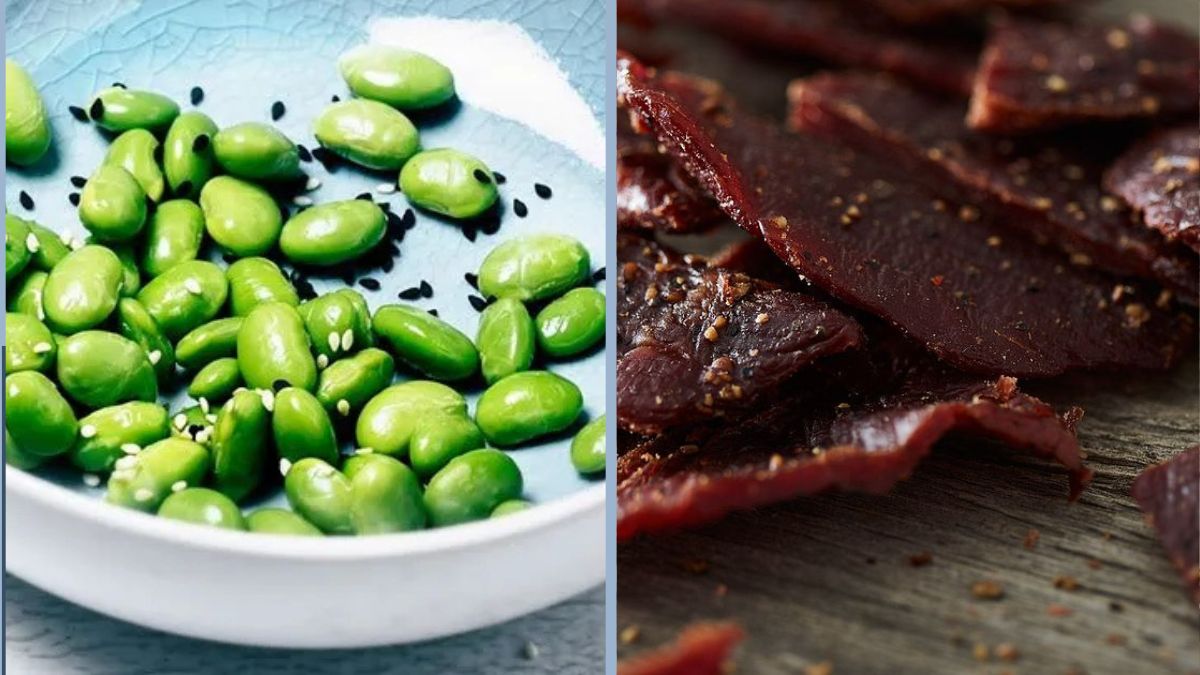
Eggs are often considered a protein powerhouse, with one large egg containing approximately 6–7 grams of high-quality protein. They’re convenient, versatile, and packed with essential nutrients. But what if you’re looking for snacks that pack even more protein? Whether you’re an athlete, a busy professional, or simply trying to maintain muscle mass and satiety, high-protein snacks can help fuel your body between meals.
Here’s a list of six snacks with more protein than a single egg, plus tips on incorporating them into your daily routine.
1. Greek Yogurt

Greek yogurt is a popular protein-rich snack that surpasses the protein content of a large egg. One cup (245 grams) of plain, non-fat Greek yogurt contains roughly 15–20 grams of protein—more than double an egg.
Benefits:
- High in calcium for bone health
- Contains probiotics for gut health
- Low in added sugar when you choose plain varieties
How to Eat Greek Yogurt:
- Mix with fresh berries and a sprinkle of nuts
- Blend into a smoothie for a protein boost
- Use as a base for savory dips and sauces
Tip: Opt for plain Greek yogurt and add your own fruit or spices to avoid hidden sugars while maximizing protein content.
2. Cottage Cheese
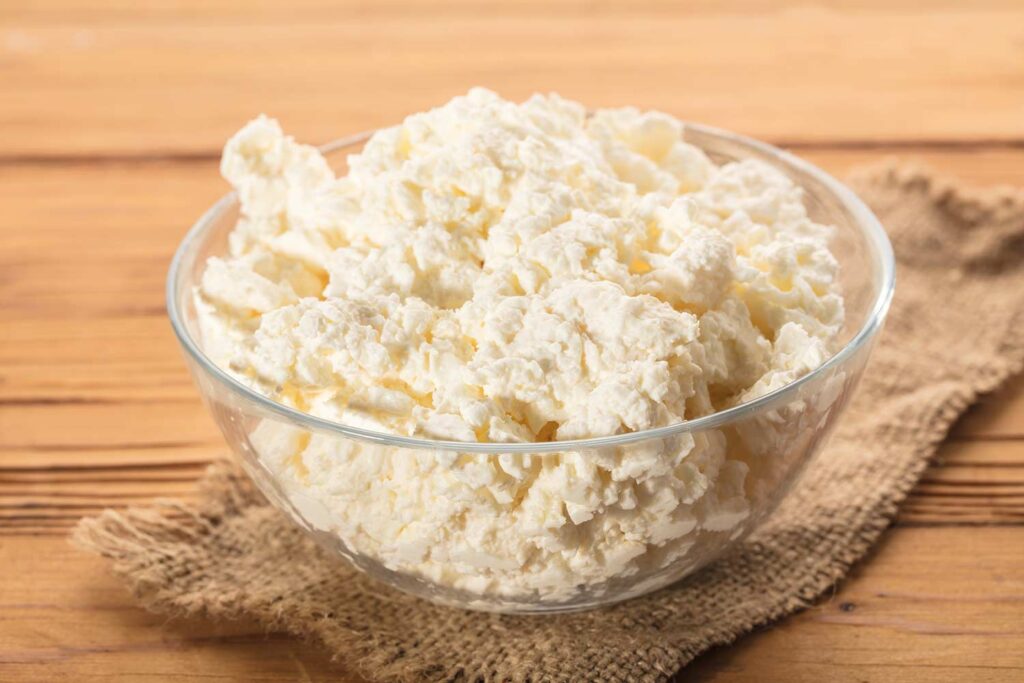
Cottage cheese is another dairy snack rich in protein. One cup (226 grams) of low-fat cottage cheese provides around 27 grams of protein, making it one of the highest-protein dairy snacks available.
Benefits:
- Rich in casein protein, which digests slowly and promotes satiety
- Provides calcium and phosphorus for strong bones
- Low in carbohydrates, suitable for low-carb diets
How to Eat Cottage Cheese:
- Pair with fruit for a sweet snack
- Mix with tomatoes, cucumber, or herbs for a savory option
- Spread on whole-grain crackers for added fiber
Cottage cheese’s high protein and slow-digesting casein make it an excellent snack for muscle repair and long-lasting fullness.
3. Beef Jerky
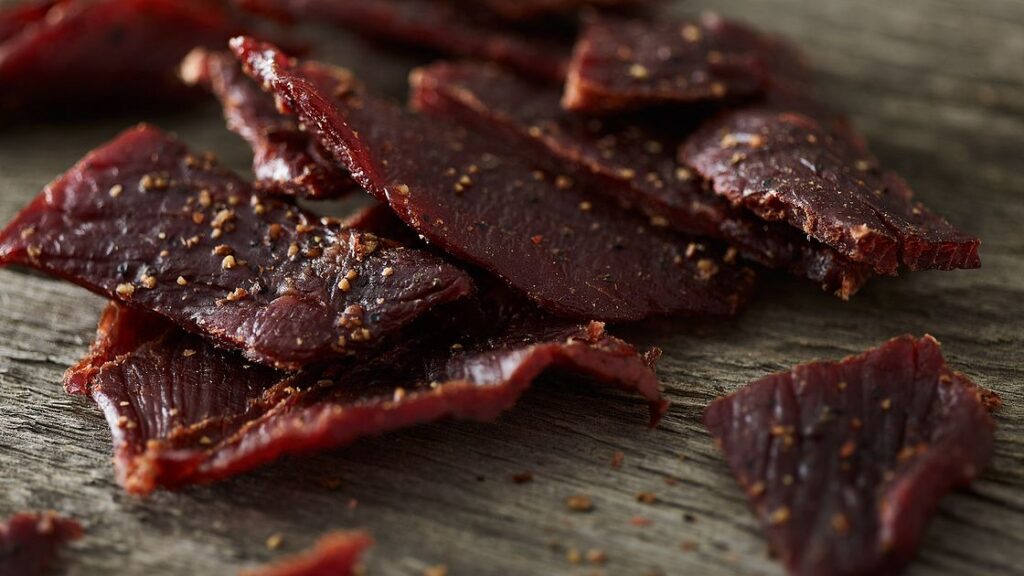
Beef jerky is a protein-packed snack that’s convenient for on-the-go nutrition. A 1-ounce (28-gram) serving of beef jerky contains about 9–10 grams of protein, more than an egg.
Benefits:
- Rich in iron and zinc, supporting energy and immune function
- Low in carbohydrates, making it suitable for keto or low-carb diets
- Shelf-stable and easy to carry
How to Eat Beef Jerky:
- Enjoy straight from the package
- Pair with nuts or a piece of fruit for a balanced snack
- Chop into salads for added protein
Tip: Choose low-sodium and minimally processed jerky to reduce added sugars and preservatives while still getting a protein punch.
4. Protein Bars

Protein bars are designed to deliver high protein conveniently. Most bars provide 10–20 grams of protein per serving, depending on the brand. Some even rival or exceed the protein in a small meal.
Benefits:
- Portable and convenient for busy lifestyles
- Often fortified with vitamins and minerals
- Variety of flavors to suit different preferences
How to Eat Protein Bars:
- As a pre- or post-workout snack
- Mid-morning or afternoon snack to curb cravings
- On-the-go meal replacement in a pinch
Tip: Read labels carefully. Choose bars with real ingredients, low added sugar, and at least 10 grams of protein to maximize nutrition.
5. Hard-Boiled Chicken or Turkey Slices
Lean poultry can be a convenient snack if you prepare it ahead of time. Three ounces (85 grams) of cooked chicken or turkey breast contains approximately 20–25 grams of protein, far surpassing an egg.
Benefits:
- High-quality, complete protein with all essential amino acids
- Low in fat if you choose skinless cuts
- Supports muscle repair, satiety, and energy
How to Eat Lean Poultry as a Snack:
- Wrap slices around veggies or cheese for a protein-rich roll-up
- Pair with hummus or avocado for flavor and healthy fats
- Keep pre-cooked slices in the fridge for a quick, grab-and-go snack
Lean poultry slices are an efficient and versatile way to boost protein intake without consuming excessive calories.
6. Edamame
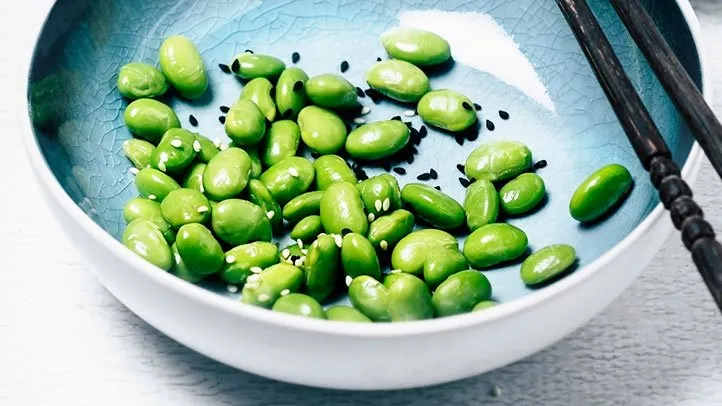
Edamame, or young soybeans, is a plant-based protein snack that provides more protein than a single egg. One cup of shelled edamame (155 grams) contains roughly 17 grams of protein, along with fiber, vitamins, and minerals.
Benefits:
- High in plant-based protein, suitable for vegetarians and vegans
- Contains fiber, supporting digestion and satiety
- Provides iron, folate, and calcium, important for overall health
How to Eat Edamame:
- Steam and sprinkle with sea salt for a simple snack
- Add to salads, stir-fries, or grain bowls
- Blend into spreads or hummus alternatives
Edamame is a versatile, protein-packed snack that supports both muscle health and plant-based nutrition.
Why Protein Snacks Matter
Protein is crucial for a variety of bodily functions:
- Muscle repair and growth
- Satiety and appetite control
- Energy stabilization
- Bone health
Eating protein-rich snacks throughout the day can help prevent overeating, support metabolic health, and maintain lean muscle mass, especially if you are active or trying to manage weight.
Tips for Choosing High-Protein Snacks
- Check the Protein Content: Aim for snacks with at least 7 grams of protein, roughly equal to or higher than a single egg.
- Pair with Fiber or Healthy Fats: This combination helps prolong fullness and stabilize blood sugar.
- Limit Added Sugars and Sodium: Many protein bars, jerky, and flavored dairy products contain extra sugar or sodium.
- Consider Your Dietary Preferences: Choose plant-based options like edamame or Greek yogurt if avoiding meat, or lean meats for high-protein animal options.
- Plan Ahead: Keep snacks prepared and on hand to avoid reaching for low-protein, high-calorie alternatives.
Conclusion: Eggs Are Great, but There Are Protein-Packed Alternatives
Eggs are an excellent source of high-quality protein, but they aren’t the only way to meet your protein needs. Greek yogurt, cottage cheese, beef jerky, protein bars, lean poultry, and edamame all provide more protein per serving than an egg, making them ideal snacks for anyone looking to boost their intake.
Key Takeaways:
- One large egg provides 6–7 grams of protein.
- Greek yogurt, cottage cheese, edamame, protein bars, lean poultry, and beef jerky all surpass eggs in protein content per serving.
- High-protein snacks help with muscle maintenance, satiety, and energy.
- Pair protein with fiber or healthy fats for long-lasting satisfaction and balanced nutrition.
Incorporating these snacks into your daily routine ensures you stay fueled, maintain muscle mass, and keep hunger at bay—without relying solely on eggs. Protein variety is key for taste, convenience, and optimal nutrition.