Milk has long been promoted as the gold standard for calcium intake, essential for strong bones, teeth, and overall health. But did you know that there are plenty of foods that provide more calcium per serving than milk? Whether you’re lactose intolerant, vegan, or simply looking to diversify your diet, these foods can help you meet your daily calcium needs without relying solely on dairy.
Adults generally require about 1,000 mg of calcium per day, with women over 50 and men over 70 needing 1,200 mg. Incorporating calcium-rich foods into your diet can help prevent osteoporosis, support muscle function, and promote overall metabolic health.
Here’s a list of six foods that contain more calcium than milk, along with practical ways to enjoy them.
1. Kale
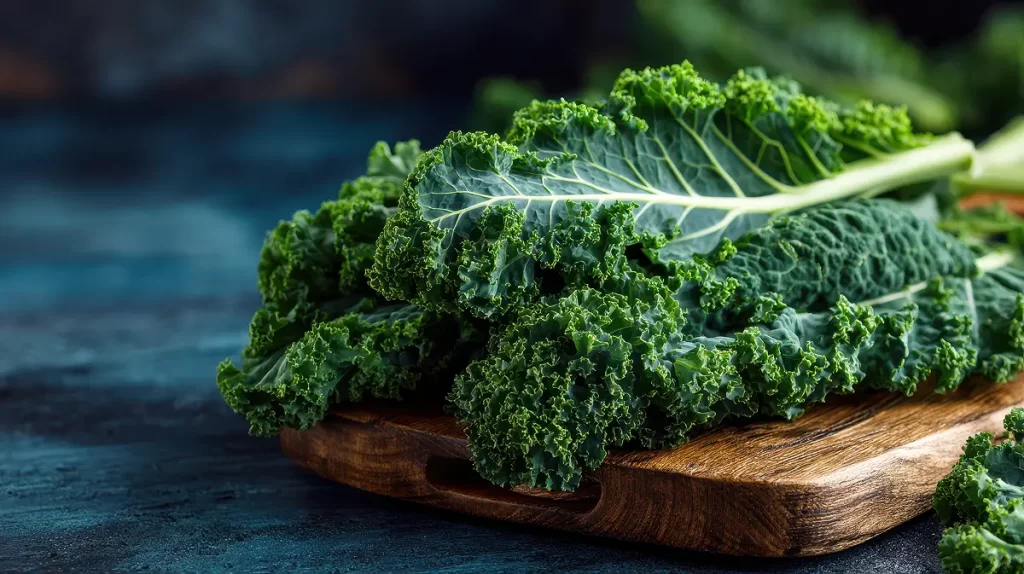
Kale is more than just a leafy green trend—it’s a nutritional powerhouse. One cup of cooked kale contains approximately 177 mg of calcium, surpassing the calcium content of one cup of milk (about 125 mg).
Benefits:
- Rich in vitamin K, essential for bone health
- High in antioxidants, including lutein and beta-carotene
- Low in calories and versatile for cooking
How to Eat Kale:
- Toss raw into salads or smoothies
- Sauté lightly with garlic and olive oil
- Add to soups, stews, and grain bowls
Tip: Lightly steaming kale can make it easier to digest while retaining most of its calcium content.
2. Almonds
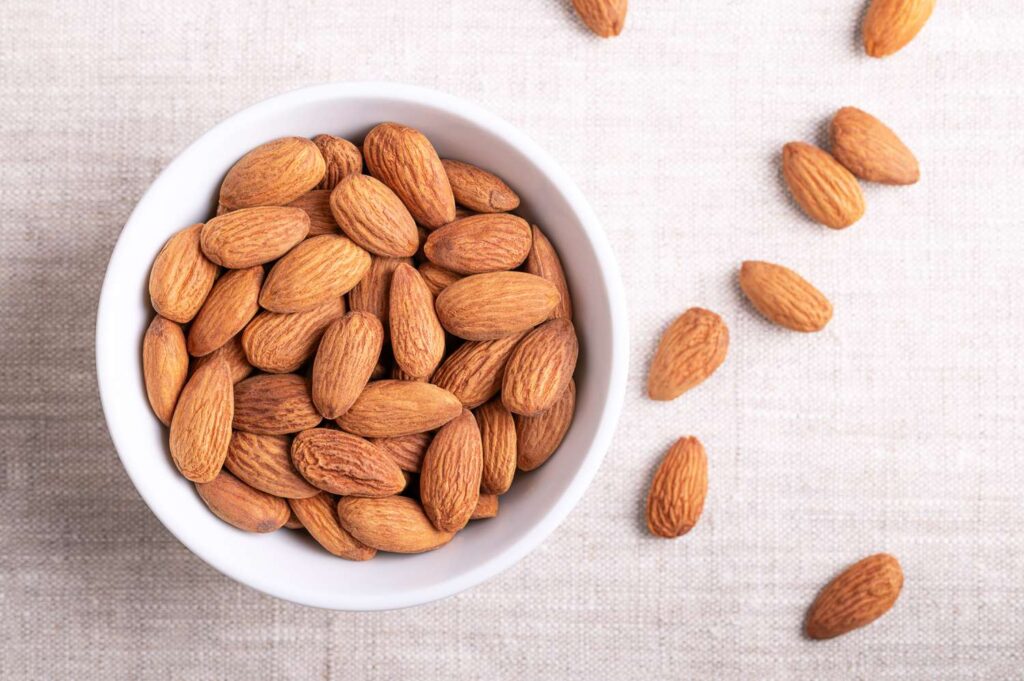
Almonds are a nutrient-dense snack packed with calcium, protein, and healthy fats. One ounce (about 23 almonds) contains 76 mg of calcium, making them an excellent addition to a calcium-rich diet.
Benefits:
- High in monounsaturated fats, which support heart health
- Provide magnesium and vitamin E, essential for bone and skin health
- Help with satiety and weight management due to protein and fiber
How to Eat Almonds:
- Snack on raw or roasted almonds
- Add to oatmeal, yogurt, or smoothies
- Use almond butter as a spread or in baking
Almonds are especially valuable for those avoiding dairy, providing a plant-based source of calcium and other bone-supporting nutrients.
3. Sardines
Sardines may not be everyone’s favorite, but they are one of the most calcium-rich foods available. One can of sardines (with bones) contains roughly 325 mg of calcium, significantly more than a cup of milk.
Benefits:
- Excellent source of omega-3 fatty acids, which support heart and brain health
- High in vitamin D, which aids calcium absorption
- Rich in protein, promoting muscle health
How to Eat Sardines:
- Add to salads or sandwiches
- Mix into pasta or grain bowls
- Enjoy as a snack with crackers
Sardines are ideal for those looking to boost calcium intake while also gaining other nutrients that support bone and cardiovascular health.
4. Tofu

Tofu is a plant-based protein that can be a surprisingly rich source of calcium, especially when made with calcium sulfate. Half a cup of firm tofu contains about 253 mg of calcium, making it a powerhouse for vegans and vegetarians.
Benefits:
- High in protein, supporting muscle and bone health
- Contains magnesium and iron, essential for energy and metabolism
- Versatile in both savory and sweet dishes
How to Eat Tofu:
- Stir-fry with vegetables and sauce
- Blend into smoothies or desserts
- Bake, grill, or scramble as a protein-packed meal
Calcium-fortified tofu is an excellent alternative to dairy, providing bone-strengthening minerals in a flexible, plant-based format.
5. Chia Seeds

Chia seeds may be tiny, but they pack a big nutritional punch. Just 2 tablespoons of chia seeds contain 179 mg of calcium, surpassing the calcium content of a cup of milk.
Benefits:
- High in fiber, supporting digestion and satiety
- Rich in omega-3 fatty acids, which reduce inflammation
- Contain magnesium, phosphorus, and manganese, all crucial for bone health
How to Eat Chia Seeds:
- Add to smoothies, yogurt, or oatmeal
- Make chia pudding with milk or plant-based milk
- Sprinkle over salads or baked goods
Chia seeds are an easy way to increase calcium intake while also boosting omega-3s and fiber in your diet.
6. White Beans
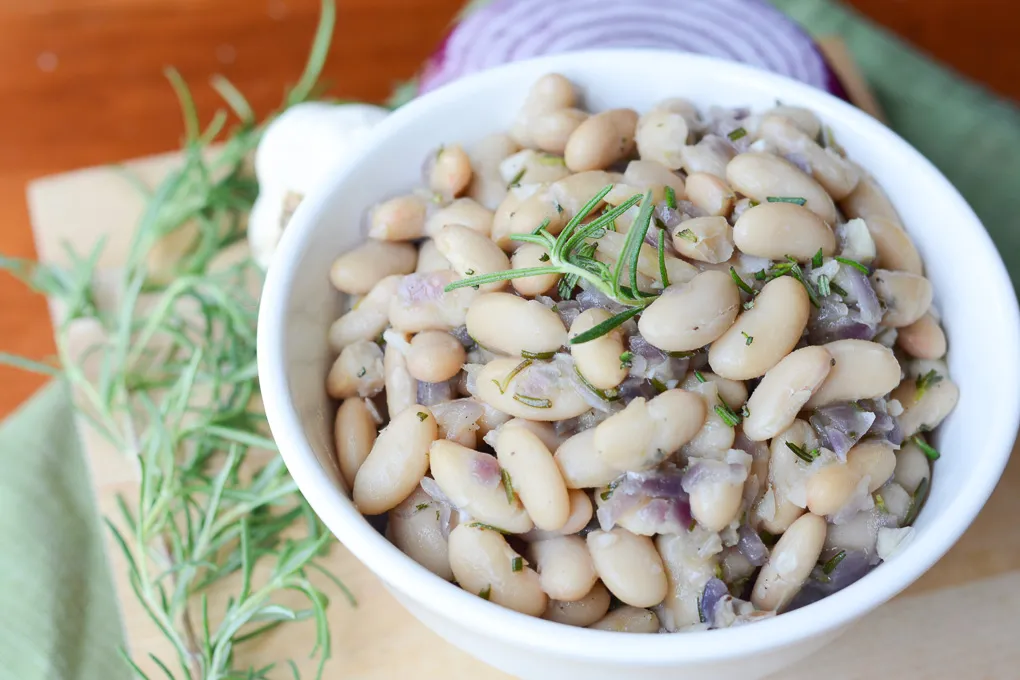
White beans, including navy and cannellini beans, are an often-overlooked source of calcium. One cup of cooked white beans provides about 161 mg of calcium, exceeding the calcium in milk.
Benefits:
- High in plant-based protein and fiber
- Contain magnesium, iron, and potassium, supporting overall bone and cardiovascular health
- Low in fat and versatile for a variety of dishes
How to Eat White Beans:
- Add to soups, stews, and chili
- Blend into dips like white bean hummus
- Toss into salads or pasta dishes
White beans are perfect for plant-based diets, providing calcium along with protein and fiber for overall wellness.
Tips for Maximizing Calcium Absorption
While incorporating calcium-rich foods is important, absorption is key, especially from plant-based sources:
- Pair with Vitamin D: Vitamin D enhances calcium absorption. Include foods like sardines, fortified plant-based milk, or exposure to sunlight.
- Limit Oxalates and Phytates: Foods like spinach and beet greens contain oxalates that can reduce calcium absorption, so diversify your calcium sources.
- Include Vitamin C: Enhances mineral absorption when eaten with calcium-rich foods.
- Balance with Magnesium and Phosphorus: These minerals work synergistically with calcium for strong bones.
- Spread Intake Throughout the Day: Your body absorbs calcium more efficiently in smaller doses across meals.
Why Diversifying Calcium Sources Matters
Relying solely on milk for calcium may not be suitable for everyone, especially for those who are lactose intolerant, vegan, or allergic to dairy. By including a variety of calcium-rich foods like kale, almonds, sardines, tofu, chia seeds, and white beans, you:
- Support bone health and reduce the risk of osteoporosis
- Gain additional nutrients like protein, fiber, magnesium, and omega-3s
- Enhance dietary variety for better overall health and culinary enjoyment
Who Should Focus on Calcium-Rich Foods?
Certain groups benefit especially from prioritizing calcium intake:
- Women over 50 and men over 70: To prevent age-related bone loss
- Pregnant and breastfeeding individuals: To support maternal and infant bone health
- Vegetarians and vegans: To ensure adequate calcium intake without dairy
- Athletes and active individuals: Calcium supports muscle contraction and bone strength
- Individuals with lactose intolerance: Alternative sources prevent deficiency
Conclusion: Milk Is Not the Only Source of Calcium
Milk is a convenient calcium source, but it is by no means the only or best option. Foods like kale, almonds, sardines, tofu, chia seeds, and white beans provide equal or higher calcium levels per serving, along with other vital nutrients.
Key Takeaways:
- Calcium is essential for bones, teeth, muscles, and nerves
- Several foods provide more calcium than milk, suitable for vegans, lactose-intolerant individuals, or those looking for variety
- Combining different calcium sources ensures optimal absorption and overall nutrition
- Pair calcium-rich foods with vitamin D, magnesium, and vitamin C for maximum benefit
By diversifying your diet with these calcium-rich foods, you can strengthen bones naturally, improve overall nutrient intake, and enjoy a variety of delicious, health-promoting meals.