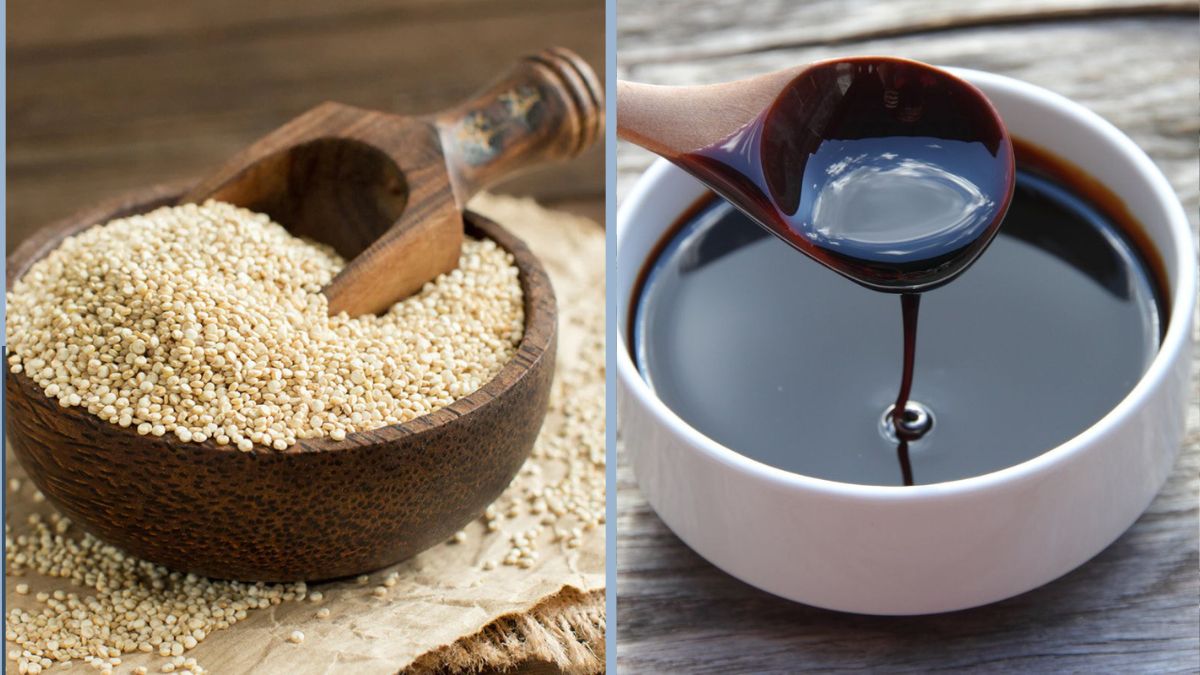
Spinach has long been celebrated as a top source of iron, largely due to its popularity in health circles and classic phrases like “Popeye’s favorite green.” While spinach is nutritious and contains some iron, it’s not the richest source. In fact, there are several foods that provide more iron per serving and can help boost your intake more effectively.
Iron is an essential mineral crucial for oxygen transport, energy production, and immune function. Adults typically need 8–18 mg of iron daily, depending on age, sex, and life stage. Incorporating iron-rich foods is especially important for vegetarians, pregnant individuals, and athletes.
Here’s a closer look at six foods with more iron than spinach, along with tips for maximizing absorption.
1. Lentils
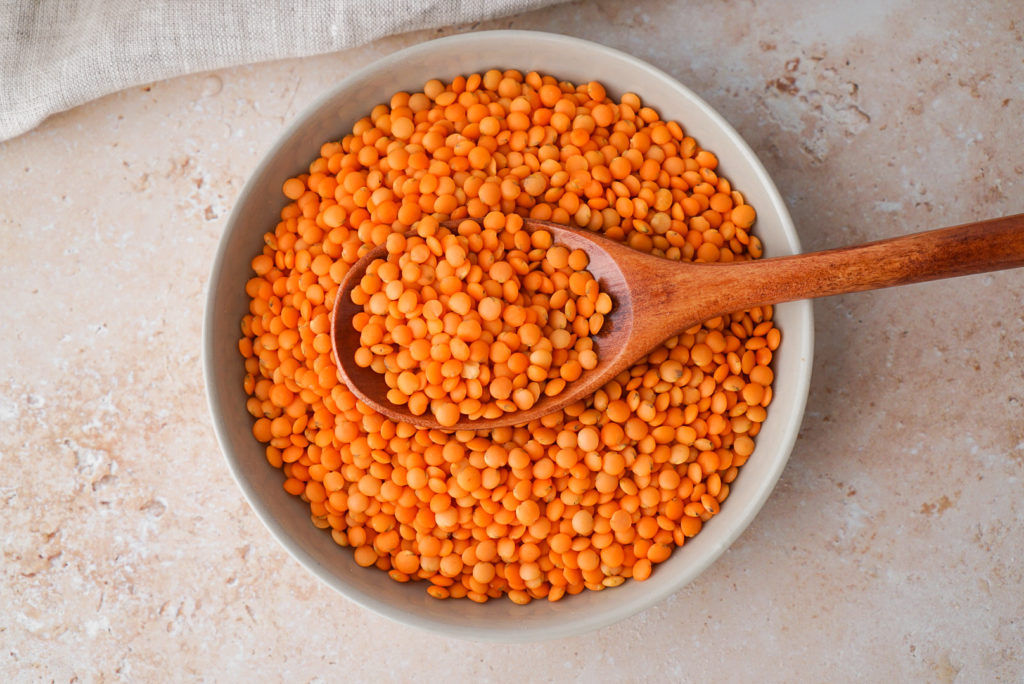
Lentils are a staple in plant-based diets and a powerhouse for iron. One cup of cooked lentils provides about 6.6 mg of iron, compared to spinach’s 6.4 mg per cooked cup.
Benefits:
- Rich in protein and fiber, supporting muscle health and digestion
- Low in fat and calories, making them ideal for weight management
- Contain folate, potassium, and magnesium, enhancing overall nutrient intake
How to Eat Lentils:
- Cook into soups or stews
- Add to salads for extra protein and iron
- Blend into veggie patties or curries
Tip: Pair lentils with vitamin C-rich foods like bell peppers or tomatoes to improve non-heme iron absorption.
2. Chickpeas
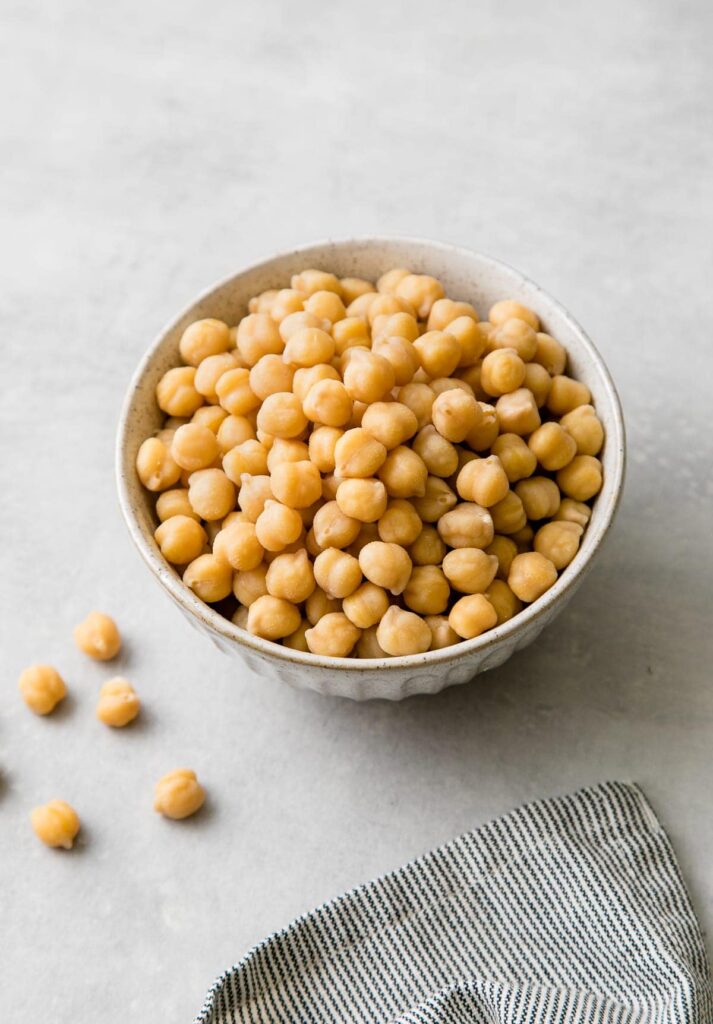
Chickpeas, also known as garbanzo beans, are another iron-rich legume. One cup of cooked chickpeas provides around 4.7 mg of iron, slightly less than lentils but still higher than the iron content in raw spinach (2.7 mg per cup).
Benefits:
- High in protein and fiber, promoting satiety
- Contain magnesium, phosphorus, and folate, supporting bone and cellular health
- Versatile in both savory and sweet dishes
How to Eat Chickpeas:
- Make hummus or falafel
- Toss into salads or grain bowls
- Roast for a crunchy snack
Chickpeas are a great addition to a plant-based iron-boosting meal, especially when paired with citrus or tomatoes.
3. Quinoa
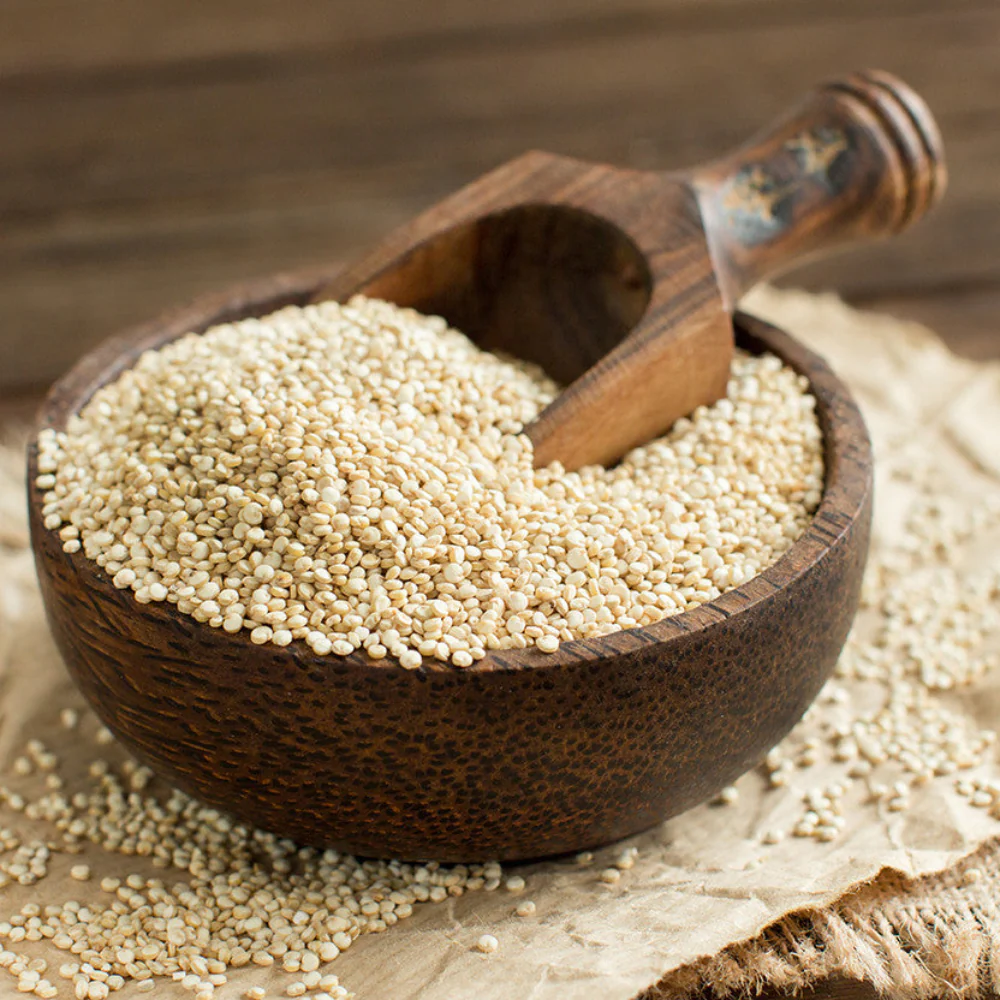
Quinoa is a gluten-free grain and a complete protein, making it a top choice for vegetarians and vegans. One cup of cooked quinoa contains about 2.8 mg of iron, surpassing raw spinach and rivaling cooked spinach.
Benefits:
- Complete protein with all nine essential amino acids
- High in fiber and magnesium, supporting digestion and heart health
- Contains antioxidants such as quercetin and kaempferol
How to Eat Quinoa:
- Use as a base for grain bowls or salads
- Substitute for rice in stir-fries and side dishes
- Make breakfast porridge with fruit and nuts
Quinoa is a versatile and nutrient-dense option that supports iron intake and overall protein needs.
4. Pumpkin Seeds
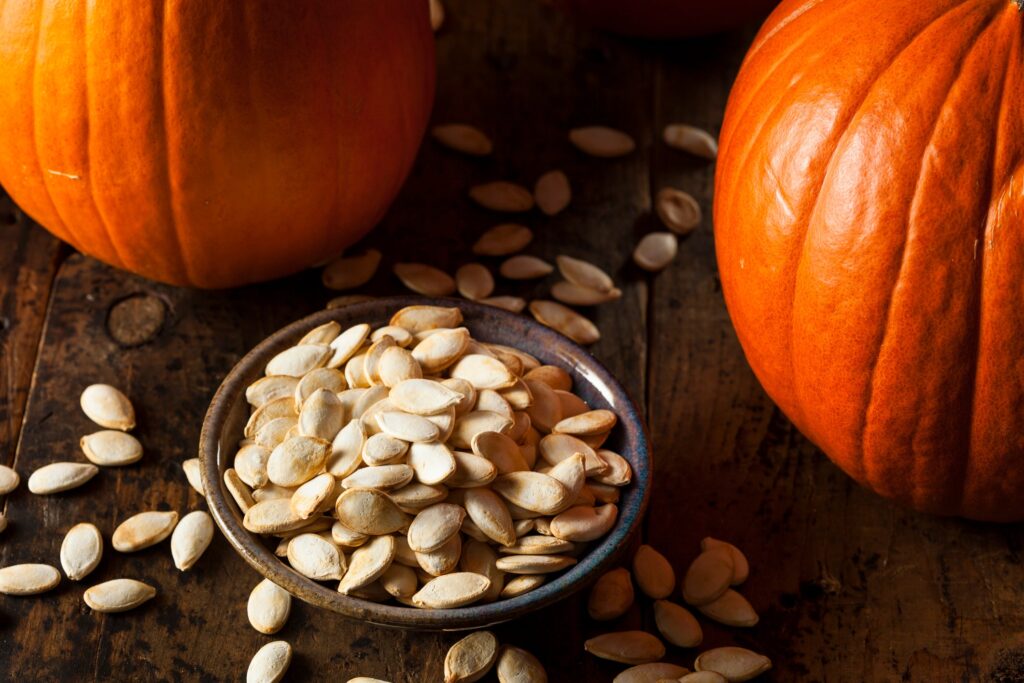
Pumpkin seeds, or pepitas, are small but mighty when it comes to iron content. Just 1 ounce (28 grams) provides about 2.3 mg of iron, making them an easy snack or salad topping for an iron boost.
Benefits:
- High in magnesium, zinc, and healthy fats
- Antioxidant-rich, supporting cellular health
- Promote heart and bone health
How to Eat Pumpkin Seeds:
- Sprinkle on salads or yogurt bowls
- Add to granola or oatmeal
- Enjoy roasted as a crunchy snack
Pairing pumpkin seeds with vitamin C-rich foods like citrus or berries enhances iron absorption.
5. Tofu
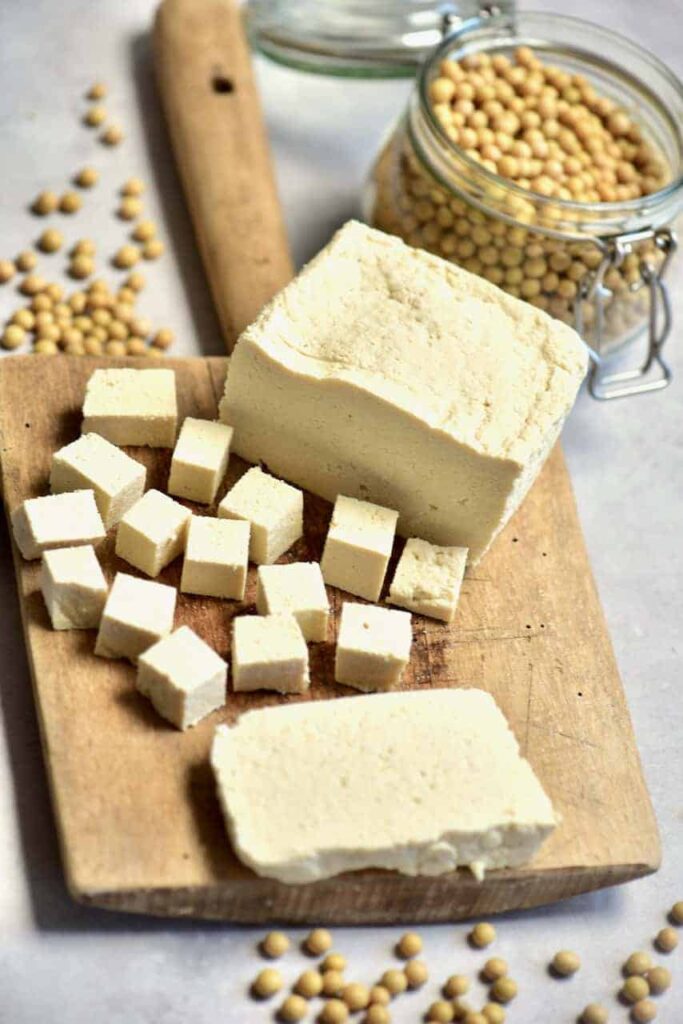
Tofu, a soy-based protein, is another excellent source of iron. A half-cup of firm tofu contains about 3 mg of iron, more than a comparable serving of cooked spinach.
Benefits:
- High in plant-based protein, ideal for vegetarians and vegans
- Contains calcium and magnesium, supporting bone health
- Versatile in both savory and sweet dishes
How to Eat Tofu:
- Stir-fry with vegetables and soy sauce
- Blend into smoothies or desserts for creaminess
- Grill or bake as a main protein source
Tofu is a great way to boost iron intake while enjoying a flexible, high-protein food.
6. Blackstrap Molasses
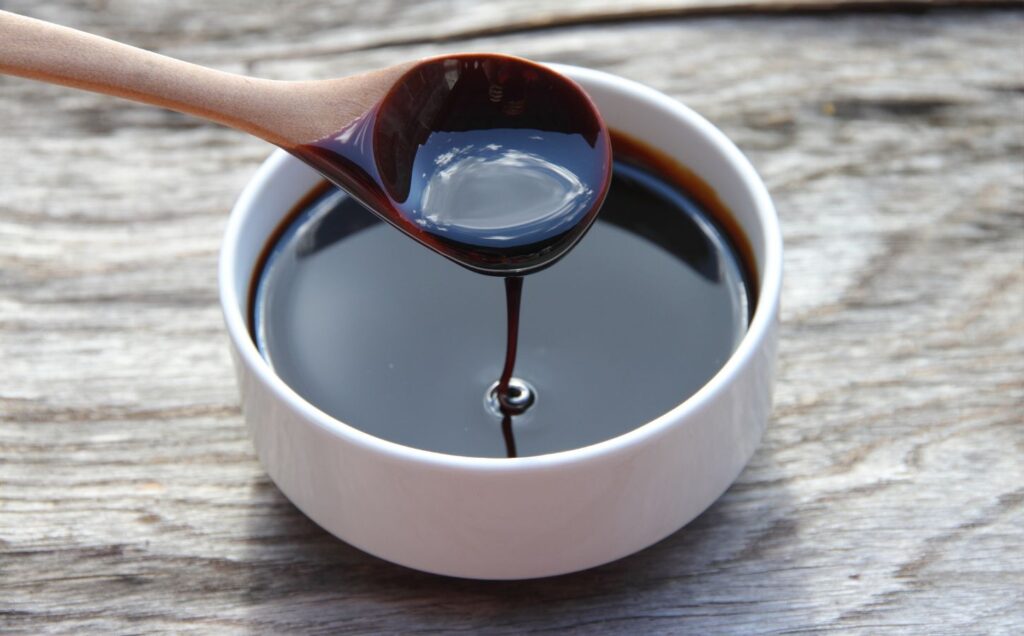
Blackstrap molasses is a byproduct of sugarcane processing, and while sweet, it is loaded with minerals, including iron. Just 1 tablespoon provides 3.5 mg of iron, more than spinach and many other plant-based sources.
Benefits:
- Rich in calcium, potassium, and magnesium
- Supports energy production and hemoglobin formation
- Antioxidant-rich
How to Eat Blackstrap Molasses:
- Stir into oatmeal or smoothies
- Use in baked goods or marinades
- Mix with warm water or milk for a nutrient-dense drink
Despite its sweetness, blackstrap molasses can be a powerful, nutrient-dense iron supplement when used in moderation.
Tips to Maximize Iron Absorption
While incorporating iron-rich foods is essential, absorption matters, especially for non-heme iron from plant sources:
- Pair with Vitamin C: Foods like bell peppers, oranges, strawberries, and tomatoes enhance absorption.
- Avoid Inhibitors Around Meals: Tea, coffee, and foods high in calcium can reduce iron absorption.
- Cook Lightly: Some cooking methods, like steaming or sautéing, preserve more iron than boiling.
- Diversify Sources: Include both legumes, grains, seeds, and vegetables to ensure consistent intake.
- Mind Your Portions: Eating a variety of iron-rich foods across meals helps maintain healthy iron levels.
Why Spinach Isn’t the Iron King
Spinach contains iron, but much of it is non-heme iron, which is less efficiently absorbed by the body than heme iron from animal sources. Additionally, spinach contains oxalates, compounds that bind iron and reduce absorption.
Bottom line: While spinach is healthy and nutrient-rich, relying solely on it for iron may not be sufficient, especially for individuals with higher needs.
Who Needs to Focus on Iron-Rich Foods?
Certain groups should pay particular attention to iron intake:
- Women of childbearing age: Due to menstruation-related iron loss
- Pregnant individuals: Increased iron supports fetal growth
- Vegetarians and vegans: Plant-based iron requires pairing with vitamin C for absorption
- Athletes: Intense exercise can increase iron needs
- Individuals with anemia: May need iron-rich foods to restore healthy levels
Incorporating the six foods listed above — lentils, chickpeas, quinoa, pumpkin seeds, tofu, and blackstrap molasses — can help meet daily iron needs more effectively than spinach alone.
Conclusion: Diversify Your Iron Sources
Spinach is nutritious and a valuable part of a balanced diet, but it’s not the highest iron source. By including a variety of foods such as lentils, chickpeas, quinoa, pumpkin seeds, tofu, and blackstrap molasses, you can:
- Boost iron intake
- Support energy levels and hemoglobin production
- Enhance immune function
Key Takeaways:
- Iron is essential for oxygen transport, energy, and immunity.
- Plant-based foods contain non-heme iron, which is less readily absorbed than heme iron. Pairing with vitamin C improves absorption.
- Lentils, chickpeas, quinoa, pumpkin seeds, tofu, and blackstrap molasses provide more iron per serving than spinach.
- Diversifying iron sources ensures you meet daily requirements without relying solely on one food.
Incorporating these iron-rich foods into your daily meals is a delicious and effective strategy to maintain healthy iron levels and overall wellness.