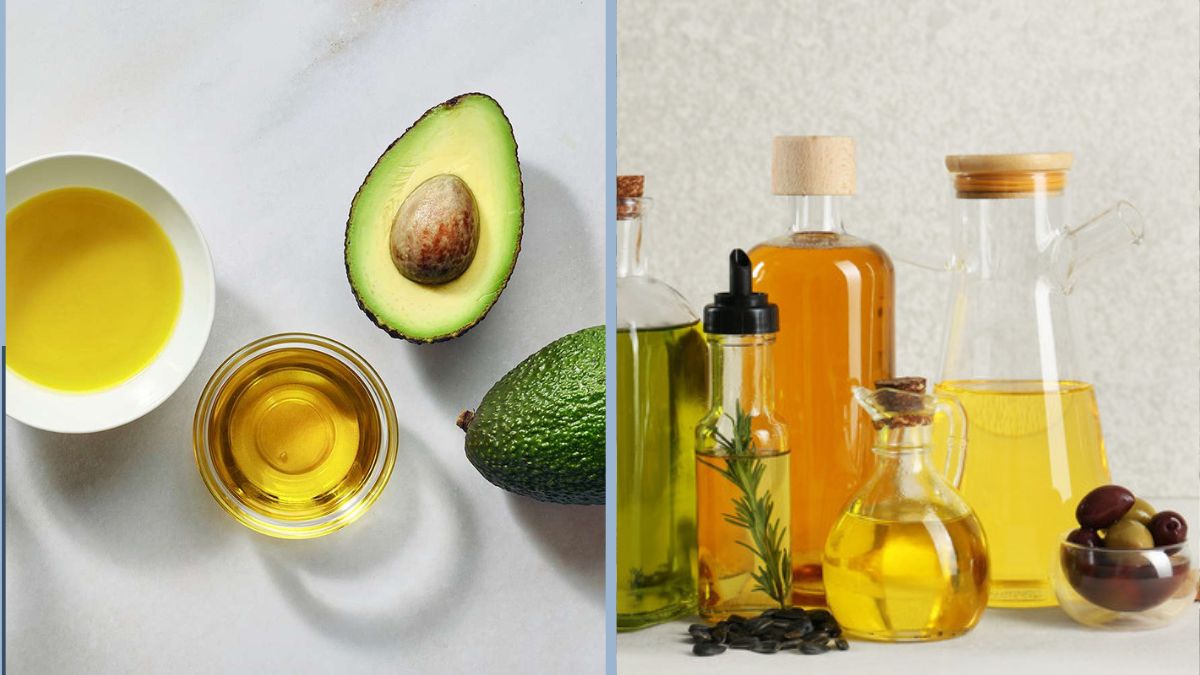
Oils are a cornerstone of a healthy diet, providing flavor, texture, and essential nutrients. Among the many options available, avocado oil and olive oil stand out as two of the most popular choices. Both are rich in heart-healthy fats and versatile in cooking, but when it comes to nutrition, smoke points, and health benefits, which one should you reach for in your kitchen?
Let’s break down the differences, benefits, and best uses of avocado oil and olive oil to help you make the healthiest choice.
Avocado Oil vs. Olive Oil: Origins and Composition
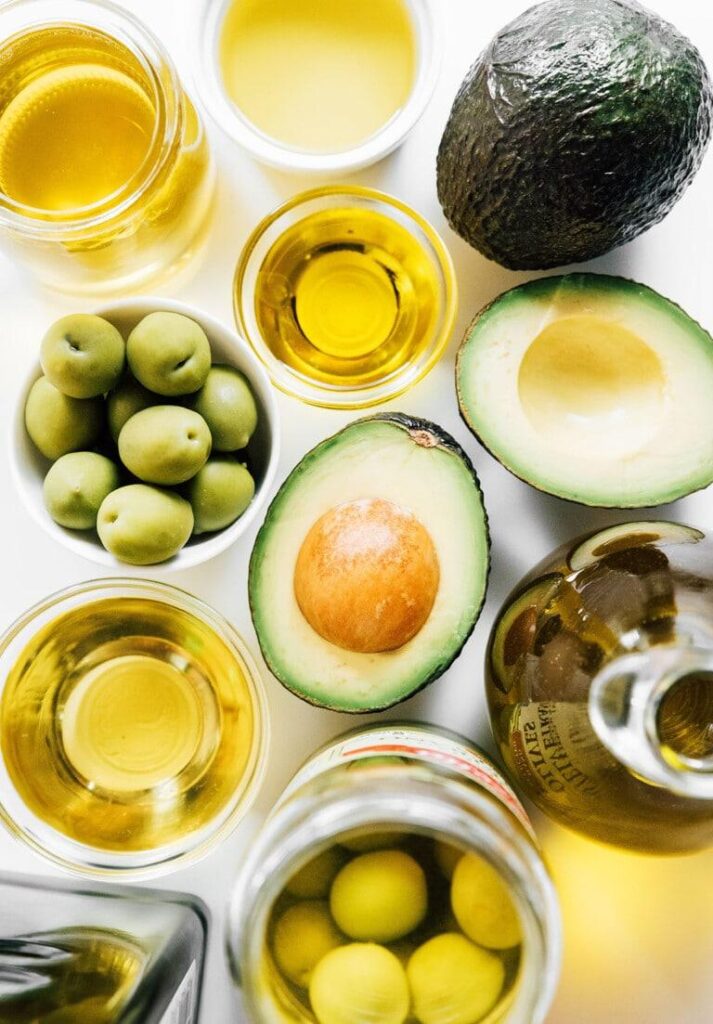
Avocado Oil
Avocado oil is extracted from the flesh of the avocado fruit, unlike most vegetable oils, which come from seeds. Its mild, buttery flavor and light green color make it a versatile cooking oil.
Nutritionally, avocado oil is rich in monounsaturated fats, particularly oleic acid, which supports heart health and may reduce inflammation. It also contains vitamin E, an antioxidant that protects cells from oxidative stress.
Olive Oil
Olive oil, a staple of the Mediterranean diet, is derived from pressed olives. Extra virgin olive oil (EVOO) is unrefined, retaining the highest levels of antioxidants, polyphenols, and vitamins.
Olive oil is also high in monounsaturated fats, mainly oleic acid, and contains polyphenols that provide anti-inflammatory and heart-protective effects.
“Both avocado oil and olive oil are healthy fats that can be part of a balanced diet,” notes Amy Shapiro, MS, RD, founder of Real Nutrition NYC. “Your choice depends on cooking needs and flavor preference.”
Nutritional Comparison
Here’s a look at the nutrient profile per 1 tablespoon (14g) of each oil:
| Nutrient | Avocado Oil | Olive Oil (Extra Virgin) |
|---|---|---|
| Calories | 124 | 119 |
| Total Fat | 14g | 14g |
| Saturated Fat | 2g | 2g |
| Monounsaturated Fat | 10g | 10g |
| Polyunsaturated Fat | 2g | 1.5g |
| Vitamin E | 2mg (10% DV) | 1.9mg (10% DV) |
| Vitamin K | 1µg (1% DV) | 8µg (10% DV) |
| Antioxidants | Moderate | High (especially EVOO) |
Key takeaways:
- Both oils are rich in heart-healthy monounsaturated fats.
- Olive oil (especially extra virgin) has higher antioxidant content.
- Avocado oil contains slightly more vitamin E and is more neutral in flavor, making it versatile for cooking.
Smoke Point: Cooking Considerations
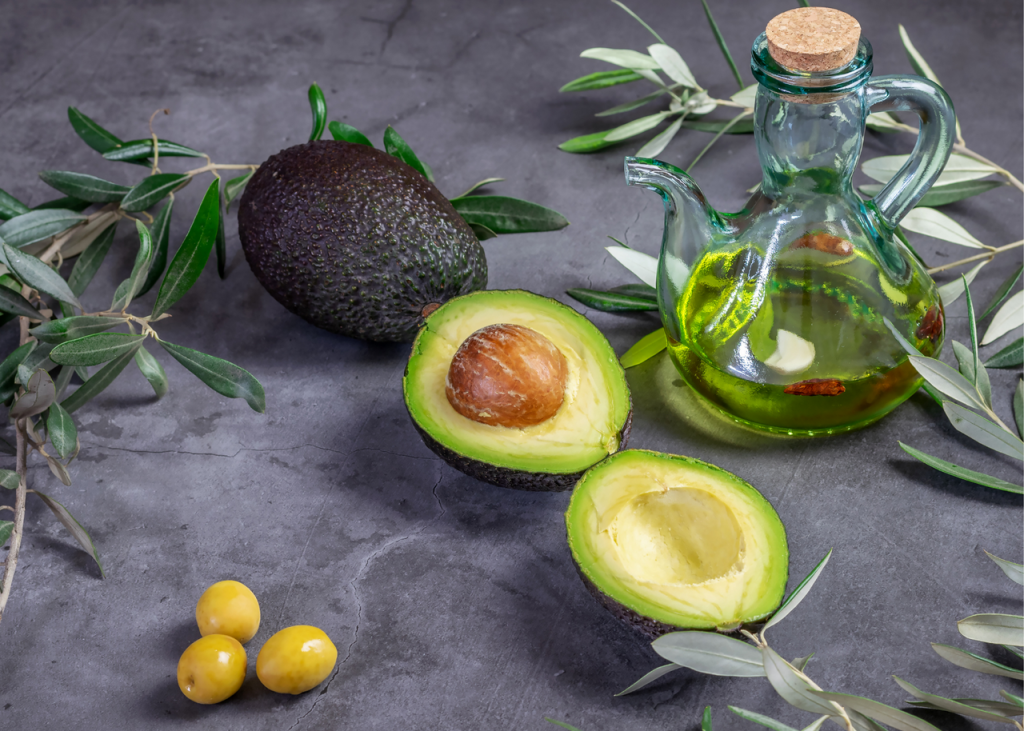
One major difference between the two oils is smoke point, the temperature at which oil begins to break down and produce harmful compounds.
- Avocado oil: Smoke point of ~520°F (271°C) for refined oil.
- Olive oil: Smoke point of ~375–410°F (190–210°C) for extra virgin olive oil, and ~465°F (240°C) for refined olive oil.
Implication: Avocado oil is better suited for high-heat cooking like frying, searing, or roasting, while EVOO is ideal for low to medium-heat cooking and drizzling over salads or finishing dishes.
Health Benefits: Avocado Oil vs. Olive Oil
Both oils offer impressive health benefits, but their strengths vary slightly.
Avocado Oil Benefits
- Heart Health: High monounsaturated fat content supports healthy cholesterol levels and reduces the risk of heart disease.
- Anti-Inflammatory: Oleic acid may reduce inflammation, potentially lowering chronic disease risk.
- Vitamin E Boost: Antioxidant-rich vitamin E helps protect skin, eyes, and immune function.
- Skin and Hair Care: Topical application of avocado oil moisturizes and protects the skin, thanks to fatty acids and vitamins.
Olive Oil Benefits
- Cardiovascular Protection: Numerous studies link EVOO to lower LDL cholesterol, higher HDL cholesterol, and reduced heart disease risk.
- Rich in Polyphenols: Anti-inflammatory and antioxidant compounds in EVOO may protect against chronic diseases like cancer, diabetes, and neurodegenerative conditions.
- Blood Sugar Regulation: EVOO may improve insulin sensitivity and help manage type 2 diabetes.
- Brain Health: Polyphenols support cognitive function and may reduce inflammation in the brain.
“Extra virgin olive oil is particularly potent because it’s minimally processed and retains bioactive compounds,” says Dr. Lisa Young, PhD, RD, nutritionist and author of Finally Full, Finally Slim.
Flavor Profile and Culinary Uses
Avocado Oil
- Flavor: Mild, buttery, and neutral
- Best for: High-heat cooking, frying, baking, salad dressings, smoothies, and as a base for sauces.
- Versatility: Its neutral taste makes it a great substitute for any vegetable or canola oil in recipes.
Olive Oil
- Flavor: Fruity, peppery, and slightly bitter (especially EVOO)
- Best for: Salad dressings, drizzling over roasted vegetables, finishing pasta dishes, and low- to medium-heat sautéing.
- Versatility: Adds a distinctive flavor profile to Mediterranean and Italian dishes; less neutral than avocado oil.
Extra Considerations
- Refinement Matters:
- Refined avocado oil has a higher smoke point but lower antioxidants.
- Extra virgin olive oil retains more polyphenols but has a lower smoke point.
- Storage:
- Both oils should be stored in cool, dark places to prevent oxidation.
- Olive oil is more sensitive to light and heat than avocado oil.
- Cost:
- EVOO can be more expensive than avocado oil.
- Price may influence your choice for everyday cooking.
Which Oil Should You Use?
For High-Heat Cooking
- Winner: Avocado Oil
Its high smoke point makes it ideal for frying, searing, and roasting without breaking down into harmful compounds.
For Cold Applications
- Winner: Olive Oil (EVOO)
Drizzle it over salads, use in dressings, or finish dishes for its rich flavor and antioxidant benefits.
For Health Benefits
- Extra Virgin Olive Oil edges out slightly due to its high polyphenol content, which has been extensively studied for heart, brain, and anti-inflammatory benefits.
For Neutral Flavor
- Avocado Oil is the go-to option when you want healthy fat without altering the taste of your dish.
Incorporating Both Oils in Your Diet
Why choose just one? Many nutritionists recommend rotating oils to maximize benefits:
- Use avocado oil for roasting vegetables, stir-frying, or baking.
- Use EVOO for salad dressings, finishing sauces, and drizzling over dishes.
- Both oils contribute monounsaturated fats, which are essential for heart health and satiety.
“It’s not about picking one over the other — it’s about using them strategically for flavor, cooking method, and nutrition,” says Maggie Michalczyk, RD.
Tips for Choosing Quality Oils
- Look for “Cold-Pressed” or “Extra Virgin” Labels: Indicates minimal processing and higher nutrient retention.
- Check the Source: Choose reputable brands with traceable sourcing for purity.
- Avoid Blends: Some oils labeled as avocado or olive oil are mixed with cheaper seed oils.
- Store Properly: Keep in dark, airtight containers away from heat to prevent oxidation.
The Verdict: Which Oil Is Best?
It depends on your needs:
- High-heat cooking: Avocado oil
- Cold applications & finishing dishes: Extra virgin olive oil
- Flavor-neutral options: Avocado oil
- Maximum health benefits: Extra virgin olive oil
Ultimately, both oils are heart-healthy, nutrient-rich options far superior to butter or refined vegetable oils. Using them appropriately can enhance your meals while supporting overall wellness.
Key Takeaways
- Both avocado oil and olive oil are rich in monounsaturated fats, supporting heart health and satiety.
- Avocado oil has a higher smoke point, making it ideal for frying, roasting, and high-heat cooking.
- Extra virgin olive oil is higher in antioxidants and polyphenols, ideal for raw or low-heat applications.
- Both oils provide vitamins, antioxidants, and anti-inflammatory compounds.
- Best strategy: Rotate oils depending on cooking method, flavor preference, and health goals.
By understanding the strengths of each oil, you can make an informed choice that enhances your diet, supports heart health, and elevates the flavor of your meals.