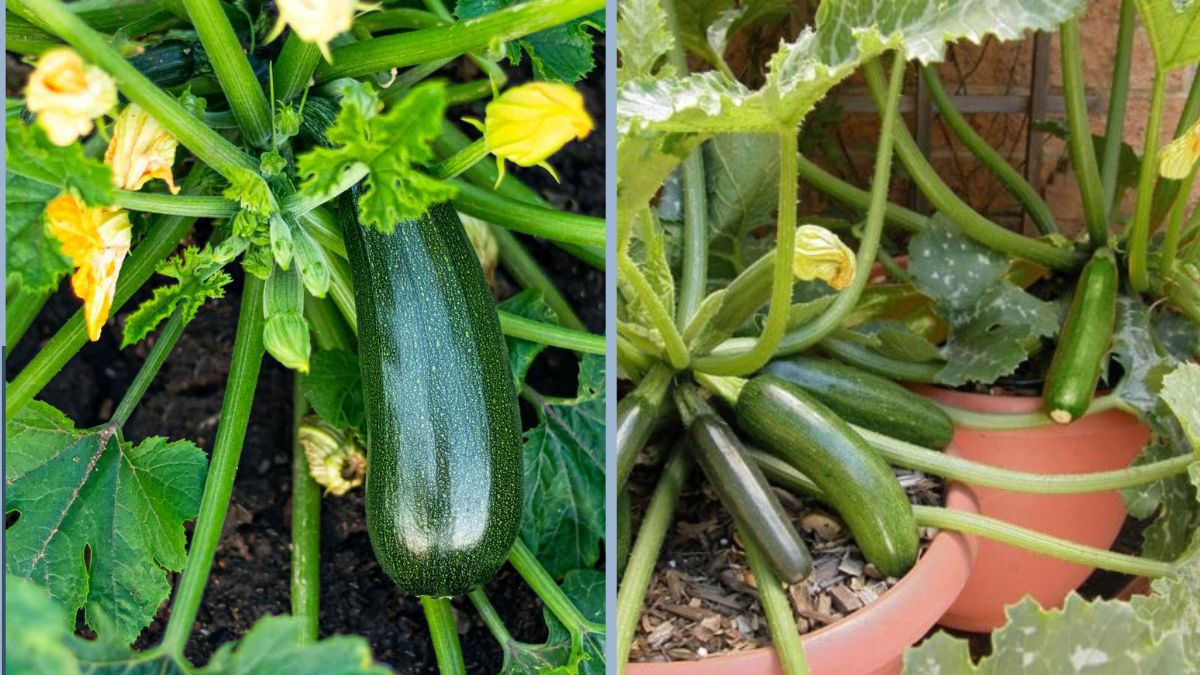
Zucchini is a summer favorite that’s versatile, productive, and easy to grow. From savory sautés and baked goods to refreshing salads, zucchini adds nutrition and flavor to any meal. But what if you don’t have a backyard garden? Can you still grow zucchini in containers?
The answer is yes! With the right containers, soil, watering, and care, zucchini can thrive in pots, patios, and small spaces. Growing zucchini in containers is perfect for urban gardeners, balcony enthusiasts, and beginners who want a convenient and rewarding way to enjoy fresh homegrown vegetables.
In this guide, we’ll walk you through how to grow zucchini in containers, from choosing the right variety to harvesting your first summer squash.
Why Grow Zucchini in Containers?
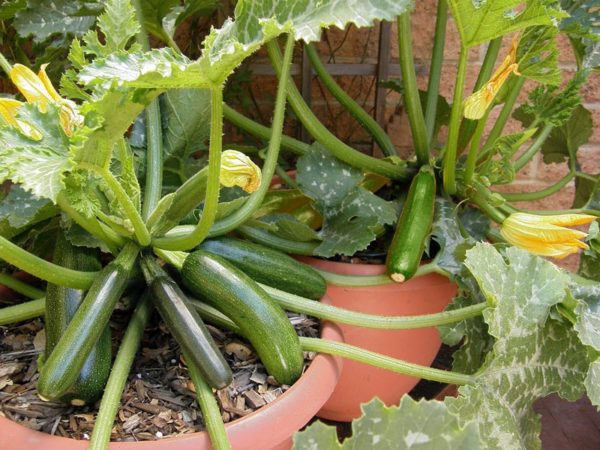
Container gardening offers several advantages for growing zucchini:
- Space-saving: Ideal for patios, balconies, and small yards.
- Soil control: Prevents issues with poor garden soil.
- Mobility: Move containers for optimal sunlight or to protect from pests.
- Easy maintenance: Less weeding, easier watering, and simpler care.
- Quick harvest: Zucchini grows fast, often ready to harvest in 45–60 days.
Container zucchini gardening is both practical and productive, even for small-space gardeners.
Choosing the Right Zucchini Variety
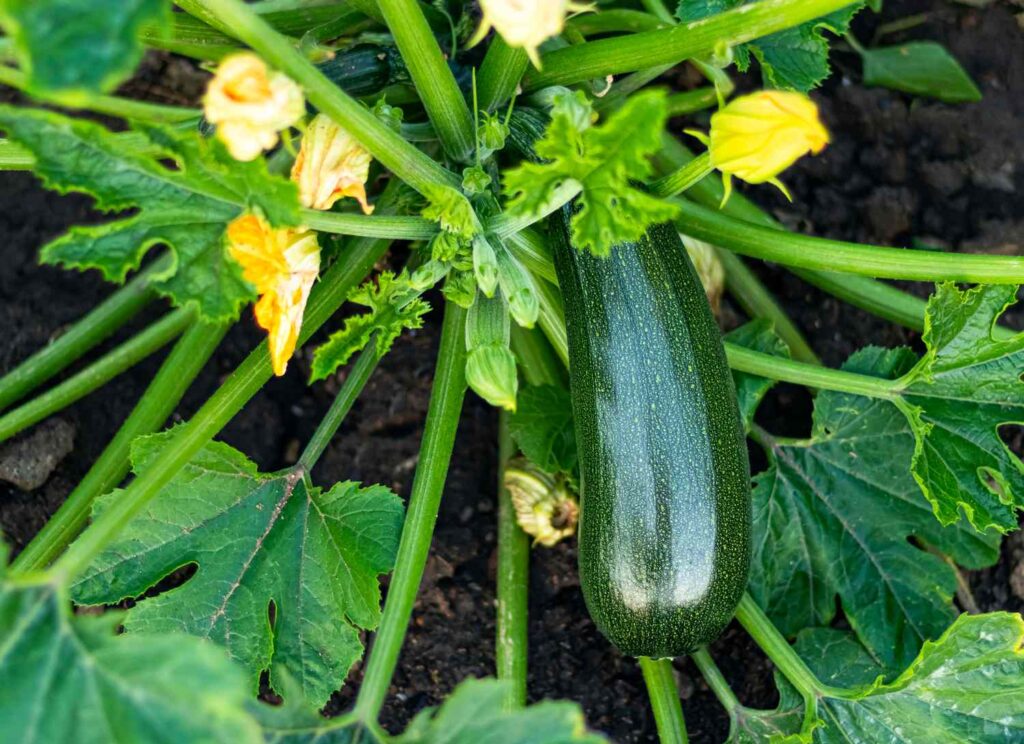
Not all zucchini varieties are suitable for containers. Selecting compact or bush-type varieties ensures better growth and easier management.
Recommended Container-Friendly Varieties
- ‘Bush Baby’ – Small, bushy plant; ideal for pots.
- ‘Raven’ – Compact variety with dark green fruits.
- ‘Black Beauty’ – Classic zucchini; performs well in containers.
- ‘Patio Star’ – Perfect for small spaces; prolific fruiting.
- ‘Eight Ball’ – Round zucchini; compact and decorative.
Tip: Look for “bush” or “compact” varieties rather than sprawling vining types for container planting.
Selecting the Right Container
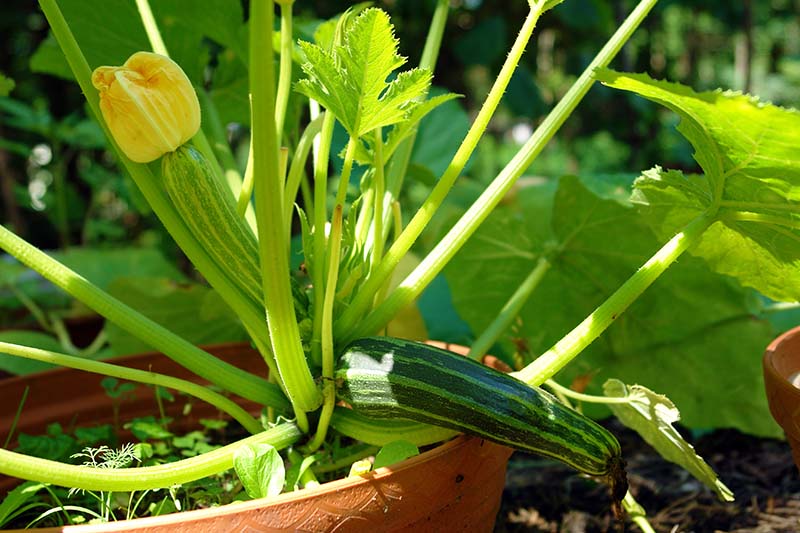
Container choice is crucial for zucchini success. These plants have vigorous root systems and need space to thrive.
Container Requirements
- Size: At least 15–20 gallons for a single plant. Larger containers produce bigger yields.
- Depth: Minimum 12–18 inches for healthy root growth.
- Material: Plastic, fabric grow bags, or large ceramic pots. Fabric bags improve drainage and prevent root circling.
- Drainage: Ensure multiple holes for excess water to escape.
Proper container selection sets the stage for healthy, productive zucchini plants.
Soil Preparation for Container Zucchini
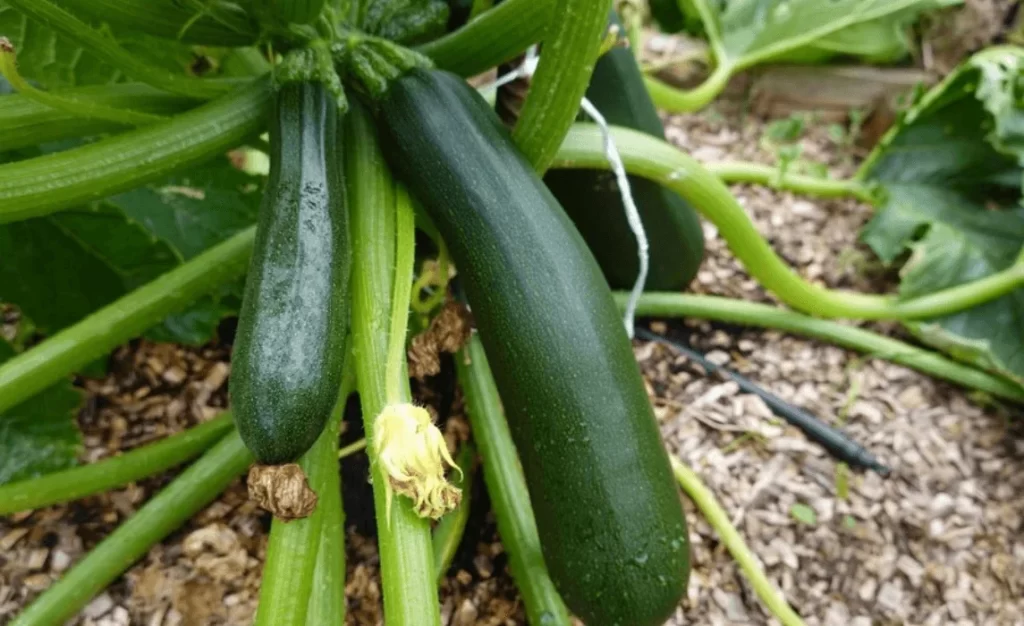
Healthy soil is essential for zucchini growth. Container-grown zucchini thrives in fertile, well-draining, nutrient-rich soil.
Ideal Soil Mix
- High-quality potting mix: Avoid garden soil, which can compact.
- Compost: Add 1/3 compost for nutrients and soil structure.
- Optional: Perlite or vermiculite for aeration and drainage.
Fertilizing
- Incorporate balanced, slow-release fertilizer into the soil at planting.
- Side-dress with liquid fertilizer every 2–3 weeks for vigorous growth.
Well-prepared soil ensures strong stems, large leaves, and abundant fruit production.
Planting Zucchini in Containers
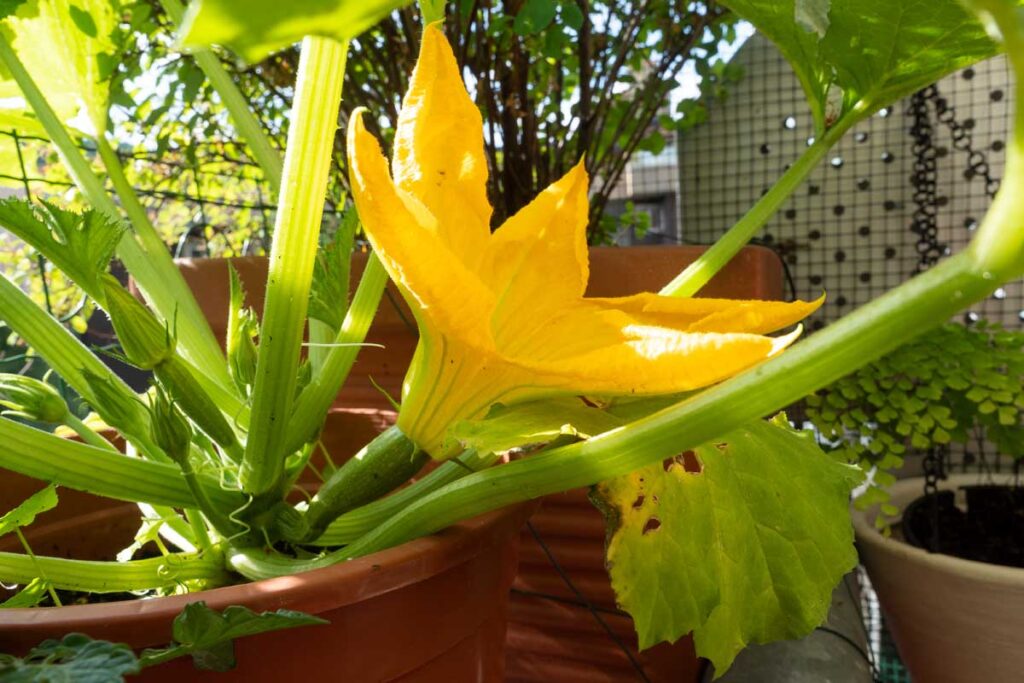
Zucchini can be grown from seeds or young transplants.
Step 1: Planting Seeds
- Sow 2–3 seeds per container, 1 inch deep.
- Once seedlings develop 2–3 true leaves, thin to the strongest plant.
Step 2: Using Transplants
- Fill the container with prepared soil.
- Dig a small hole and place the young plant, firming the soil gently around the roots.
- Water immediately to settle the soil.
Step 3: Placement
- Place containers in full sun — at least 6–8 hours daily.
- Rotate containers occasionally to ensure even sunlight exposure.
Caring for Container Zucchini
1. Watering
- Zucchini requires consistent moisture, especially during flowering and fruit development.
- Water deeply when the top inch of soil is dry.
- Avoid wetting leaves excessively to prevent fungal diseases.
2. Fertilizing
- Zucchini is a heavy feeder.
- Use a balanced fertilizer or liquid compost every 2–3 weeks.
- Reduce nitrogen once flowers appear to encourage fruit formation rather than excessive leafy growth.
3. Supporting Plants
- Some zucchini plants may benefit from staking or cages, especially if fruit becomes heavy.
- Bush varieties often do well without support, but vertical guidance can save space and improve airflow.
4. Mulching
- Apply a thin layer of straw or shredded leaves to retain soil moisture and regulate temperature.
Pollination for Container Zucchini
Zucchini produces male and female flowers. Proper pollination ensures fruit development.
Pollination Tips
- Hand pollination: Use a small paintbrush to transfer pollen from male to female flowers if pollinators are scarce.
- Identify flowers: Male flowers have long stems; female flowers have a small bulb at the base (the future fruit).
- Encourage pollinators: Bees and butterflies help naturally pollinate zucchini outdoors.
Proper pollination leads to healthy, well-formed zucchinis.
Pest and Disease Management
Container zucchini is relatively resilient but can face common issues.
Common Pests
- Squash bugs: Remove by hand or use insecticidal soap.
- Aphids: Spray with water or neem oil.
- Cucumber beetles: Trap or handpick to prevent damage.
Common Diseases
- Powdery mildew: Avoid overhead watering; provide air circulation.
- Blossom end rot: Maintain consistent soil moisture and avoid calcium deficiency.
- Fungal infections: Ensure well-draining soil and space plants for airflow.
Vigilance and proper care prevent most container-grown zucchini problems.
Harvesting Zucchini
Zucchini grows quickly, often producing fruit 40–60 days after planting.
Step 1: When to Harvest
- Harvest small to medium zucchinis (6–8 inches) for the best flavor and tenderness.
- Larger zucchinis can be tough and less flavorful.
Step 2: How to Harvest
- Use a sharp knife or scissors to cut the fruit from the stem.
- Avoid pulling or twisting, which can damage the plant.
Step 3: Continuous Harvest
- Regular harvesting encourages the plant to produce more fruits.
- Container zucchini can yield consistently throughout the growing season with proper care.
Tips for Maximizing Zucchini Yield in Containers
- Choose compact varieties for small spaces.
- Provide consistent sunlight — at least 6–8 hours per day.
- Keep soil consistently moist to prevent stress and improve fruit quality.
- Fertilize regularly to support heavy feeding needs.
- Harvest frequently to encourage continuous fruit production.
- Ensure proper pollination for abundant zucchini formation.
With these tips, your container zucchini plants can produce more fruits than you might expect from limited space.
Creative Container Zucchini Garden Ideas
- Tiered pots: Place multiple containers on different levels for space efficiency.
- Large decorative pots: Combine zucchini with companion plants like marigolds or herbs.
- Balcony gardens: Use fabric grow bags for flexibility and mobility.
- Patio planters: Large rectangular planters accommodate 2–3 bush zucchini plants.
Even small spaces can produce a bountiful, productive zucchini harvest with creative container setups.
Final Thoughts
Growing zucchini in containers is a practical, rewarding, and space-efficient method for gardeners of all levels. With the right varieties, containers, soil preparation, watering, and care, even small spaces can yield a plentiful harvest of fresh summer squash.
From bushy compact plants to balcony-friendly grow bags, container zucchini gardening allows you to enjoy homegrown vegetables without a large garden plot. Regular care, proper pollination, and consistent harvesting ensure healthy, delicious zucchinis all season long.
Whether you’re a beginner or an experienced gardener, container-grown zucchini proves that small spaces can yield big results — making fresh, homegrown vegetables accessible for everyone.