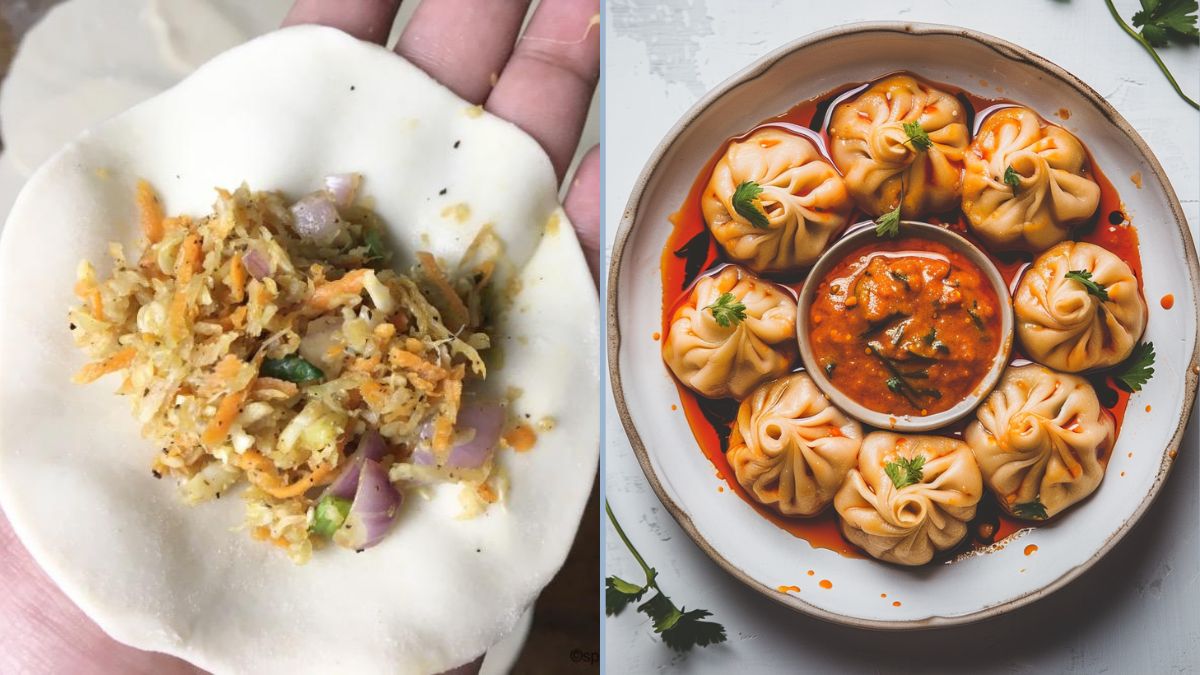
Momos, a cherished delicacy from the Himalayan region, have evolved far beyond their Tibetan and Nepali origins. Traditionally steamed dumplings with meat or vegetables, momos are now embraced globally, thanks to their soft texture, flavorful fillings, and versatility. Among these innovations, Veg Momos with Schezwan Filling stand out as a perfect fusion of Himalayan tradition and Indo-Chinese flavors.
The Schezwan variant introduces a fiery, tangy, and aromatic profile to the classic vegetarian filling, offering an exciting culinary experience. This adaptation reflects not only the creativity of modern chefs but also the growing demand for vegetarian, plant-based dishes with bold flavors.
This article presents a detailed 8-step recipe for Veg Momos with Schezwan Filling, exploring ingredient selection, preparation techniques, nutritional value, and cultural significance.
1. The Cultural and Culinary Context of Momos
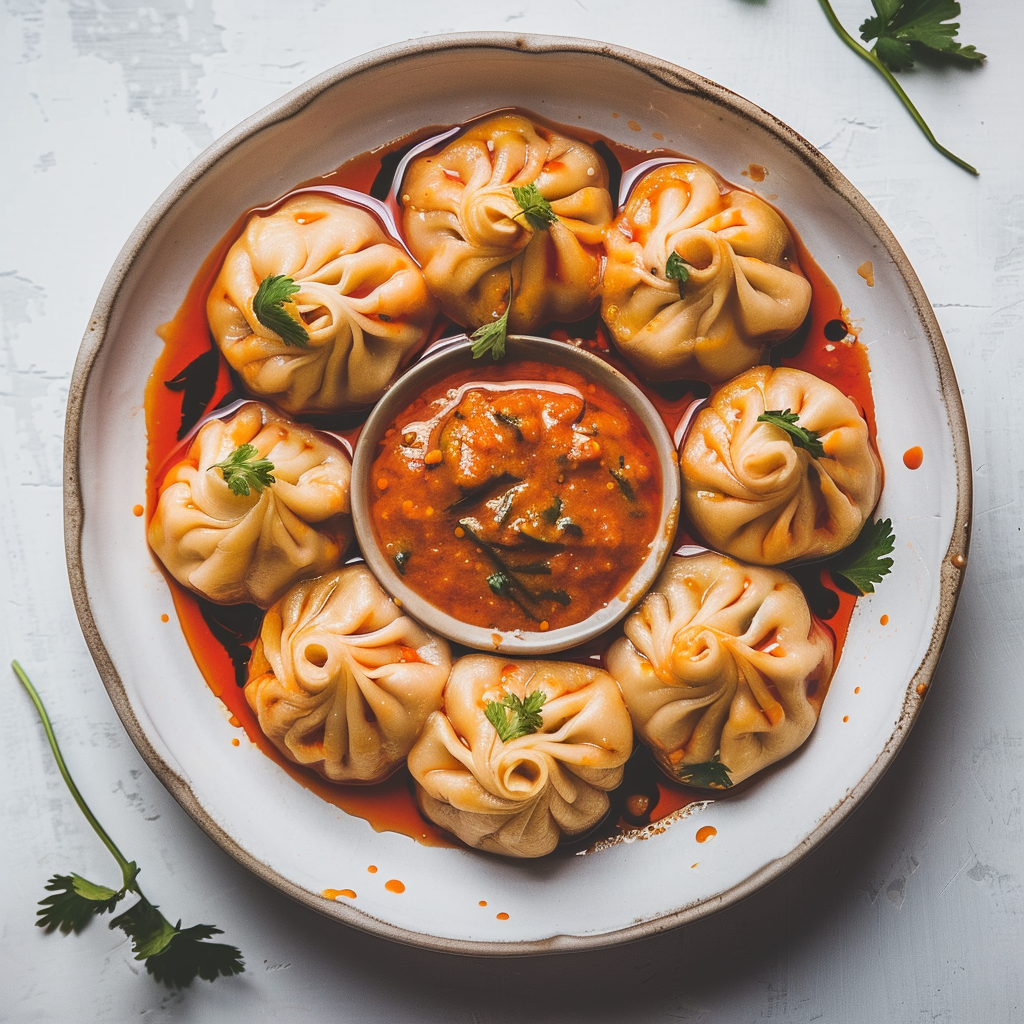
Momos originated in Tibet as a staple food, using locally available ingredients like barley, yak meat, or vegetables. As trade and migration brought Tibetan cuisine into Nepal, Bhutan, and India, momos were adapted to regional preferences.
In India, the vegetarian momo gained prominence due to dietary preferences and urban adaptation. Street vendors, cafes, and restaurants introduced a variety of fillings, including cheese, paneer, and mixed vegetables. The Schezwan filling—inspired by Indo-Chinese cuisine—adds a bold, spicy twist, combining chili, garlic, and soy-based sauces to create a unique flavor while keeping the dish entirely vegetarian.
Veg Momos with Schezwan filling represent culinary globalization, blending Himalayan tradition with modern Indo-Chinese taste profiles.
2. Ingredients for Veg Momos with Schezwan Filling
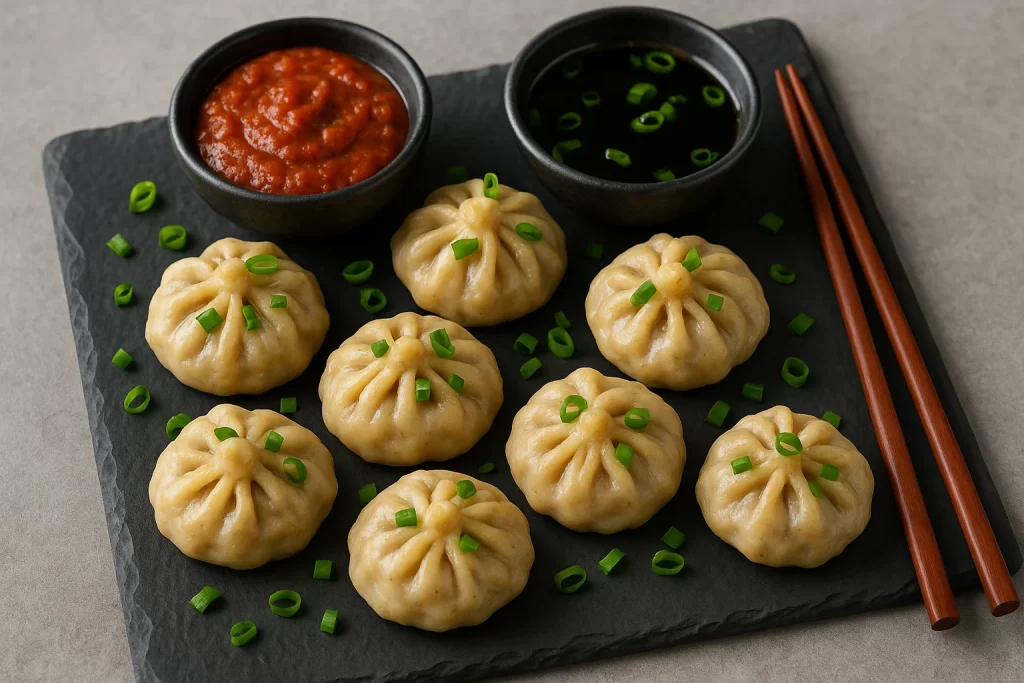
For approximately 20 medium-sized momos, the following ingredients are required:
For the Dough:
- All-purpose flour (maida) – 2 cups
- Salt – ½ teaspoon
- Water – ½ cup (adjust as needed)
- Oil – 1 teaspoon (optional, for soft dough)
For the Filling:
- Finely chopped cabbage – 1 cup
- Grated carrots – ½ cup
- Finely chopped capsicum – ½ cup
- Chopped spring onions – ½ cup
- Minced garlic – 1 tablespoon
- Grated ginger – 1 tablespoon
- Schezwan sauce – 2 tablespoons (vegetarian)
- Soy sauce – 1 teaspoon
- Salt – to taste
- Black pepper – ½ teaspoon
- Oil – 1 tablespoon
Optional Dipping Sauce:
- Schezwan sauce – 1 tablespoon
- Soy sauce – 1 teaspoon
- Vinegar – ½ teaspoon
- Sugar – ½ teaspoon
- Water – 2 tablespoons
3. Step One – Preparing the Dough
The dough forms the foundation of perfect momos. It should be soft, elastic, and easy to roll into thin wrappers.
- In a large bowl, combine all-purpose flour and salt.
- Gradually add water, kneading continuously until smooth.
- Add a few drops of oil for pliability.
- Cover the dough with a damp cloth and rest for 20–30 minutes.
Resting allows the gluten to relax, making the wrappers easier to roll without tearing during shaping.
4. Step Two – Preparing the Vegetable Filling
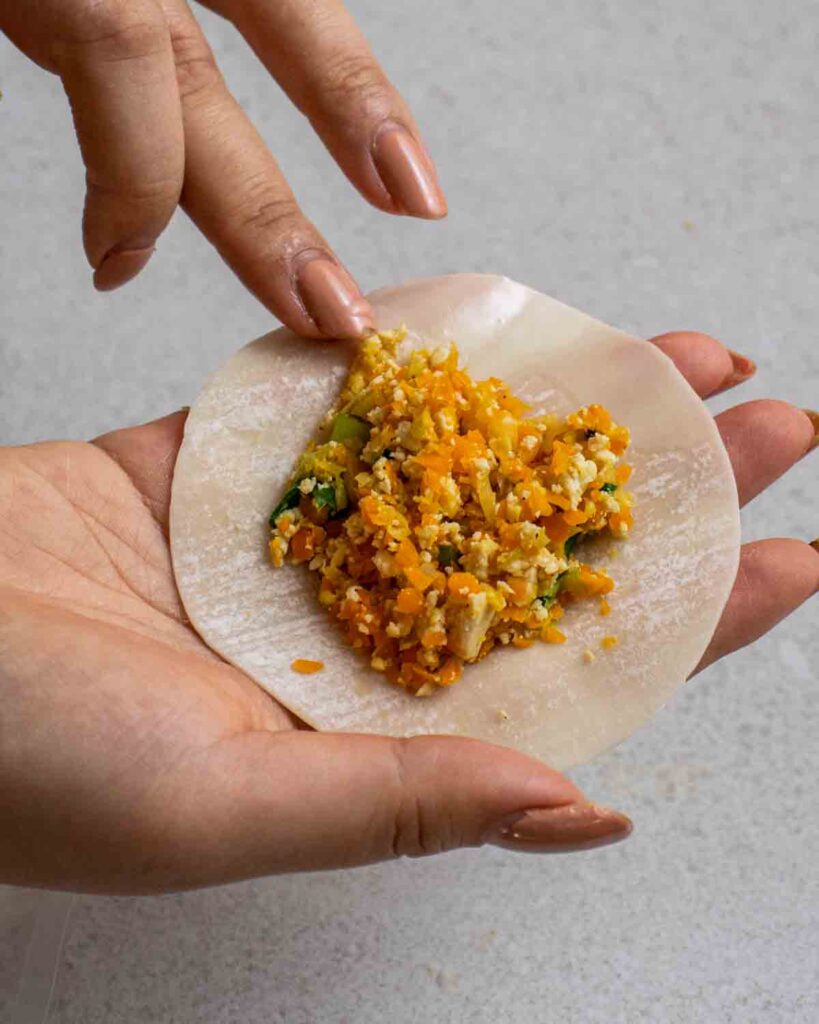
The Schezwan filling is the soul of this recipe. It is essential to maintain a balance between heat, tanginess, and vegetable crunch.
- Heat 1 tablespoon of oil in a pan.
- Sauté garlic and ginger until aromatic.
- Add cabbage, carrots, capsicum, and spring onions, stir-frying for 3–4 minutes.
- Season with Schezwan sauce, soy sauce, salt, and black pepper.
- Cook for an additional 1–2 minutes, then remove from heat.
Allow the filling to cool completely before stuffing. Cooling prevents moisture from softening the dough.
5. Step Three – Rolling the Momo Wrappers
Uniform, thin wrappers ensure even cooking and a delicate bite.
- Divide the rested dough into small balls (about 1 inch each).
- Roll each ball into a circle of approximately 3 inches in diameter.
- Ensure edges are thinner than the center for proper sealing.
Cover rolled wrappers with a damp cloth to prevent drying.
6. Step Four – Shaping the Momos
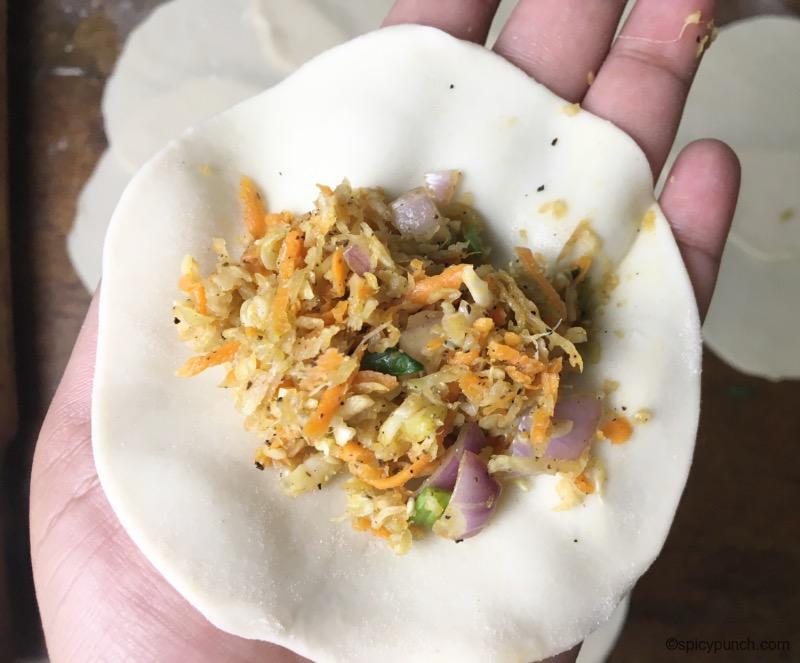
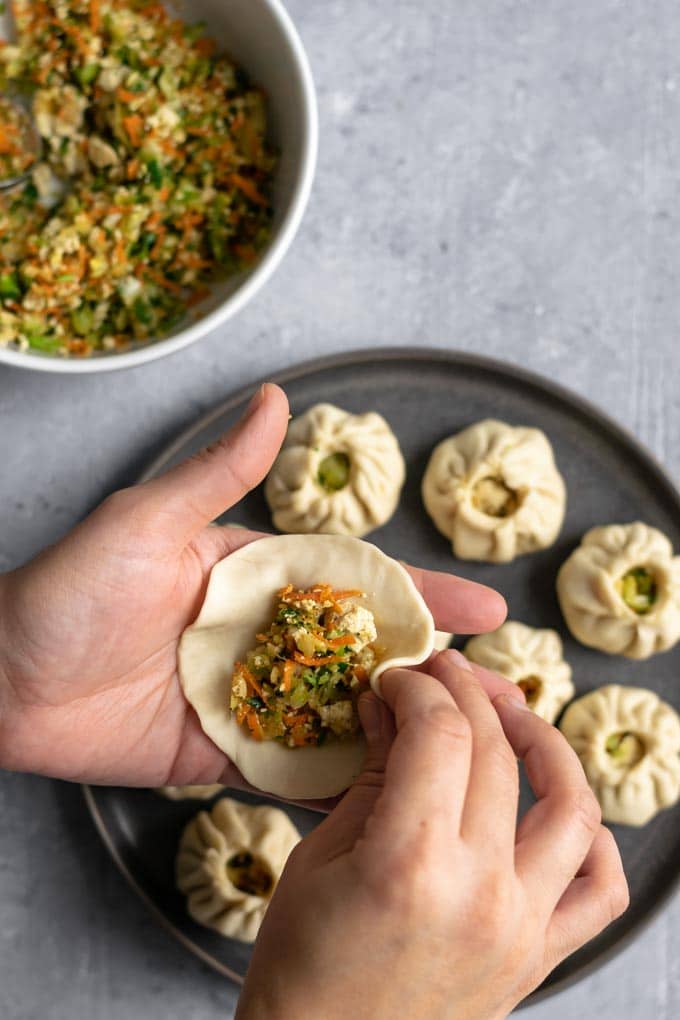
Shaping is crucial for presentation, cooking efficiency, and texture. Half-moon or pleated shapes are most common.
- Place a wrapper on your palm and add 1 tablespoon of filling.
- Fold the edges and pleat them, sealing tightly.
- Ensure there are no air pockets to prevent bursting during steaming.
Keep shaped momos covered with a damp cloth until ready for cooking.
7. Step Five – Steaming the Momos
Steaming retains the authentic texture and nutritional content of momos.
- Lightly grease a steamer tray with oil.
- Place momos neatly, leaving space between them.
- Boil water in the steamer base.
- Cover and steam for 10–12 minutes over medium heat.
The momos are ready when the wrappers become translucent and slightly shiny. Avoid over-steaming to prevent toughness.
8. Step Six – Preparing the Dipping Sauce
While the Schezwan filling is flavorful, a complementary dipping sauce enhances the overall experience.
- Mix Schezwan sauce, soy sauce, vinegar, sugar, and water in a small bowl.
- Adjust seasoning to taste.
- Serve alongside the hot momos for dipping.
This sauce enhances the spice and tanginess, making each bite more vibrant and enjoyable.
9. Step Seven – Plating and Presentation
Presentation enhances the sensory experience. Arrange momos neatly on a plate or in a bamboo steamer. Garnish with:
- Finely chopped spring onions
- Sesame seeds
- A drizzle of Schezwan sauce for visual appeal
Serve hot, accompanied by the dipping sauce. Pairing with a light soup or green tea elevates the meal experience.
10. Nutritional and Culinary Significance
Veg Momos with Schezwan Filling are both tasty and nutritious. A serving of 4–5 momos provides:
- Calories: 180–200 kcal
- Carbohydrates: 25–28 g
- Protein: 4–5 g
- Fat: 4–5 g
- Fiber: 2–3 g
Vegetables such as cabbage, carrots, and capsicum supply essential vitamins, minerals, and antioxidants. Garlic and ginger improve digestion and immunity, while the Schezwan sauce provides a flavor punch with minimal oil.
From a culinary perspective, these momos illustrate how traditional foods adapt to modern flavors while retaining their essence. The fusion of Himalayan dumplings with Indo-Chinese Schezwan sauce exemplifies globalization, innovation, and cultural exchange in cuisine.
Conclusion
The 8-Step Recipe for Veg Momos with Schezwan Filling demonstrates the harmony of flavor, texture, and tradition. Each step—from kneading the dough to steaming the perfectly shaped dumplings—requires precision and care.
This dish is not just a meal; it is an expression of culinary creativity, cultural fusion, and nutritional mindfulness. The spicy, aromatic Schezwan filling, combined with tender, steamed vegetable dumplings, offers a gastronomic experience that appeals to both street food enthusiasts and home cooks.
Veg Momos with Schezwan Filling symbolize the modern culinary ethos—simple ingredients, innovative preparation, and bold flavors. They showcase how traditional recipes can evolve while remaining rooted in cultural authenticity, making them a valuable addition to both everyday cooking and academic culinary research.