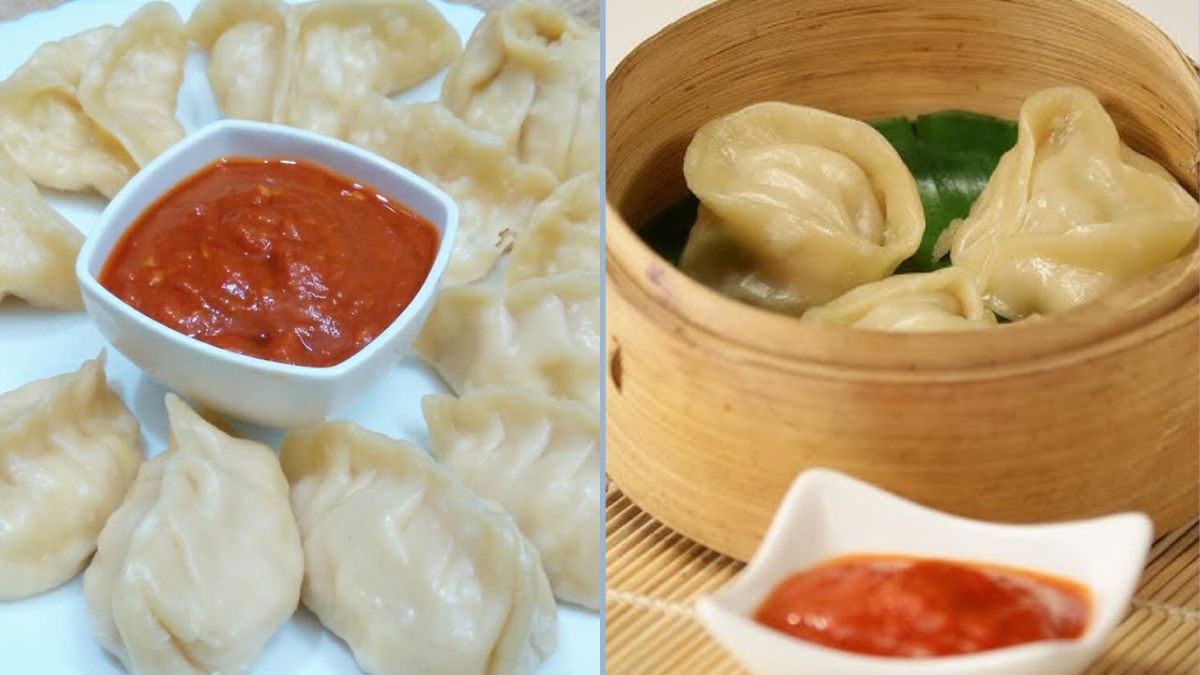
Vegetarian cuisine is celebrated for its versatility, flavor, and nutritional richness. Among its most beloved dishes are veg momos—soft dumplings originally from Tibet, now a staple snack across India and the Himalayan region. Restaurant-style veg momos are known for their delicate wrappers, perfectly balanced fillings, and visually appealing presentation. This thesis presents a 9-step recipe for restaurant-style veg momos, highlighting plant-based ingredients, detailed preparation techniques, and tips to replicate professional-quality results at home or in culinary research.
Introduction to Restaurant-Style Veg Momos
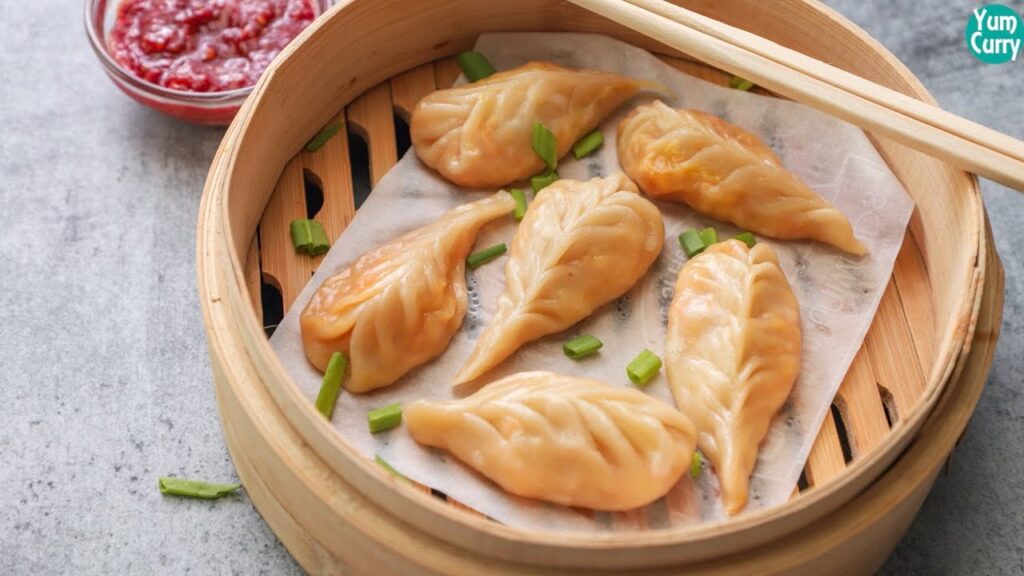
Veg momos are dumplings made from wheat flour dough and stuffed with finely chopped or grated vegetables. The restaurant-style variation emphasizes soft, tender wrappers, flavorful fillings, and precise folding techniques that enhance both taste and aesthetics.
This recipe focuses on fresh, nutritious ingredients and a systematic approach to creating restaurant-quality momos that are visually appealing, flavorful, and fully plant-based. By following these steps, even novice cooks can achieve a professional finish while retaining the nutritional benefits of vegetables.
Step 1: Preparing the Dough
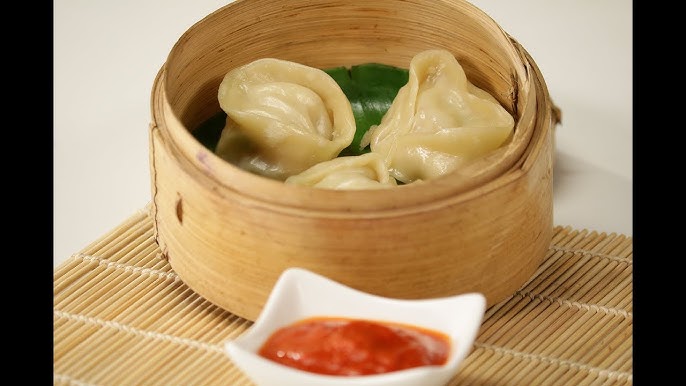
The dough is the backbone of perfectly textured momos. Soft, elastic dough allows easy rolling, neat shaping, and a tender bite.
Ingredients:
- 2 cups all-purpose flour (maida)
- ½ teaspoon salt
- Water, as needed
Method:
- Combine flour and salt in a mixing bowl.
- Gradually add water while kneading to form a smooth, pliable dough.
- Knead for 8–10 minutes until elastic.
- Cover with a damp cloth and let the dough rest for 20–30 minutes.
Tips:
- Resting allows the gluten to relax, making the dough easier to roll and fold.
- For added nutrition, part of the flour can be replaced with whole wheat flour.
Soft, pliable dough ensures the wrappers do not tear during filling and steaming.
Step 2: Preparing the Vegetable Filling
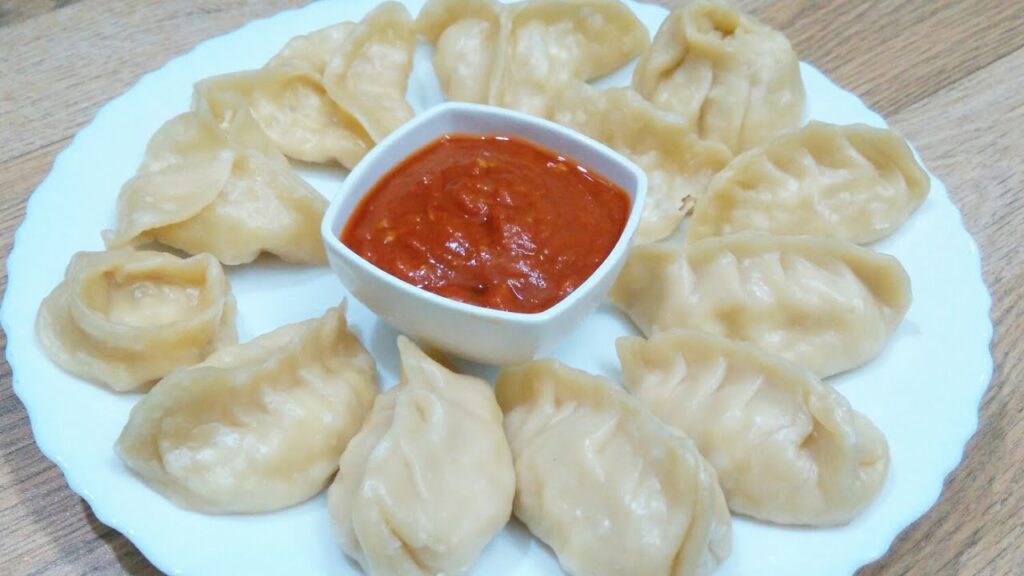
The filling is the heart of restaurant-style momos. It should be flavorful, aromatic, and well-balanced.
Ingredients:
- ½ cup finely shredded cabbage
- ½ cup grated carrot
- ½ cup finely chopped bell peppers
- ½ cup finely chopped onions
- ½ cup finely chopped beans or peas
- 2 garlic cloves, minced
- 1 teaspoon grated ginger
- 1 teaspoon oil
- Salt and black pepper to taste
Method:
- Heat oil in a pan and sauté garlic and ginger until aromatic.
- Add onions and cook until translucent.
- Add cabbage, carrots, bell peppers, and beans/peas; sauté for 3–4 minutes until slightly tender.
- Season with salt and black pepper and let the mixture cool.
The combination of colorful vegetables provides texture, nutrients, and a balanced flavor profile suitable for restaurant-style presentation.
Step 3: Dividing the Dough
Uniform dough portions ensure consistent wrapper thickness and momo size.
Method:
- Divide rested dough into small, walnut-sized balls.
- Roll each ball into a thin circular wrapper, about 3–4 inches in diameter.
- Keep the edges slightly thinner than the center for easier sealing.
Uniform wrappers result in evenly cooked momos with a professional appearance.
Step 4: Filling the Momos
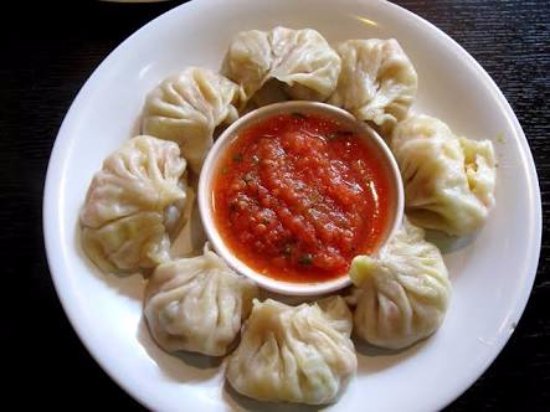
Proper filling technique ensures that each momo contains the right balance of vegetables without tearing the wrapper.
Method:
- Place 1–2 teaspoons of vegetable filling in the center of each wrapper.
- Avoid overfilling to prevent leakage.
- Fold and pinch the edges carefully to seal completely.
Tips:
- Pleated or half-moon shapes enhance visual appeal.
- Firm sealing prevents the filling from spilling during steaming.
Well-filled and properly shaped momos maintain structure and are aesthetically pleasing.
Step 5: Shaping for Restaurant-Style Presentation
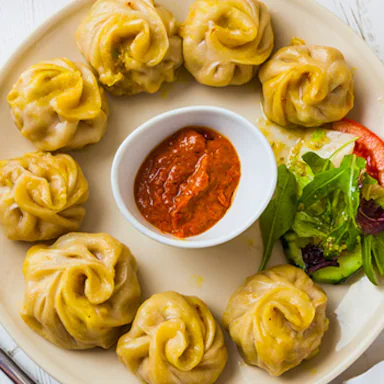
Shaping is key to the professional look of restaurant-style momos.
Method:
- Pleat the edges neatly or fold into a round dumpling shape.
- Ensure the base is flat so the momo can sit upright on the steaming tray.
Consistent shaping enhances the visual appeal, making the momos suitable for serving in professional or formal settings.
Step 6: Steaming the Momos
Steaming preserves the tender texture of the wrapper and the nutrients of the vegetables.
Method:
- Prepare a steamer with water, ensuring momos do not touch the water.
- Line the tray with parchment paper or lightly grease to prevent sticking.
- Place momos with space between them to avoid sticking.
- Steam for 10–12 minutes until the dough is cooked and slightly translucent.
Steaming ensures soft, tender wrappers while keeping the filling crunchy and flavorful.
Step 7: Preparing an Accompanying Sauce
Restaurant-style momos are often served with a flavorful dipping sauce to enhance taste. A simple tomato-based or chili sauce complements the delicate filling.
Ingredients for Sweet and Spicy Sauce:
- 2 tablespoons tomato ketchup
- 1 tablespoon soy sauce
- 1 teaspoon chili sauce (adjust to taste)
- 1 teaspoon sugar or jaggery
- ½ teaspoon vinegar or lemon juice
- 1 teaspoon water
Method:
- Combine all ingredients in a small saucepan.
- Cook over low heat, stirring until slightly thickened.
- Adjust sweetness and spice to taste.
- Serve warm alongside the momos.
The sauce balances sweetness, tanginess, and mild spice, highlighting the delicate flavors of the vegetable filling.
Step 8: Plating and Presentation
Visual presentation is critical in restaurant-style momos.
Method:
- Arrange steamed momos neatly on a platter.
- Serve sauce in a small bowl or drizzle lightly over the momos.
- Garnish with chopped coriander, spring onions, or a sprinkle of sesame seeds.
Professional presentation enhances both aesthetics and the overall dining experience.
Step 9: Nutritional Benefits and Tips
Restaurant-style veg momos are nutritious, low in fat, and rich in vitamins, minerals, and fiber:
- Vegetables: Provide antioxidants, fiber, and essential vitamins.
- Garlic and Ginger: Boost flavor while supporting digestion and immunity.
- Steaming: Preserves nutrients and reduces the need for oil.
- Balanced Sauce: Enhances taste without excessive fat.
Tips for Replicating Restaurant Quality:
- Use fresh, crisp vegetables for optimal texture and flavor.
- Roll dough evenly to prevent tearing.
- Avoid overfilling to maintain structural integrity.
- Steam immediately after shaping for freshness.
- Experiment with herbs and mild spices to enhance aroma.
Following these tips ensures consistent, delicious, and visually appealing momos suitable for home, research, or culinary presentation.
Conclusion
Restaurant-style veg momos combine soft, tender dough with flavorful, nutrient-rich vegetable fillings and a complementary dipping sauce. This 9-step recipe provides a systematic approach to creating professional-quality, plant-based momos suitable for home cooking, culinary research, or gastronomy studies.
From kneading soft dough and preparing a balanced vegetable filling to steaming, shaping, and serving with sauce, each step contributes to a dish that is both visually appealing and nutritionally wholesome. Restaurant-style veg momos showcase the versatility of vegetarian cuisine, demonstrating that plant-based ingredients can create satisfying textures, vibrant flavors, and attractive presentation.
By following this guide, anyone can recreate restaurant-quality veg momos at home, delivering flavor, nutrition, and aesthetics in a single dish. These momos are ideal for family meals, social gatherings, or professional culinary projects.