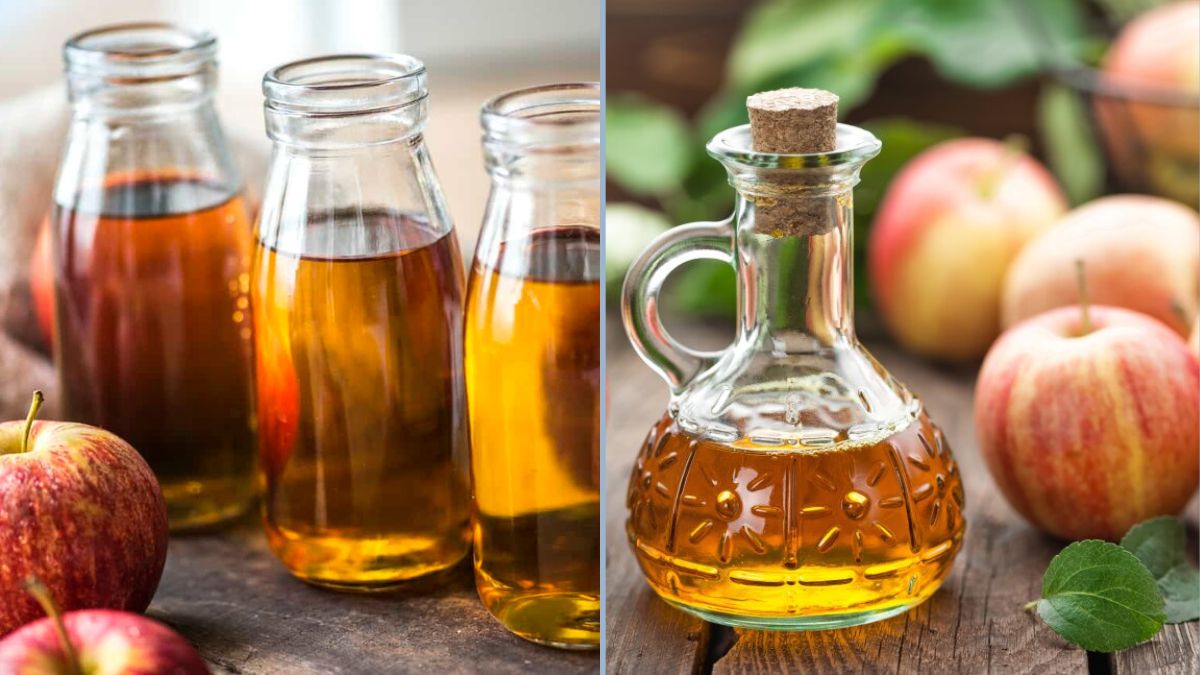
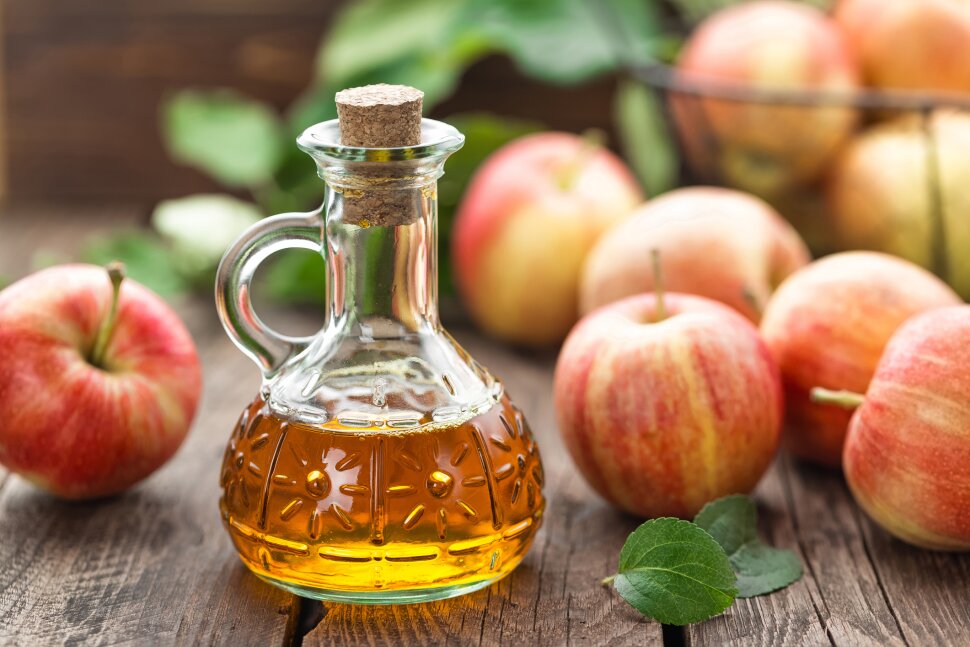
Apple cider vinegar (ACV) has gained widespread recognition for its culinary versatility and potential health benefits. Derived from fermented apple juice, ACV contains acetic acid, enzymes, and probiotics that contribute to its unique flavor and nutritional profile. Its applications range from salad dressings and marinades to natural preservatives and wellness tonics. When incorporated into a vegetarian diet, ACV provides both taste enhancement and functional benefits, supporting digestion, metabolic health, and immunity.
This article explores the uses of apple cider vinegar in cooking, its health-promoting properties, preparation methods, and practical strategies for integrating it into daily meals.
1. Understanding Apple Cider Vinegar

Apple cider vinegar is made through a two-step fermentation process. First, yeast converts the sugars in apple juice into alcohol. In the second step, acetic acid bacteria transform the alcohol into acetic acid, which gives ACV its characteristic tangy flavor and functional properties.
Unfiltered, raw ACV contains the “mother,” a colony of beneficial bacteria, enzymes, and proteins that contribute to its health benefits. Its acidic nature also makes it a natural preservative, flavor enhancer, and digestive aid.
2. Health Benefits of Apple Cider Vinegar
a. Supports Digestive Health
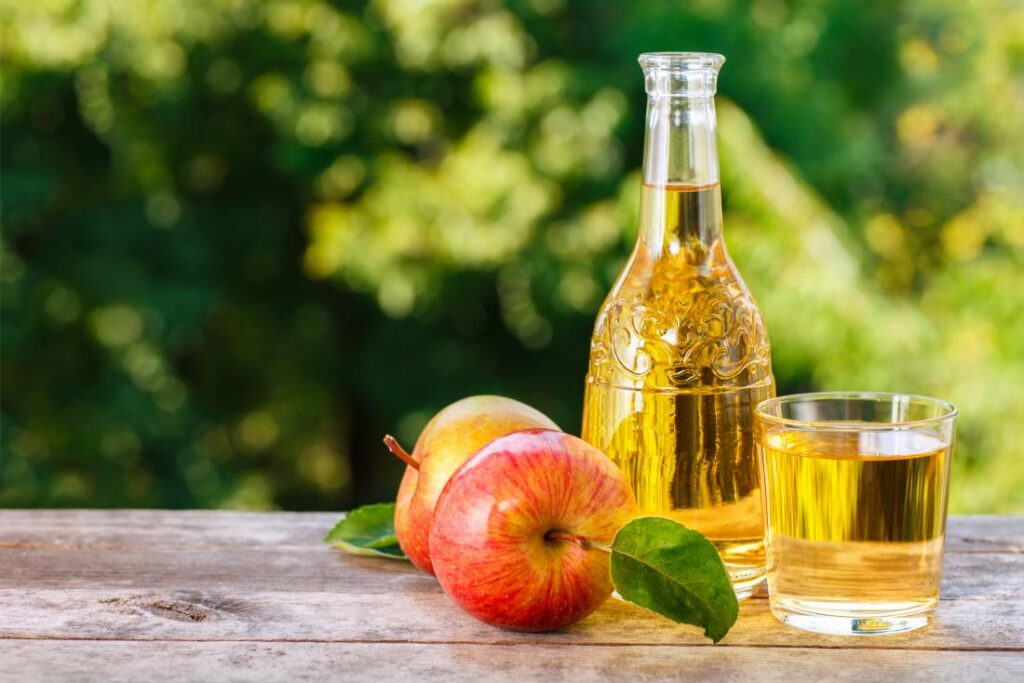
The acetic acid and probiotics in raw ACV aid digestion by increasing stomach acidity, which improves nutrient absorption and supports a healthy gut microbiome. ACV may also reduce bloating and promote regular bowel movements.
b. Helps Maintain Healthy Blood Sugar Levels
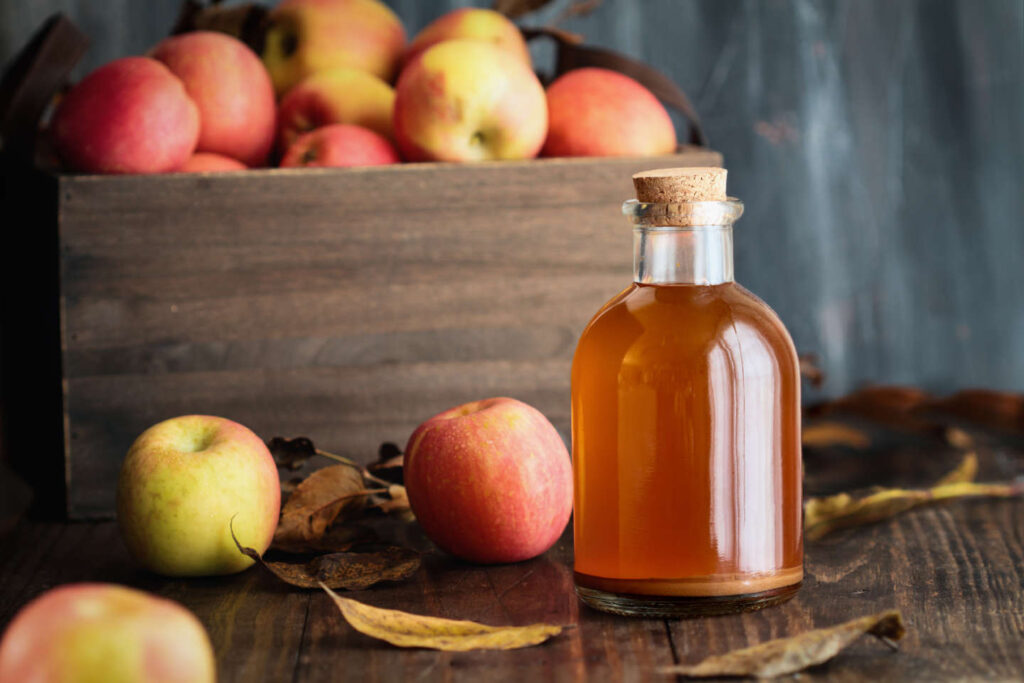
ACV has been shown to improve insulin sensitivity and moderate postprandial blood sugar spikes. Incorporating ACV into meals can help regulate blood glucose, especially when consumed alongside high-carbohydrate foods.
c. Supports Weight Management
ACV may promote satiety, helping to control appetite and reduce overall calorie intake. Its inclusion in salads, dressings, or pre-meal tonics may aid in weight management efforts.
d. Heart and Cardiovascular Benefits
Research suggests that acetic acid can lower cholesterol and triglyceride levels, supporting heart health. Its antioxidant content from apples may also contribute to vascular protection.
e. Antimicrobial and Preservative Properties
ACV’s acidity inhibits the growth of harmful bacteria and pathogens, making it a natural preservative for pickles, fermented foods, and condiments.
f. Skin and Detoxification Support
While primarily consumed internally, ACV’s antioxidant and pH-balancing properties can indirectly benefit skin health by supporting digestion and toxin elimination.
3. Culinary Uses of Apple Cider Vinegar
a. Salad Dressings
ACV provides a tangy base for dressings, combining well with olive oil, mustard, herbs, and spices. Popular combinations include:
- ACV, olive oil, Dijon mustard, garlic, and honey
- ACV, lemon juice, basil, and black pepper
b. Marinades for Vegetables and Tofu
ACV tenderizes plant-based proteins such as tofu or tempeh and enhances flavor. Combine with soy sauce, garlic, and spices for a nutrient-dense, umami-rich marinade.
c. Pickling and Preserving
ACV is ideal for quick pickles, fermented vegetables, or homemade condiments. Its acidity preserves vegetables like cucumbers, carrots, and radishes while adding a tangy flavor.
d. Baking and Cooking
ACV can activate baking soda in vegan baked goods, improving texture and lift. It can also enhance flavor in soups, stews, and sauces by adding subtle acidity.
e. Beverages
Diluted ACV can be consumed as a tonic with water, lemon, honey, or ginger. ACV tonics can support digestion, hydration, and satiety.
4. Nutritional Components of ACV
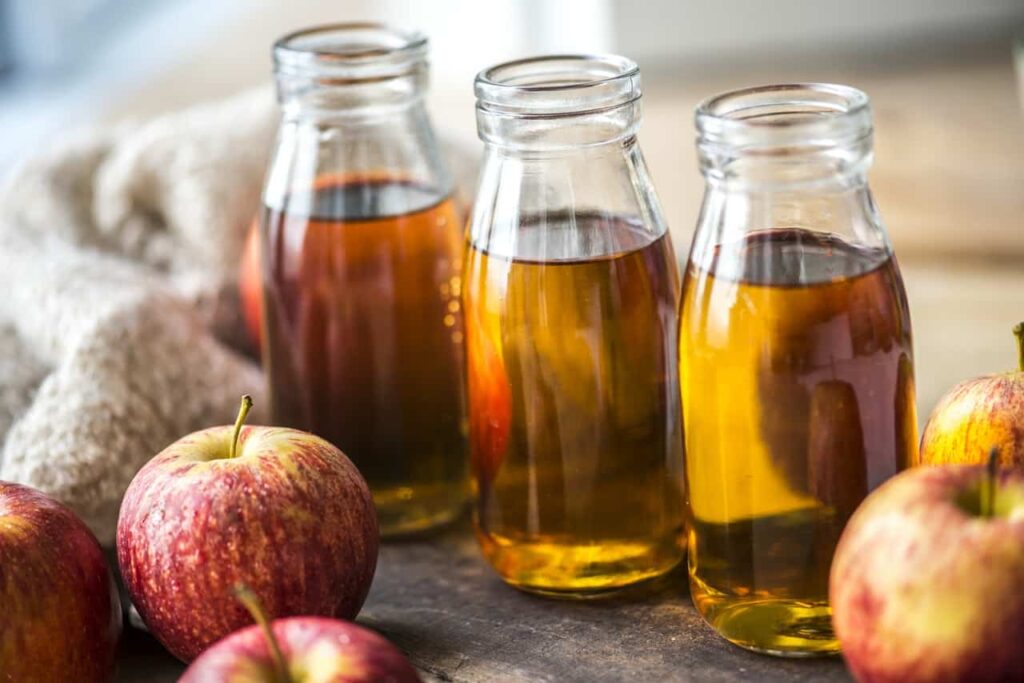
- Acetic Acid: Promotes digestion, regulates blood sugar, and supports heart health.
- Probiotics: Present in raw, unfiltered ACV, enhancing gut microbiota.
- Vitamins and Minerals: Trace amounts of potassium, magnesium, and antioxidants from apples.
- Polyphenols: Apple-derived antioxidants that reduce oxidative stress and inflammation.
Regular consumption of ACV as part of a balanced vegetarian diet can enhance nutrient absorption and contribute to overall health.
5. How to Make Your Own Apple Cider Vinegar
Ingredients:
- 4–6 organic apples (or apple scraps)
- 2 tablespoons sugar or honey
- Filtered water
Steps:
- Chop apples into small pieces and place in a clean jar.
- Dissolve sugar in water and pour over the apples, ensuring they are fully submerged.
- Cover the jar with a breathable cloth or paper towel and secure with a rubber band.
- Store in a dark, warm place for 3–4 weeks, stirring daily.
- Strain out solids and transfer liquid to a clean jar for secondary fermentation (optional) for 3–6 weeks to enhance flavor.
- Use raw, unfiltered ACV with “mother” for maximum benefits.
Homemade ACV allows customization of flavor, sweetness, and strength, while ensuring a natural, additive-free product.
6. Tips for Safe and Effective Use
- Dilute ACV: Typically 1–2 tablespoons in a glass of water to protect teeth enamel and stomach lining.
- Start Slowly: Begin with small amounts to assess tolerance.
- Store Properly: Keep in a cool, dark place in a glass container.
- Use Unfiltered ACV: Preserves probiotics and enzymes.
- Combine with Meals: Use in dressings, marinades, or pre-meal tonics for digestive support.
7. Practical Applications in Vegetarian Diets
- Salads: Enhance nutrient absorption and flavor in leafy greens, quinoa bowls, or grain salads.
- Vegetable Dishes: Add ACV to sautéed, roasted, or pickled vegetables for tangy, vibrant flavor.
- Soups and Stews: Boost flavor while preserving nutrients with a splash of ACV at the end of cooking.
- Smoothies: Include a small amount in fruit or green smoothies for added tang and digestive benefits.
- Condiments: Mix ACV with herbs, spices, or mustard to create homemade sauces or dressings.
ACV’s versatility makes it a practical ingredient for improving taste, preserving foods, and supporting digestion in plant-based meals.
8. Common Mistakes and How to Avoid Them
- Using Undiluted ACV: Can irritate the esophagus or erode tooth enamel; always dilute before consumption.
- Overconsumption: Excessive ACV may cause stomach discomfort or digestive upset; moderate use is sufficient.
- Ignoring Quality: Opt for organic, raw, unfiltered ACV to maximize probiotics and enzymes.
- Adding ACV Too Early in Cooking: Heat can reduce probiotic content; add at the end of cooking for health benefits.
- Using Plastic Containers: Store in glass to avoid chemical leaching and preserve flavor.
9. Creative Ways to Use ACV in Cooking
- Tangy Grain Bowls: Add ACV-based dressing to quinoa, bulgur, or rice bowls with roasted vegetables.
- Pickled Vegetables: Quick pickles with carrots, cucumbers, and red onions.
- Vegan Sauces: ACV-enhanced barbecue or mustard sauces for plant-based proteins.
- Soups: Add a splash of ACV to lentil, vegetable, or tomato soups for brightness.
- Fermented Beverages: ACV can be incorporated into shrubs or tonic drinks with fruit and herbs.
Experimentation ensures flavorful meals while maximizing health benefits.
10. Lifestyle and Health Considerations
Incorporating ACV into a vegetarian diet supports:
- Digestive Health: Promotes nutrient absorption and regular bowel function.
- Balanced Blood Sugar: Assists in managing glycemic response to meals.
- Weight Management: Enhances satiety and supports healthy metabolism.
- Heart Health: Provides antioxidants and supports healthy cholesterol levels.
- Sustainable Eating: Homemade ACV reduces reliance on commercial additives and supports eco-friendly practices.
ACV complements a balanced diet, enhancing both culinary experiences and nutritional outcomes.
11. Conclusion
Apple cider vinegar is a versatile, nutrient-dense ingredient that enhances both cooking and health in vegetarian diets. Its tangy flavor elevates salads, dressings, marinades, pickles, and sauces while providing digestive support, antioxidant benefits, and cardiovascular protection. Homemade ACV allows for complete control over ingredients and quality, ensuring freshness, purity, and maximum nutritional benefits.
By understanding proper preparation methods, safe usage, and creative culinary applications, individuals can integrate ACV into daily meals effortlessly. Regular, moderate consumption of apple cider vinegar supports digestive health, weight management, blood sugar regulation, and overall wellness.
In conclusion, apple cider vinegar is more than a flavor enhancer—it is a functional food that combines nutrition, convenience, and versatility. Its incorporation into vegetarian meals offers an effective, natural, and practical approach to enhancing both taste and health in everyday cooking.