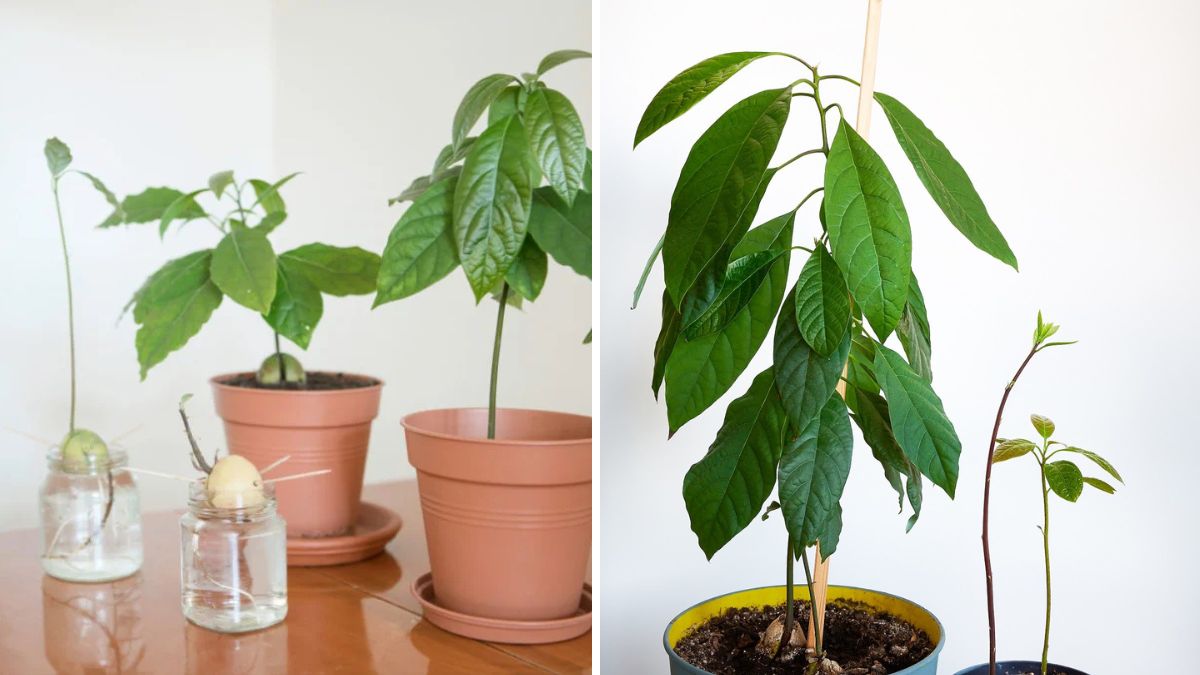
Avocado, often referred to as the “green gold,” is a nutritious fruit loved worldwide for its creamy texture and health benefits. Rich in healthy fats, vitamins, and minerals, it has become a kitchen staple for salads, smoothies, and spreads. While growing avocados from seed is possible, achieving fruiting can take years. The secret to early harvesting lies in proper planting and grafting techniques. By learning the right methods, you can enjoy homegrown avocados faster and more efficiently. This guide will walk you through planting and grafting avocados for early harvest.
Why Grafting Avocado Works for Early Harvesting
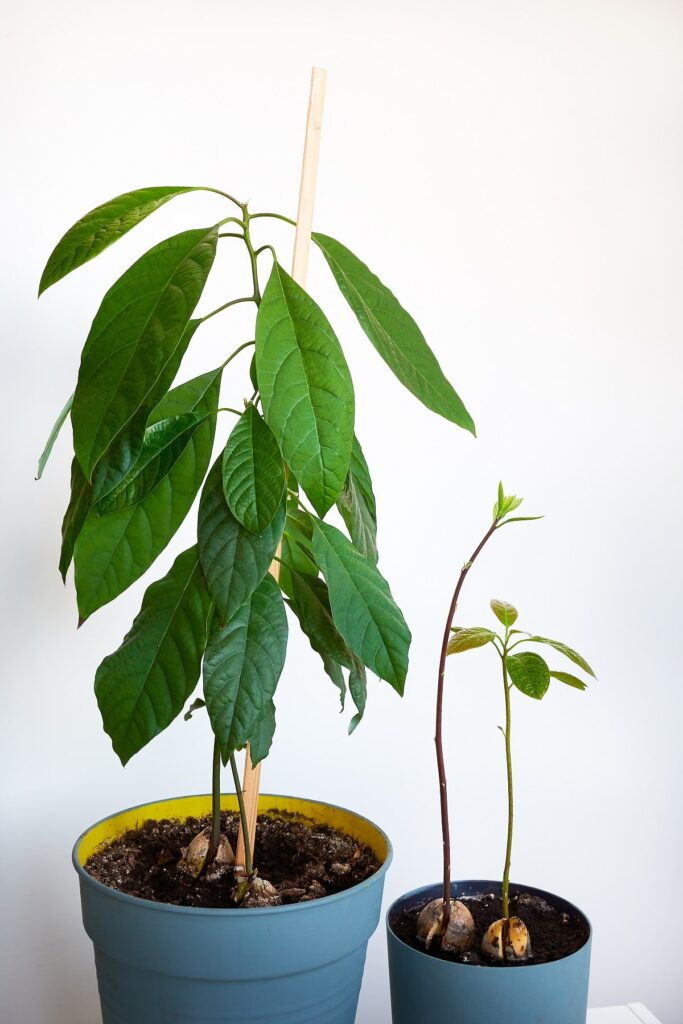
Avocado trees grown from seeds often take 7–10 years to bear fruit, and the quality may be inconsistent. Grafting is a proven horticultural technique that allows you to:
- Reduce Time to Fruit: Grafted trees can bear fruit in 2–4 years.
- Maintain Quality: Grafting preserves the parent tree’s desirable fruit traits.
- Ensure Disease Resistance: Selecting healthy scions improves the tree’s immunity.
- Control Growth: Grafting allows better management of tree size and shape for easier maintenance.
By combining proper planting and grafting, you maximize your chances of a faster, successful avocado harvest.
Step 1: Selecting the Right Avocado Variety
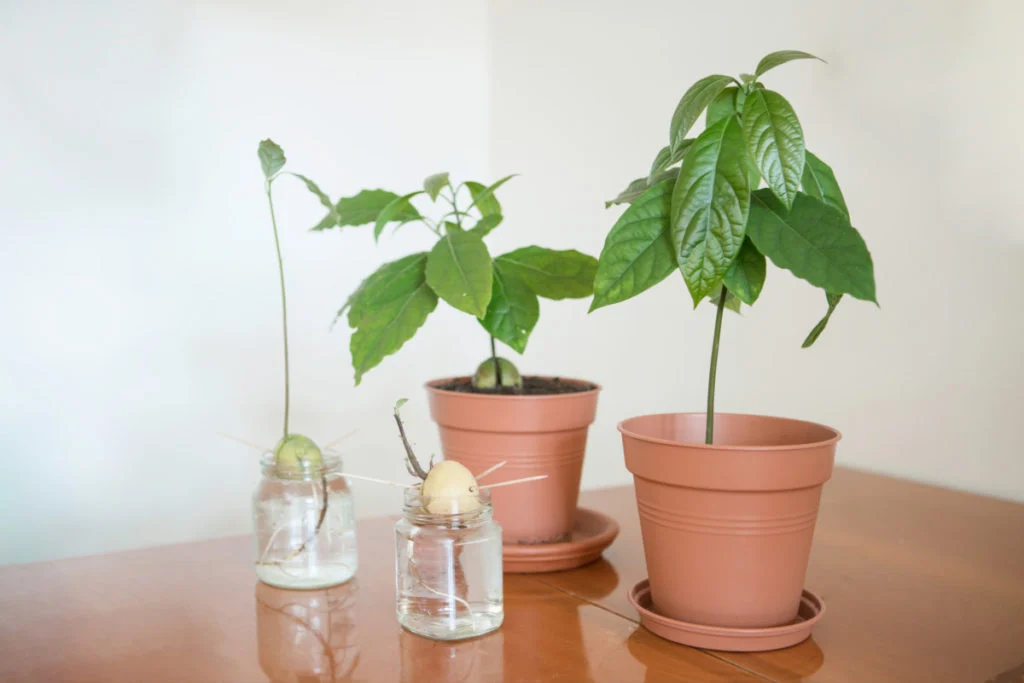
The first step is choosing the right avocado variety for your climate and taste preferences:
- Hass: Popular for creamy texture and rich flavor; suited for subtropical climates.
- Fuerte: Cold-tolerant variety with smooth skin and buttery taste.
- Bacon: Mild flavor and moderately cold-hardy.
- Pinkerton: Long fruiting season and high yield.
Selecting a variety suitable for your region ensures healthier growth and better yields.
Step 2: Preparing the Planting Site
Avocado trees need a suitable environment to thrive:
- Soil: Well-draining soil is essential. Sandy loam with pH 6–6.5 is ideal.
- Sunlight: Full sun exposure for at least 6–8 hours daily.
- Space: Trees need space to grow—minimum 15–20 feet between trees.
- Protection: Shield young plants from strong winds and frost using temporary shade or covers.
Proper site preparation ensures strong roots and healthier trees.
Step 3: Planting Avocado Seedlings
If you are starting with seedlings, follow these steps:
- Choose Healthy Seedlings: Select 4–6 months old seedlings with strong stems and healthy leaves.
- Prepare the Hole: Dig a hole twice as wide and as deep as the root ball.
- Planting: Place the seedling in the hole at the same depth it was in the pot.
- Backfill: Fill the hole with soil, gently pressing around the roots.
- Watering: Water thoroughly to settle the soil.
Seedlings provide a strong base for grafting and long-term growth.
Step 4: Preparing for Grafting

Grafting is the key to early fruiting. Here’s how to prepare:
- Rootstock: Use a healthy avocado seedling as rootstock. It should be disease-free and about 6–12 months old.
- Scion Selection: Choose a mature branch from a productive avocado tree. The scion should be 6–12 inches long, healthy, and free from pests.
- Tools Needed: Sharp grafting knife, grafting tape, rubber bands, and sterilized cutting tools.
Preparing healthy rootstock and scions is essential for graft success.
Step 5: Choosing the Right Grafting Technique
Several grafting methods can be used for avocado:
- Cleft Grafting:
- Make a vertical split in the rootstock.
- Insert the scion into the split and secure it with grafting tape.
- Suitable for larger rootstock.
- Side Veneer Grafting:
- Make a diagonal cut on the side of the rootstock.
- Trim the scion to match the cut and insert it.
- Wrap and secure with tape.
- Whip and Tongue Grafting:
- Ideal for smaller seedlings.
- Both rootstock and scion are cut diagonally with a tongue cut to interlock.
- Provides strong contact for faster union.
Choose the method you are comfortable with, considering the size of your rootstock.
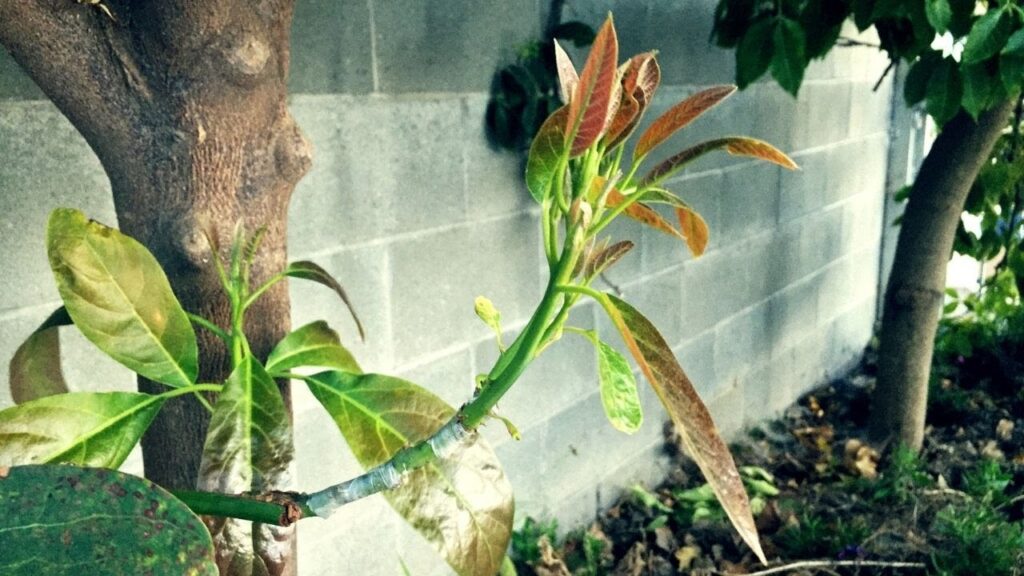
Step 6: Performing the Graft
Follow these steps for a successful graft:
- Prepare Rootstock and Scion: Make clean cuts using sterilized tools.
- Join Pieces: Ensure cambium layers of scion and rootstock align for nutrient transfer.
- Secure: Use grafting tape, rubber bands, or parafilm to hold the graft in place.
- Seal: Apply grafting wax or petroleum jelly to prevent moisture loss and infection.
- Care: Keep the graft in partial shade for 2–3 weeks, avoiding strong sunlight or wind.
Proper grafting technique is crucial for a strong union and early fruiting.
Step 7: Post-Grafting Care
After grafting, care is essential to ensure successful growth:
- Watering: Keep the soil moist but not waterlogged.
- Fertilization: Use balanced NPK fertilizer to promote growth.
- Pruning: Remove any shoots from the rootstock below the graft to ensure energy goes to the scion.
- Protection: Shield grafted plants from pests, extreme heat, or cold.
Consistent care increases the likelihood of a healthy tree and early harvest.
Step 8: Encouraging Early Fruiting
To further accelerate fruiting:
- Sunlight: Ensure the grafted tree gets at least 6–8 hours of full sunlight daily.
- Balanced Fertilizer: Apply a fertilizer high in potassium to support flowering and fruit set.
- Pruning: Encourage lateral growth and remove excess vegetative shoots.
- Water Management: Maintain consistent moisture but avoid waterlogging.
With proper care, grafted avocado trees can start producing fruit in 2–4 years, compared to 7–10 years for seed-grown trees.
Step 9: Harvesting Avocados
Avocado fruits do not ripen on the tree—they mature and then ripen off the branch:
- Maturity: Depending on the variety, fruits mature 6–12 months after flowering.
- Harvesting: Twist or cut fruits carefully to avoid damaging branches.
- Ripening: Store at room temperature until soft, then refrigerate if needed.
Early grafted trees allow you to enjoy homegrown avocados much sooner than waiting for seed-grown trees.
Step 10: Tips for Success and Common Problems
- Pests: Watch for aphids, mites, and borers. Use organic treatments or neem oil.
- Diseases: Root rot and fungal infections can occur. Ensure well-draining soil and avoid overwatering.
- Graft Failure: Ensure cambium layers are aligned and scion is healthy. Retape if necessary and maintain humidity.
- Spacing: Provide enough room for the tree to grow—avocados can reach 20–30 feet in open spaces.
Following these tips ensures healthy, productive avocado trees.
Quick Tips for Homegrown Avocado Success
- Select healthy, disease-free rootstock and scion.
- Choose a suitable grafting technique for your plant size.
- Align cambium layers carefully for strong grafts.
- Provide consistent sunlight, water, and nutrients.
- Prune and remove rootstock shoots to focus energy on the scion.
- Monitor for pests and diseases regularly.
By combining proper planting, grafting, and care, you can significantly shorten the time to harvest.
Conclusion
Growing avocado at home from seeds can be rewarding, but grafting is the key to early fruiting and consistent quality. By selecting healthy seedlings, choosing the right scion, and following proper grafting techniques, you can enjoy delicious, homegrown avocados in just a few years.
Whether you have a backyard, balcony, or garden space, planting and grafting avocado trees ensures a sustainable supply of this nutrient-rich fruit. With patience, care, and proper techniques, you can enjoy the “green gold” sooner than you think, enhancing your meals and lifestyle with the health benefits and rich flavor of homegrown avocados.