
Hibiscus, often called the “queen of tropical flowers,” is a favorite among gardeners due to its vibrant, trumpet-shaped blooms and lush foliage. Known for its bright red, yellow, pink, or orange flowers, hibiscus can instantly brighten any garden or balcony. While it is native to tropical and subtropical regions, with proper care, hibiscus can thrive in pots, gardens, and even as indoor plants in cooler climates. This guide will provide all the essential tips for growing hibiscus successfully, from planting to ongoing care.
1. Choosing the Right Variety of Hibiscus
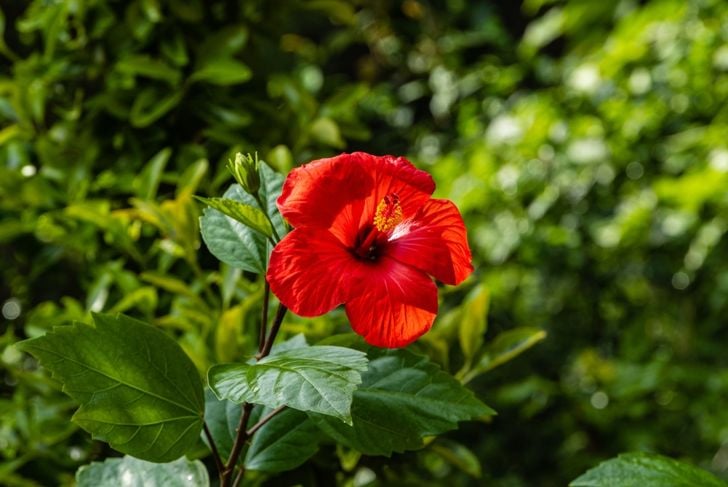
Before you start planting, it is important to select the right type of hibiscus based on your climate and space:
- Tropical Hibiscus (Hibiscus rosa-sinensis): This variety thrives in warm climates and produces large, colorful flowers throughout the year. It is ideal for pots or garden beds in sunny areas.
- Hardy Hibiscus (Hibiscus moscheutos): Suitable for cooler regions, this variety blooms during the summer and can survive mild frost.
- Chinese Hibiscus: Commonly grown for its ornamental beauty and compact growth, perfect for balcony gardens.
Selecting the right variety ensures healthy growth and maximum flowering.
2. Ideal Planting Location
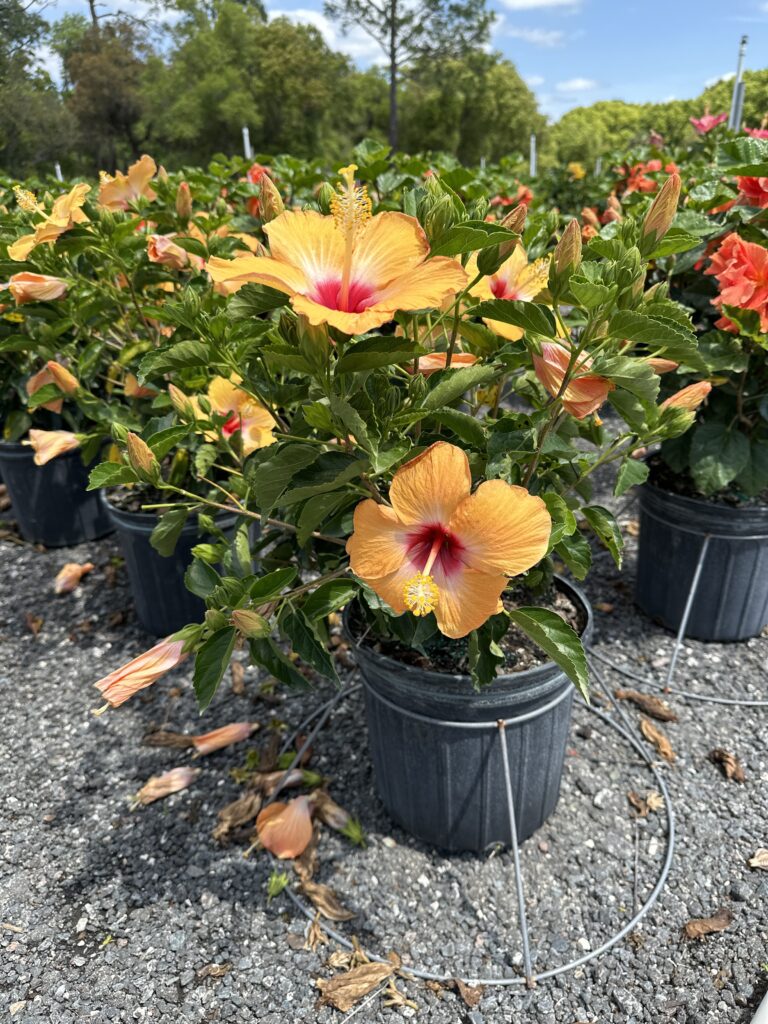
Hibiscus plants require full sun to thrive. A location that receives 6-8 hours of direct sunlight daily encourages strong growth and abundant flowering. If grown in pots indoors, place them near a south-facing window or a bright area where sunlight is sufficient.
Soil Requirements: Hibiscus prefers well-drained, fertile soil enriched with organic matter. Sandy loam or garden soil mixed with compost or well-rotted manure works best. The soil should be slightly acidic to neutral, with a pH of 6.0 to 7.0. Proper drainage is critical, as waterlogged soil can lead to root rot.
Tip: Use raised beds or pots with drainage holes to avoid water accumulation.
3. Planting Hibiscus
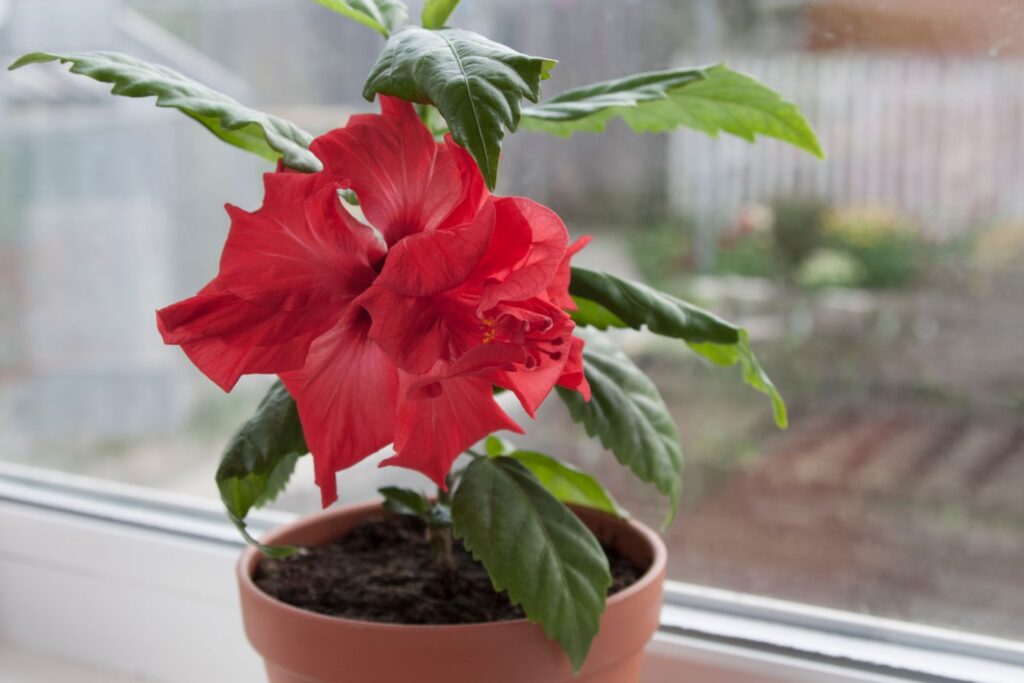
For garden planting, dig a hole slightly larger than the root ball and loosen the roots before planting. Place the plant in the hole, fill it with soil, and water thoroughly. For container planting, use a large pot with drainage holes and fill it with a high-quality potting mix. Container-grown hibiscus can be moved indoors during extreme weather conditions.
Spacing: When planting multiple hibiscus plants in a garden, maintain a 2–3 feet distance between plants. Proper spacing ensures good air circulation, reducing the risk of pests and diseases.
4. Watering Requirements
Hibiscus plants love water but don’t tolerate soggy soil. Regular watering is essential, especially during the growing season.
- Water the plant deeply 2-3 times per week in summer or during dry spells.
- Reduce watering in winter when the plant’s growth slows.
- For potted hibiscus, ensure the top 1–2 inches of soil dry out slightly before watering again.
Pro Tip: Mulching around the base of the plant helps retain moisture, regulate soil temperature, and prevent weed growth.
5. Fertilizing Hibiscus
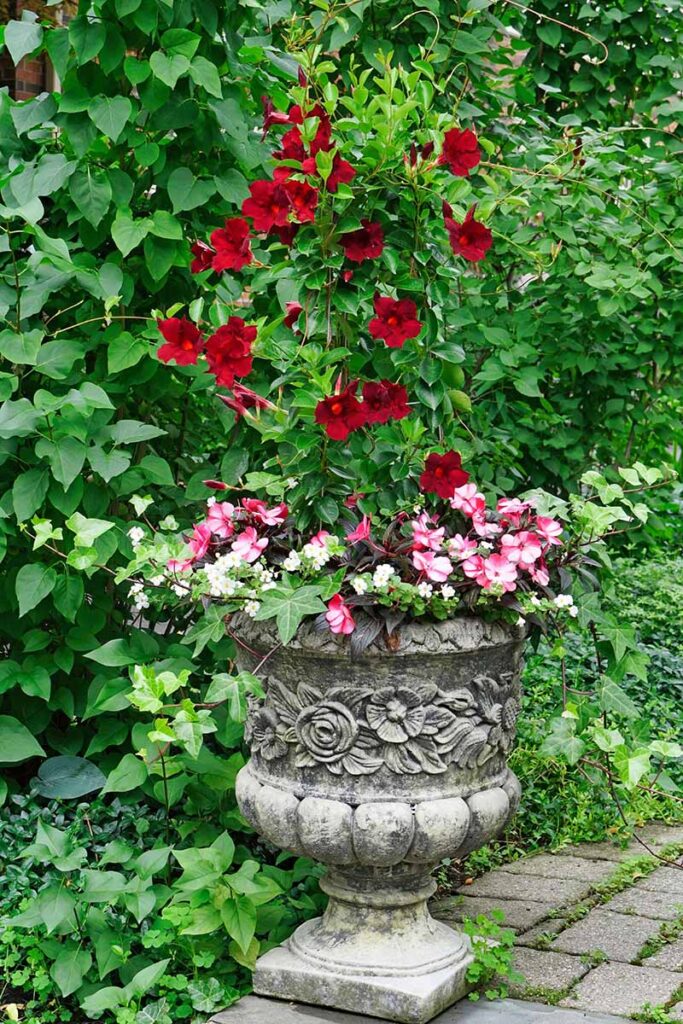
Feeding is crucial for hibiscus plants, as they are heavy feeders. A well-nourished hibiscus will bloom more frequently and maintain healthy foliage.
- Use a balanced fertilizer (NPK 10:10:10 or 20:20:20) during the growing season.
- Apply fertilizer every 4–6 weeks to encourage flowering and strong growth.
- Organic alternatives like compost, cow dung, bone meal, or seaweed extract can also be used for healthier blooms.
Tip: Avoid over-fertilization with nitrogen, as it promotes leaf growth but reduces flowering.
6. Pruning Hibiscus for Better Blooms
Pruning is one of the most important steps to maintain the shape of your hibiscus and encourage continuous flowering.
- Prune in early spring before new growth begins.
- Remove dead, damaged, or weak branches, as well as any crossing stems.
- Trim tips of branches to encourage bushier growth.
- Deadhead spent flowers regularly to redirect the plant’s energy toward new blooms.
Pruning not only improves the plant’s appearance but also enhances air circulation, reducing pest and disease problems.
7. Managing Pests and Diseases

Hibiscus plants can be prone to pests like aphids, whiteflies, mealybugs, and spider mites. Common diseases include leaf spot, root rot, and fungal infections.
- Inspect plants regularly for signs of pests or disease.
- Spray with neem oil or insecticidal soap for pest control.
- Ensure proper watering and spacing to prevent fungal infections.
- Remove and destroy infected leaves or flowers immediately.
With preventive care, most hibiscus plants remain healthy and bloom continuously.
8. Seasonal Care for Hibiscus
Understanding seasonal care helps your hibiscus thrive year-round:
- Spring: Start fertilizing, pruning, and watering regularly to prepare the plant for active growth.
- Summer: Maintain deep watering, monitor for pests, and deadhead spent flowers for continuous blooms.
- Autumn: Gradually reduce watering and stop fertilization as the plant prepares for dormancy.
- Winter: Protect tropical hibiscus from frost by moving potted plants indoors or covering garden plants with mulch or frost cloth.
Tip: Hardy hibiscus may survive mild frost outdoors but will require some protection in colder regions.
9. Propagation of Hibiscus
Hibiscus can be propagated easily through cuttings:
- Select a healthy stem 4–6 inches long.
- Remove the lower leaves, leaving a few at the top.
- Dip the cut end in rooting hormone and plant it in a pot with moist potting mix.
- Cover with a plastic bag to maintain humidity and keep in a warm, bright location.
- Roots should develop within 4–6 weeks, after which the new plant can be transplanted.
Propagation allows gardeners to grow multiple hibiscus plants without purchasing new ones.
10. Common Mistakes to Avoid
- Insufficient sunlight: Hibiscus plants need at least 6 hours of sunlight to bloom.
- Overwatering: Can lead to root rot and yellowing leaves.
- Neglecting pruning: Leads to leggy plants with fewer flowers.
- Excess nitrogen: Promotes leaf growth at the expense of flowers.
- Ignoring pests and diseases: Early treatment prevents major damage.
Avoiding these mistakes ensures a thriving, flowering hibiscus plant.
Conclusion
Hibiscus plants are a wonderful addition to any garden, balcony, or indoor space, offering vibrant color and tropical charm. By selecting the right variety, planting in optimal conditions, and following regular care routines—including watering, fertilizing, pruning, and pest management—you can enjoy a garden full of blooming hibiscus year-round.
Whether you are a beginner gardener or an experienced plant enthusiast, these tips make it simple to grow healthy, flowering hibiscus plants. With a little care and attention, your hibiscus will reward you with stunning blooms, brightening your home and garden with its exotic beauty.
Start today, and watch as your hibiscus plants transform your garden into a colorful paradise.