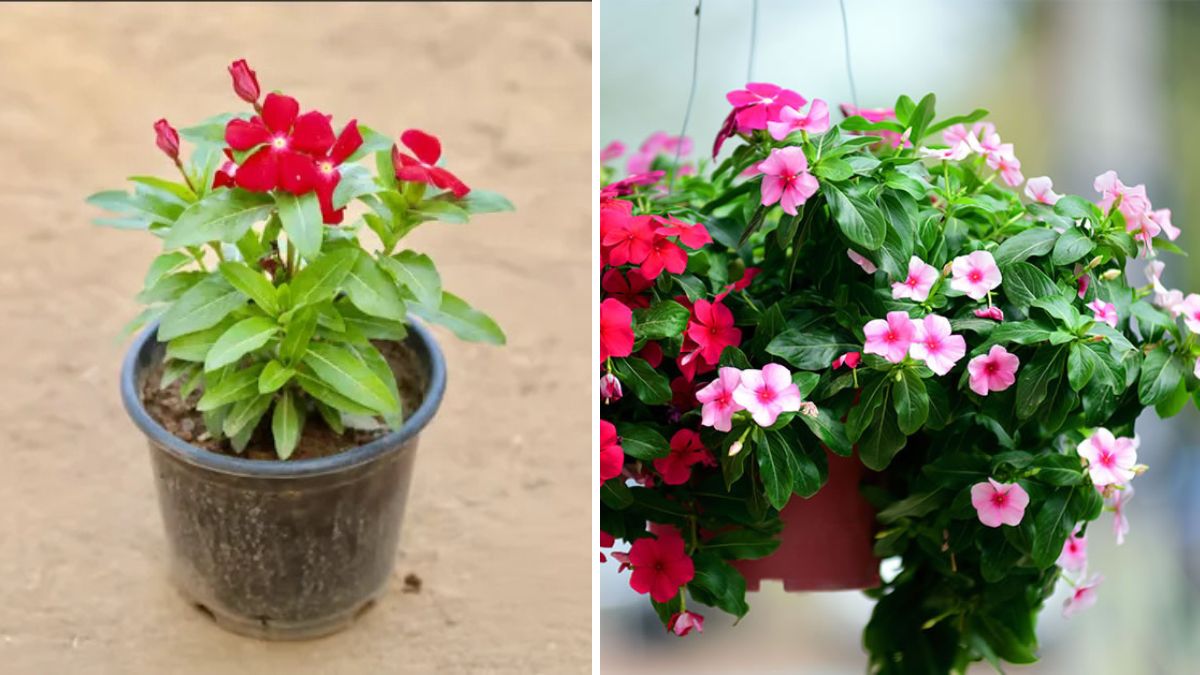
Vinca rosea, commonly known as Periwinkle or Sadabahar, is a hardy, evergreen flowering plant admired for its bright, beautiful blooms and medicinal properties. With flowers in shades of pink, white, red, and purple, it is perfect for both indoor and outdoor container gardening. Growing Vinca rosea in pots is ideal for those with limited garden space, balconies, or terraces. This guide will walk you through everything you need to know—from selecting pots and soil to planting, watering, fertilizing, and maintaining your Periwinkle plants for continuous flowering.
Why Grow Vinca Rosea in Pots?
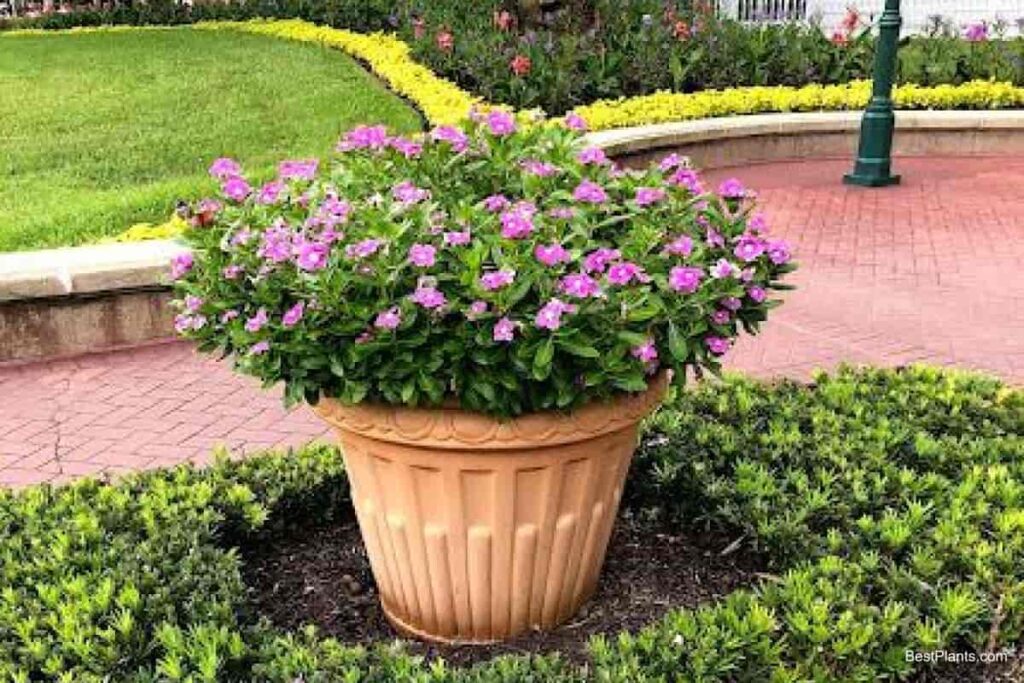
- Space-Saving – Perfect for balconies, patios, and small gardens.
- Easy Maintenance – Low maintenance and drought-tolerant.
- Continuous Blooms – Flowers almost year-round under the right care.
- Medicinal Benefits – Used in traditional medicine for its anti-diabetic and anti-inflammatory properties.
- Versatility – Can be grown indoors, outdoors, or in mixed container gardens.
Materials Needed for Pot Cultivation

- Healthy Vinca rosea seeds or seedlings
- Pots with drainage holes (6–12 inches or larger depending on plant size)
- Well-draining potting mix (garden soil, compost, and sand in a 2:1:1 ratio)
- Fertilizer (balanced NPK or bloom-promoting type)
- Watering can or spray bottle
- Mulch (optional)
Update Tip: Use pots with wide openings to allow proper airflow and sunlight exposure to the plants.
Step-by-Step Guide to Growing Vinca Rosea in Pots
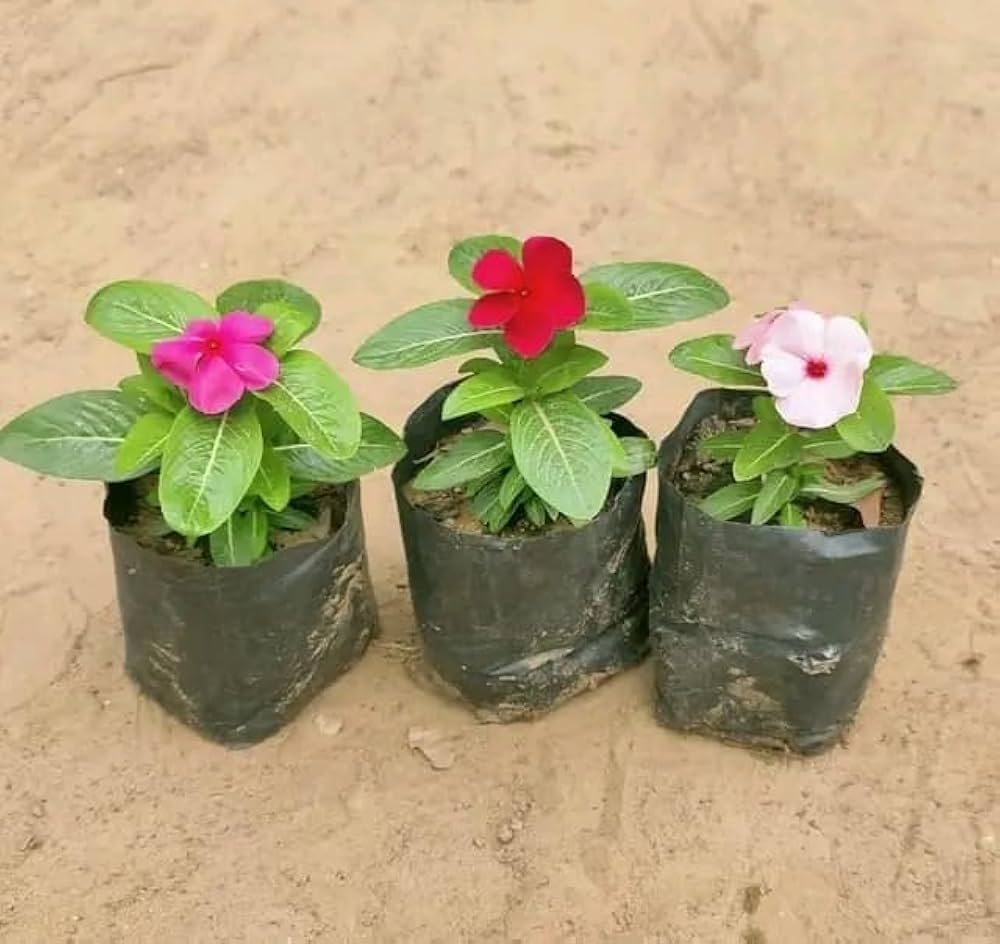
Step 1: Choosing the Right Pot
- Use pots with drainage holes to prevent waterlogging.
- Terracotta, ceramic, or plastic pots are all suitable, but terracotta is ideal for better airflow.
- Choose a pot size appropriate to your plant; larger pots encourage better root growth and longer blooming.
Tip: For multiple plants, use a wide container and maintain 6–8 inches spacing between seedlings.
Step 2: Preparing the Potting Mix
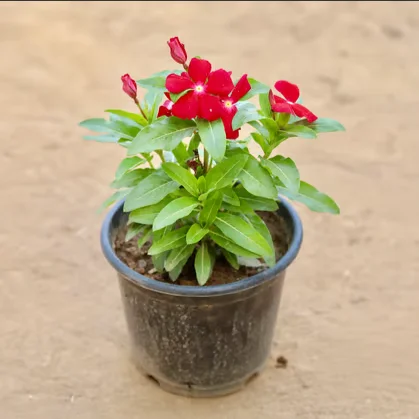
- Vinca rosea thrives in well-draining soil.
- Mix garden soil with compost and sand in a 2:1:1 ratio.
- Ensure the soil is loose to allow roots to expand freely.
- Optional: Add perlite or vermiculite to improve aeration.
Update Tip: Avoid heavy clay soils that retain too much water, which can cause root rot.
Step 3: Planting Seeds or Seedlings
For Seeds:
- Sow seeds 0.25–0.5 cm deep in the soil.
- Water lightly to settle the soil.
- Keep the soil moist until germination, usually 7–14 days.
For Seedlings:
- Make a hole in the soil slightly larger than the root ball.
- Place the seedling carefully and cover the roots with soil.
- Water gently to settle the soil around the plant.
Tip: Plant seedlings or seeds in early morning or evening to avoid harsh sunlight stress.
Step 4: Sunlight and Placement
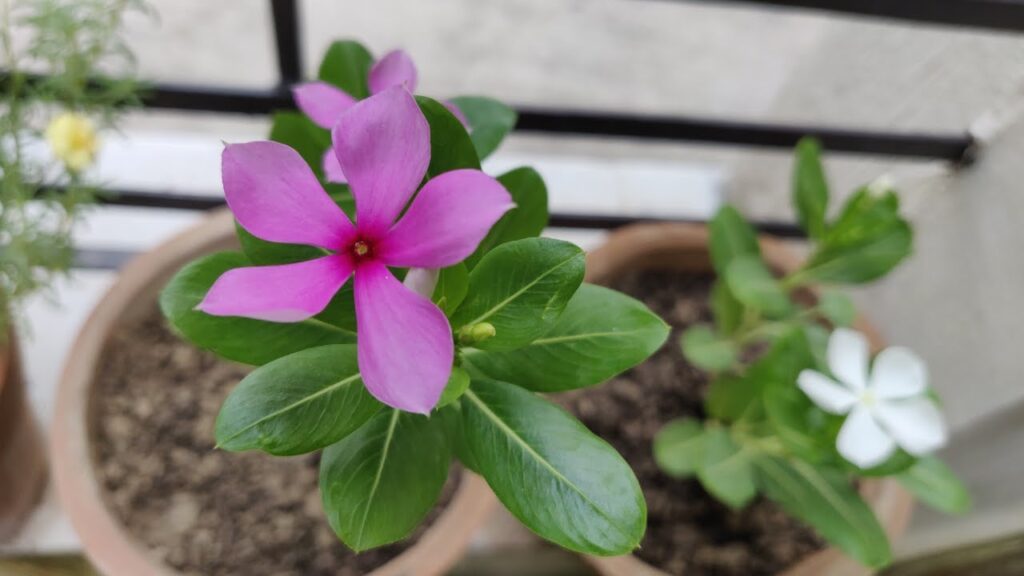
- Vinca rosea requires full sun to partial shade for healthy growth and flowering.
- Place pots where plants receive 4–6 hours of sunlight daily.
- Indoors, keep plants near a bright window or use grow lights if necessary.
Update Tip: Rotate pots occasionally to ensure uniform growth and prevent leaning toward sunlight.
Step 5: Watering Requirements
- Water Vinca rosea regularly but allow the topsoil to dry slightly between watering.
- Overwatering can cause root rot; under-watering may reduce flowering.
- Established plants are drought-tolerant but perform best with moderate, consistent moisture.
Tip: Water early in the morning or late in the evening to reduce evaporation.
Step 6: Fertilization
- Use a balanced fertilizer (NPK 10:10:10) every 4–6 weeks for overall growth.
- During flowering, apply a bloom-promoting fertilizer high in phosphorus (NPK 10:30:10) to encourage more flowers.
- Liquid fertilizers can be used for quick absorption and healthier blooms.
Update Tip: Avoid excessive nitrogen, as it promotes foliage over flowering.
Step 7: Pruning and Maintenance
- Pinch off spent flowers regularly to encourage continuous blooming.
- Trim leggy or overgrown branches to maintain a bushy shape.
- Remove yellowing or diseased leaves promptly.
Tip: Regular pruning improves airflow and reduces the risk of fungal infections.
Propagation of Vinca Rosea
Vinca rosea can be propagated via:
- Seeds – Fast, easy, and produces multiple plants.
- Stem Cuttings – Cut healthy 4–6 inch stems, remove lower leaves, and plant in moist soil or water until roots develop.
Update Tip: Cuttings produce genetically identical plants, preserving flower color and characteristics.
Common Problems and Solutions
- Yellowing Leaves – Caused by overwatering, poor drainage, or nutrient deficiency.
- Solution: Adjust watering, improve soil drainage, and apply balanced fertilizer.
- Poor Flowering – Often due to low sunlight, overcrowding, or nutrient imbalance.
- Solution: Move pots to brighter areas, thin seedlings, and use bloom-promoting fertilizer.
- Pests – Aphids, mealybugs, and spider mites may appear.
- Solution: Spray neem oil or insecticidal soap to control infestations.
- Fungal Issues – Root rot or leaf spots can occur in humid conditions.
- Solution: Avoid waterlogging, ensure proper spacing, and remove affected leaves.
Tips for a Vibrant Vinca Pot Garden
- Cluster Planting: Plant multiple pots together for a more colorful display.
- Color Variety: Mix pink, white, red, and purple varieties for a cheerful arrangement.
- Container Arrangement: Use hanging pots, tiered stands, or decorative pots for aesthetic appeal.
- Seasonal Care: Water more frequently during summer, but reduce watering during heavy rains.
- Fertilization Schedule: Keep a consistent fertilization schedule to ensure year-round blooms.
Update Tip: Use mulch around the base of plants to conserve moisture and regulate soil temperature.
Medicinal Benefits of Vinca Rosea
- Traditionally used for diabetes management, as it contains alkaloids like vincristine and vinblastine.
- Has anti-inflammatory properties for minor skin ailments.
- Leaves can be used in home remedies for certain digestive and fever-related issues.
Note: Always consult a healthcare professional before using plants medicinally.
Advantages of Growing Vinca Rosea in Pots
- Portability – Move pots indoors during extreme weather or reposition for sunlight.
- Controlled Environment – Easier to manage soil, water, and fertilizer compared to garden beds.
- Continuous Blooms – Regular pruning and fertilization keep flowers blooming longer.
- Visual Appeal – Ideal for terraces, patios, balconies, or indoor decoration.
Conclusion
Growing Vinca rosea (Periwinkle/Sadabahar) in pots is an excellent way to add color, greenery, and low-maintenance beauty to your home garden. By following proper steps—selecting the right pots, preparing well-draining soil, planting seeds or seedlings, providing adequate sunlight, watering appropriately, fertilizing, and maintaining plants—you can enjoy vibrant blooms almost year-round.
Vinca rosea is not only ornamental but also offers medicinal benefits, making it a valuable addition to any garden. Whether you’re a beginner or an experienced gardener, pot cultivation ensures healthy growth, continuous flowering, and the flexibility to decorate indoor and outdoor spaces beautifully.
Start growing Vinca rosea today, and transform your pots and balcony into a colorful floral paradise!