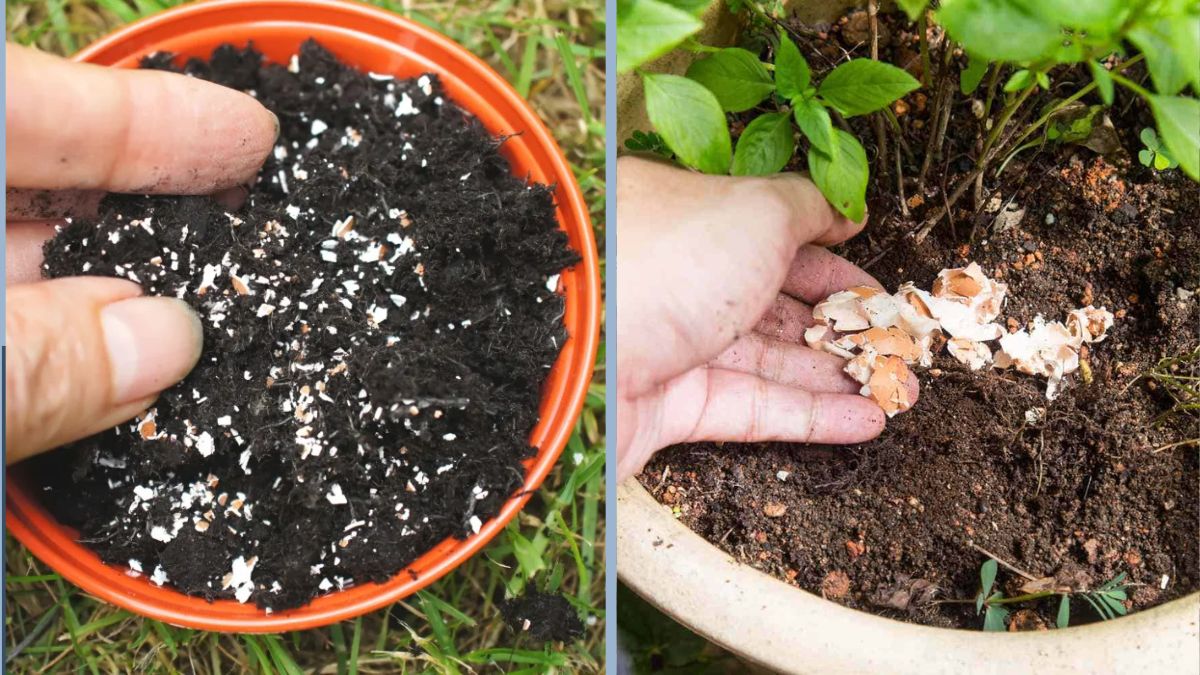
For years, I’ve treated eggshells as a mere kitchen waste product. I would crack open the eggs, use the contents for cooking, and toss the shells straight into the trash. Little did I know that those seemingly useless shells could become one of the most versatile and beneficial tools in my garden.
It wasn’t until I started reading about natural gardening hacks and sustainable practices that I realized eggshells aren’t just biodegradable — they are a treasure trove of nutrients and pest-fighting properties. Since then, I’ve stopped throwing them away completely, and my garden has never looked healthier or more productive.
Here’s the clever way I reuse eggshells in my garden, why it works, and some creative ideas for turning this kitchen scrap into gardening gold.
Why You Should Never Throw Away Eggshells
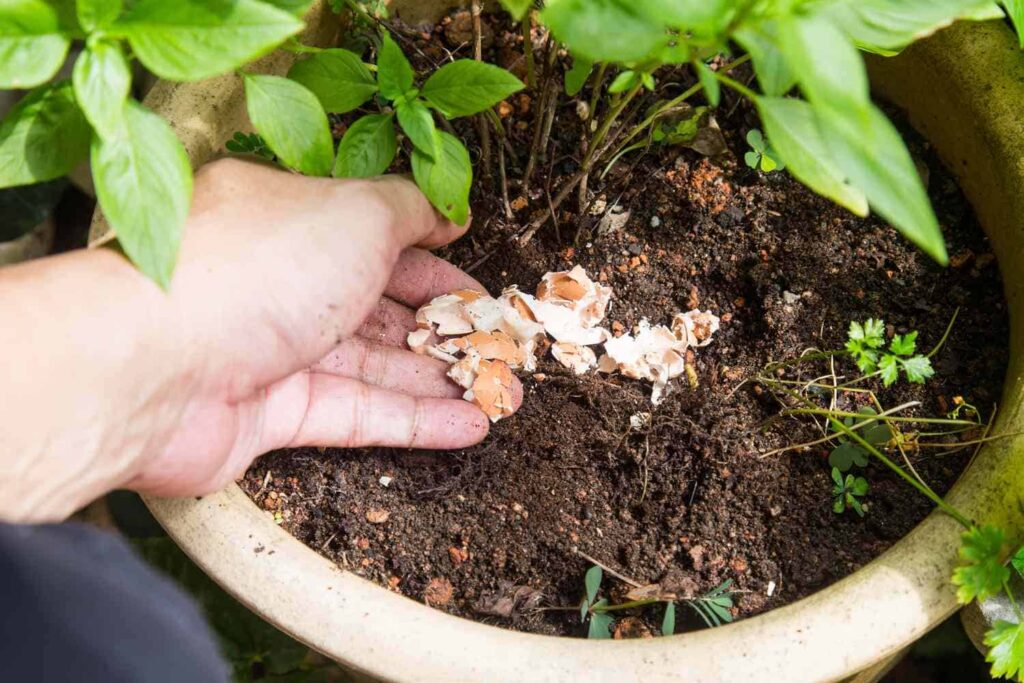
Eggshells are much more than waste — they’re a natural resource packed with nutrients. Here’s why they’re so valuable for your garden:
- Rich in Calcium: Eggshells are primarily composed of calcium carbonate, which is essential for strong cell walls in plants. Adding calcium to your soil can prevent blossom end rot in tomatoes, peppers, and eggplants.
- Trace Minerals: Eggshells contain other minerals like magnesium, potassium, and phosphorus, which help support healthy plant growth.
- Soil Amendment: Crushed eggshells improve soil structure, aeration, and drainage. They can make heavy clay soils lighter and more workable.
- Pest Deterrent: Crushed shells around plants can deter slugs, snails, and other soft-bodied pests from feasting on your seedlings.
Once I understood their benefits, tossing eggshells in the trash felt like throwing money away — literally.
How I Prepare Eggshells for the Garden
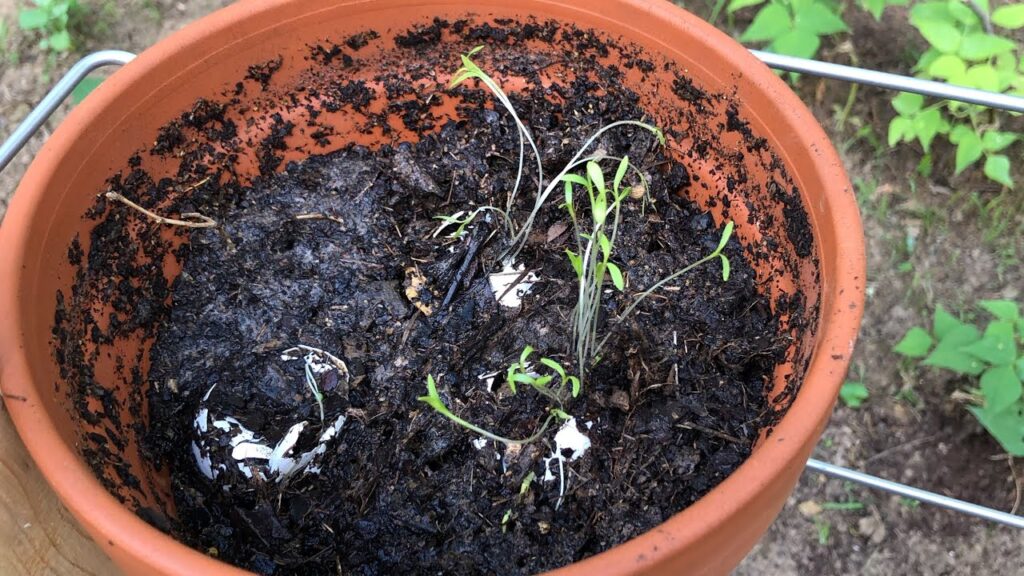
The key to getting the most out of eggshells is preparation. Here’s the method I’ve found most effective:
Step 1: Collect and Clean
I keep a small container in my kitchen for eggshells. After using eggs, I rinse the shells under cold water to remove any leftover egg residue. This reduces odor and helps prevent attracting unwanted pests.
Step 2: Dry Completely
Next, I let the shells air dry for a day or two. Some people prefer to bake them briefly in the oven at a low temperature to ensure they’re fully dry — this also makes them easier to crush.
Step 3: Crush or Grind
Depending on the intended use, I either crush the shells by hand for coarse pieces or grind them into a fine powder using a mortar and pestle or food processor. Coarse pieces are great for pest deterrence, while finely ground shells are ideal for adding calcium to the soil.
Step 4: Store for Future Use
I keep crushed or powdered eggshells in an airtight container until I’m ready to use them in the garden. This simple step ensures I always have a ready supply of this natural fertilizer.
The Clever Ways I Use Eggshells in My Garden
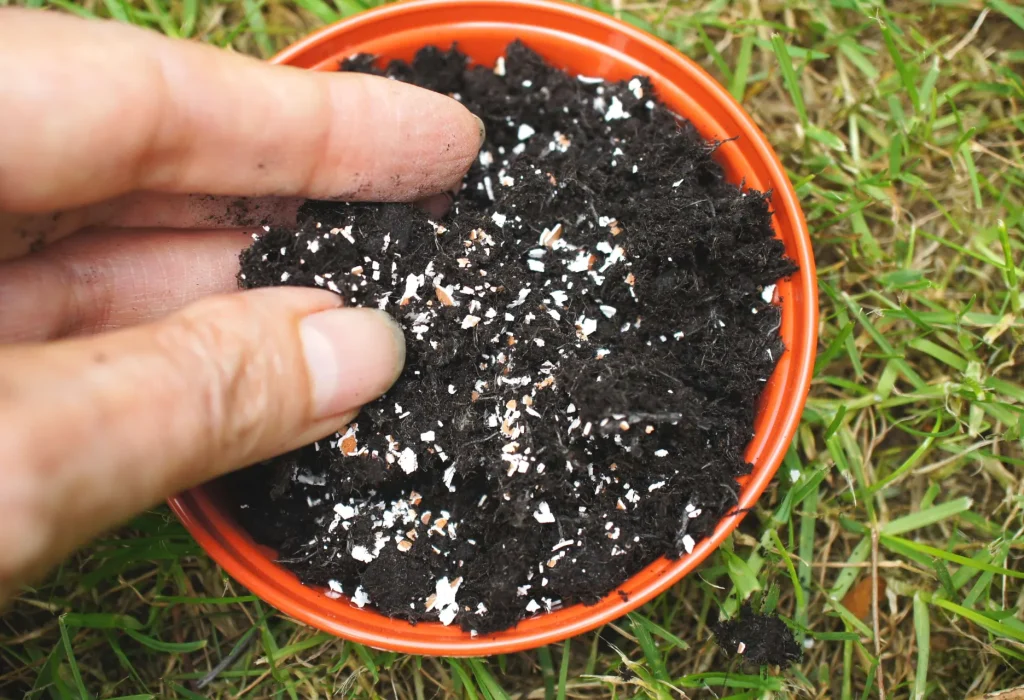
Once prepared, eggshells can be used in numerous ways to benefit your plants and soil. Here are the methods I use regularly:
1. Preventing Blossom End Rot in Tomatoes
Tomatoes, peppers, and eggplants are notorious for developing blossom end rot when calcium levels are low. To prevent this, I sprinkle finely ground eggshell powder around the base of these plants. Over time, rain and watering help release calcium into the soil, keeping fruits healthy and preventing blackened, sunken spots.
2. Improving Soil Quality
I mix crushed eggshells into garden beds and potting soil. This improves aeration and drainage while slowly releasing calcium and other minerals. My vegetables grow sturdier, and my flowers bloom more vibrantly.
3. Deterring Pests
Soft-bodied pests like slugs and snails hate crawling over sharp eggshell edges. I scatter crushed shells around seedlings, and they act as a natural barrier, reducing the need for chemical pesticides. This is especially useful in raised beds or small garden plots.
4. Seed Starters
I’ve even started using eggshell halves as mini seedling pots. I poke a small drainage hole in the bottom, fill them with soil, plant seeds, and watch them grow. When the seedlings are ready for transplanting, I crush the eggshell into the soil — no transplant shock, plus extra nutrients!
5. Composting
Eggshells break down slowly, making them perfect for compost piles. They add calcium to compost and help maintain a balanced pH. I always crush them first to speed up decomposition and mix them with other compost materials.
6. pH Balancing for Acidic Soil
If your garden soil is too acidic, ground eggshells can help neutralize it over time. The calcium carbonate acts like a natural lime, slowly raising the soil’s pH to a more neutral level.
Why This Method Works
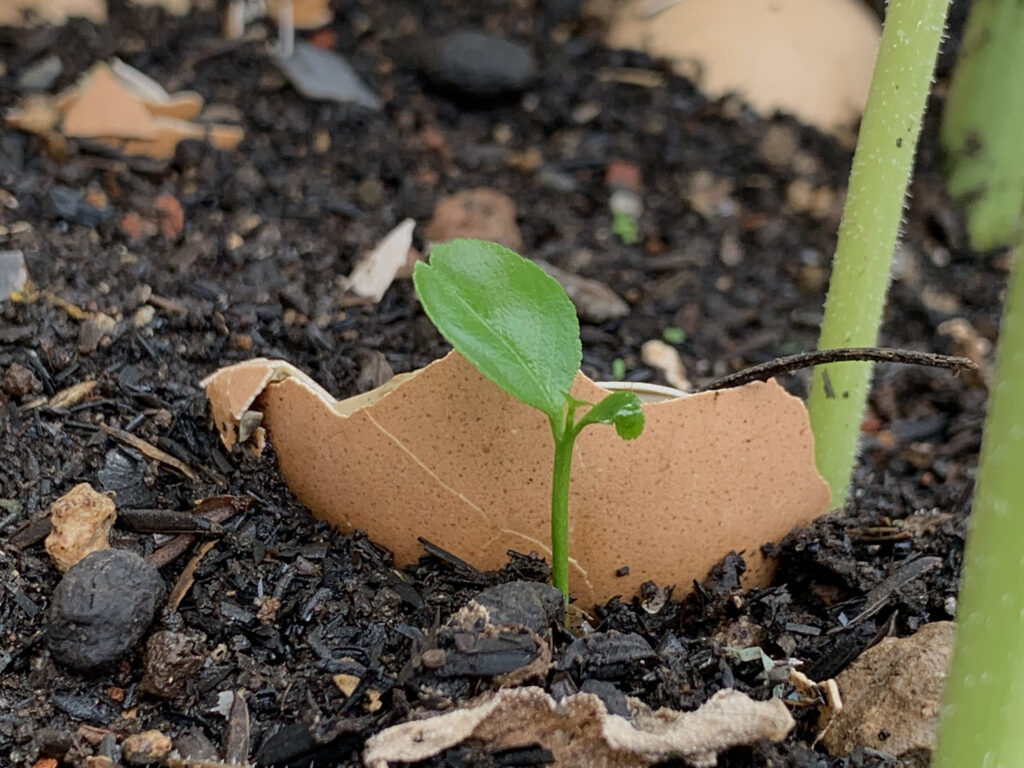
Eggshells are so effective because they serve multiple functions at once:
- Natural Fertilizer: They feed plants essential minerals.
- Pest Deterrent: They protect delicate seedlings without chemicals.
- Soil Conditioner: They improve texture, drainage, and aeration.
- Sustainable: Using eggshells reduces kitchen waste and promotes eco-friendly gardening.
I was amazed at how one simple kitchen scrap could simultaneously protect, feed, and enrich my garden.
Tips for Maximizing Eggshell Benefits
Here are some additional tips I’ve learned from experience:
- Use Fresh Eggshells: The fresher the eggshell, the more effective it is. Store-bought shells work, but the natural calcium content is highest in fresh eggs.
- Grind Finely for Nutrient Release: Powdered shells release calcium faster than large, coarse pieces.
- Mix With Coffee Grounds or Compost: Combining eggshells with other organic materials enhances their nutrient delivery.
- Keep Shells Dry: Moist shells can develop mold in storage. Dry them thoroughly before crushing.
- Don’t Overdo It: While beneficial, eggshells should complement other fertilizers and compost, not replace them entirely.
Creative Gardening Hacks With Eggshells
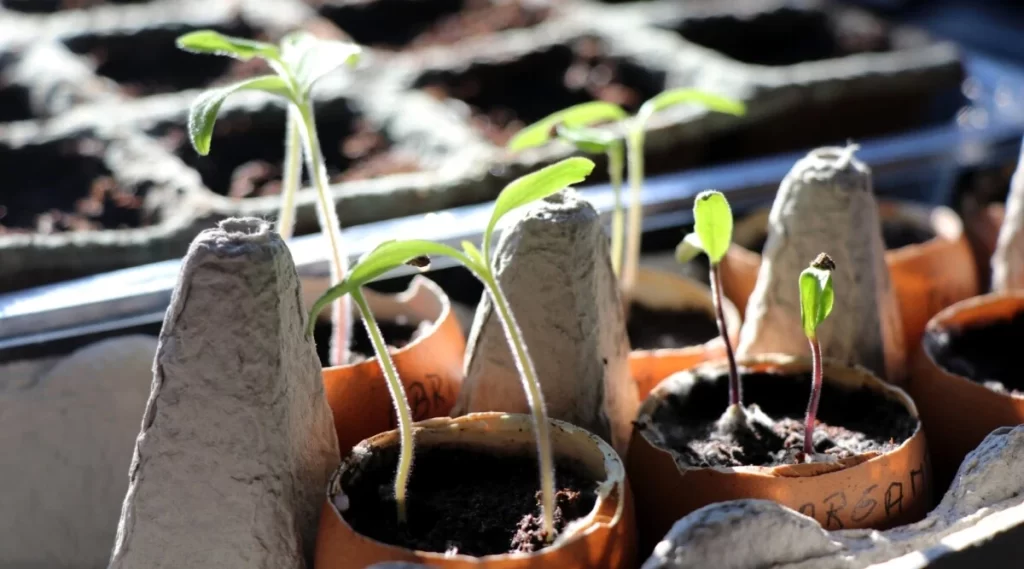
Besides the basic uses, I’ve experimented with some creative ways to maximize eggshells in my garden:
- DIY Plant Labels: Use the inside of eggshell halves to write plant names with a marker. Plant them upside down next to seedlings.
- Herb Garden Boost: Crush shells and sprinkle around delicate herbs like basil or parsley to boost calcium uptake.
- Mulch for Potted Plants: Coarse eggshells on the soil surface help retain moisture and deter pests in container gardens.
Why I’ll Never Throw Away Eggshells Again
What started as a simple curiosity turned into a full-blown gardening habit. Reusing eggshells has:
- Reduced Waste: My kitchen scraps are now part of a productive cycle rather than filling the trash.
- Strengthened Plants: My tomatoes, peppers, and flowers are healthier than ever.
- Cut Costs: I use what I already have, reducing the need for store-bought fertilizers or pest deterrents.
- Enhanced Sustainability: Reusing eggshells is a small but meaningful step toward eco-friendly gardening.
It’s amazing how a tiny, discarded item can have such a powerful impact. My garden has never looked better, and it feels rewarding to know I’m recycling naturally.
Final Thoughts
If you’ve ever tossed eggshells into the trash, it’s time to rethink your habit. These small, everyday kitchen scraps are packed with nutrients, naturally deter pests, and improve soil quality — all while helping you garden sustainably.
Here’s a simple summary of my approach:
- Collect and clean eggshells after use.
- Dry completely and crush or grind as needed.
- Sprinkle around plants to add calcium and trace minerals.
- Use coarse shells as pest deterrents or seed starter pots.
- Mix with compost or soil to improve texture and nutrient content.
By repurposing eggshells, I’ve transformed a simple kitchen waste product into a versatile, eco-friendly gardening tool. From preventing blossom end rot to deterring pests and enriching the soil, eggshells have become one of the most valuable items in my garden.
Stop tossing them — your plants, soil, and wallet will thank you!