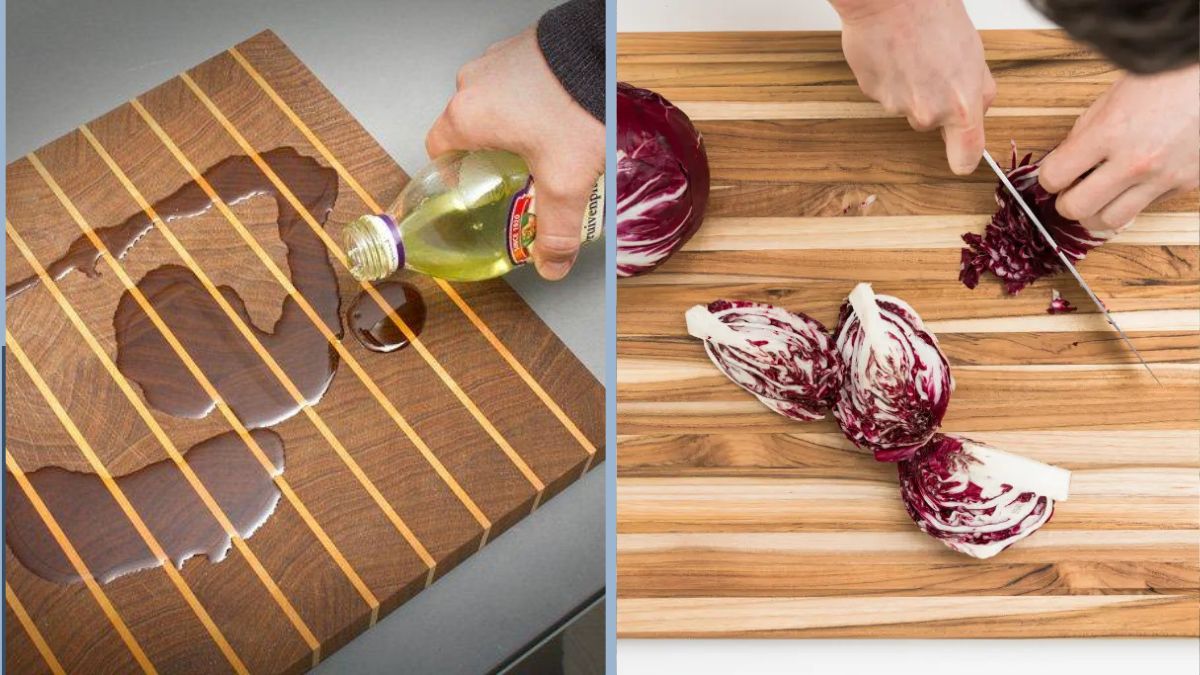
Wooden cutting boards are beautiful, durable, and incredibly versatile. But if you’ve ever owned one for more than a few months, you know they can start to look tired. Faint knife marks, minor cracks, dull surfaces, and stains from fruits, vegetables, or raw meats can make a once-pristine cutting board look worn and neglected.
I love cooking, and I rely on my wooden cutting board almost every day. Over time, it started looking scratched and dull, and I was worried it would eventually become unsanitary. I tried scrubbing, washing, and even leaving it to soak in water briefly (a big no-no for wood!). Nothing really restored its original luster — until I discovered a simple, natural solution: rubbing olive oil on my wooden cutting board.
After a single treatment, my board looked refreshed, nourished, and surprisingly like new. Here’s my experience, why it works, and how you can do the same at home.
Why Wooden Cutting Boards Lose Their Shine
Wood is naturally porous and absorbs water, oils, and food particles over time. This can lead to:
- Fading and Dullness: Constant use and washing remove the natural oils in the wood.
- Knife Marks and Scratches: Even careful chopping leaves faint scars that accumulate over time.
- Stains and Discoloration: Ingredients like beets, turmeric, or tomatoes can leave lasting marks.
- Drying and Cracking: Without proper care, the wood can dry out, leading to splits or warping.
To keep a cutting board functional, safe, and attractive, regular maintenance is essential. That’s where olive oil comes in.
Why Olive Oil Works
Olive oil is not just for cooking — it’s also a natural wood conditioner. Here’s why it’s effective:
- Restores Moisture: Wood loses its natural oils from washing and use. Olive oil penetrates the surface, restoring flexibility and preventing cracks.
- Protects Against Stains: Oiling creates a barrier that helps resist future stains from fruits, vegetables, or liquids.
- Enhances Appearance: The oil highlights the natural grain of the wood, making it look richer and more polished.
- Safe for Food Surfaces: Olive oil is non-toxic, making it perfect for boards used for food preparation.
Some people recommend mineral oil for cutting boards, and while it’s effective, I found olive oil works just as well, is inexpensive, and naturally available in every kitchen.
Step-by-Step: How I Restored My Wooden Cutting Board
Here’s the process I used to bring my board back to life:
Step 1: Clean the Board Thoroughly
Before applying any oil, I scrubbed the board with warm water and mild dish soap. I used a sponge or brush to remove any stuck-on residue. Never soak a wooden board in water, as this can warp or crack the wood. After cleaning, I wiped it dry with a clean towel.
Step 2: Sanitize (Optional)
For extra freshness, I sprinkled coarse salt over the board and rubbed half a lemon over the surface. This naturally disinfects and removes lingering odors. Afterward, I rinsed and dried the board completely.
Step 3: Apply Olive Oil
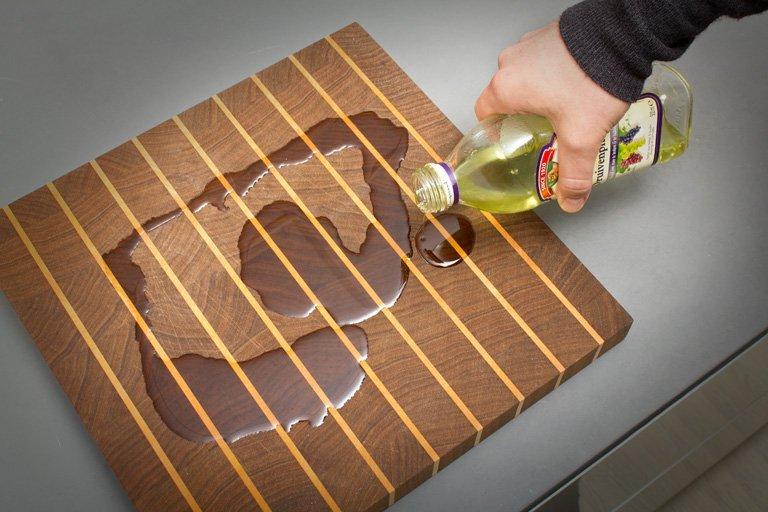
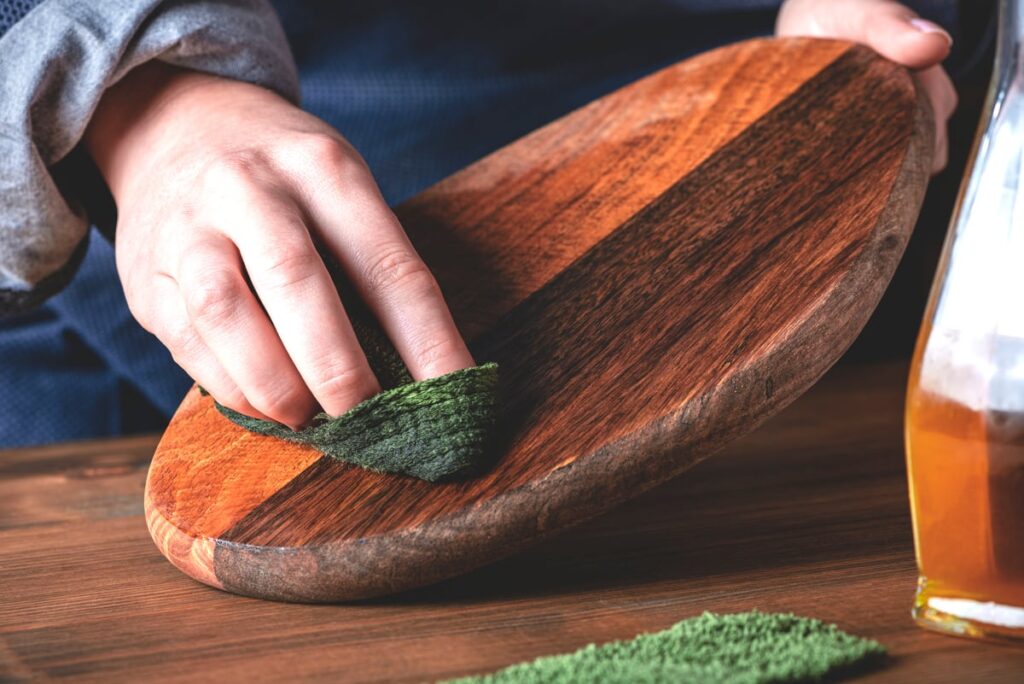
Using a clean cloth or paper towel, I poured a small amount of olive oil onto the board and rubbed it in using circular motions, ensuring full coverage. I made sure to coat the top, edges, and bottom. A little oil goes a long way, so I didn’t overdo it.
Step 4: Let It Absorb
I let the board sit for a few hours, or even overnight if possible. This allows the wood to absorb the oil fully, restoring moisture and shine.
Step 5: Wipe Off Excess
After absorption, I wiped off any leftover oil with a clean cloth. The surface looked smooth, nourished, and vibrant — ready for use.
The Results
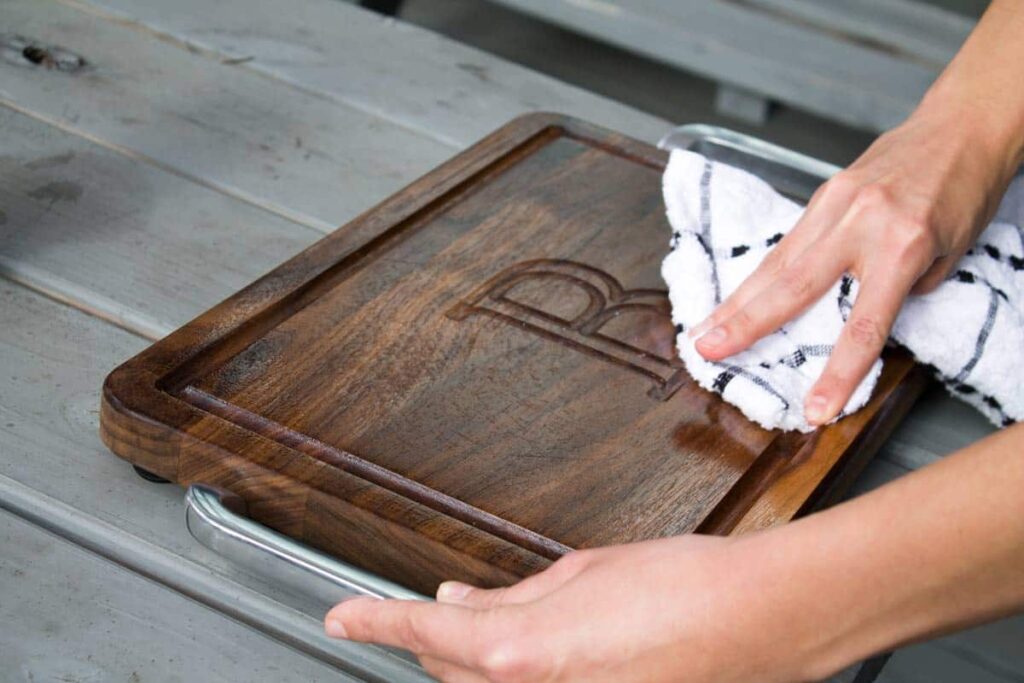
The transformation was immediate:
- Visible Grain: The natural wood grain popped beautifully, making the board look almost brand new.
- Smooth Surface: Knife marks seemed less prominent, and the board felt silky under my fingers.
- Moisturized Wood: The board no longer felt dry or rough, reducing the risk of future cracks.
- Ready for Food Prep: The board smelled neutral and safe for chopping, slicing, and dicing.
It was incredible how a simple kitchen staple like olive oil could breathe life back into something as practical as a cutting board.
Tips for Maintaining Wooden Cutting Boards
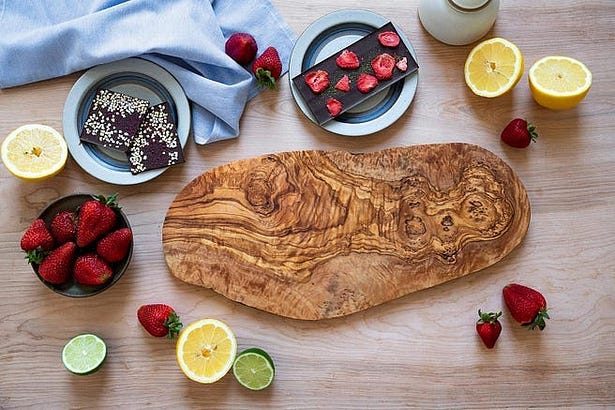
Keeping a wooden cutting board in top shape requires ongoing care. Here are some tips I follow:
- Regular Oil Treatments: Depending on usage, oil your board every 1–2 months. Frequent chopping can strip oils faster.
- Avoid Harsh Cleaning: Never soak in water or use bleach. Mild soap and warm water are enough.
- Dry Properly: Always dry boards immediately after washing. Standing water causes warping and cracks.
- Use Both Sides: Rotate sides for chopping to reduce uneven wear.
- Avoid Extreme Temperatures: Don’t place boards in dishwashers or near heat sources; high temperatures can damage wood.
- Optional Lemon and Salt Scrub: Periodically use lemon and coarse salt to remove odors and lightly exfoliate the surface.
Olive Oil vs. Mineral Oil
Some sources recommend using mineral oil instead of olive oil because it’s odorless and won’t go rancid. I’ve used both, and here’s what I found:
- Olive Oil: Readily available, natural, smells pleasant, and adds a slight sheen. Best used frequently in small amounts.
- Mineral Oil: Odorless, won’t spoil, ideal for long-term conditioning or boards that sit unused for months.
Personally, I prefer olive oil because I use my board daily. The oil absorbs quickly, and the slight aroma is completely natural.
Common Mistakes to Avoid
When caring for wooden cutting boards, I’ve learned to avoid a few common mistakes:
- Over-Oiling: Too much oil creates a sticky surface that attracts dirt.
- Skipping Cleaning: Oil applied to dirty boards locks in residue and bacteria.
- Using Vegetable Oils: Oils like canola or sunflower can go rancid, leaving a foul smell. Stick with olive or food-safe mineral oil.
- Using Heat: Avoid microwaving or oven-drying boards to speed up absorption — this can damage the wood.
Extra Benefits of Maintaining Wooden Cutting Boards
Beyond aesthetics, a well-maintained cutting board is safer and more durable:
- Reduces Bacterial Growth: Properly oiled and dried boards are less porous, reducing bacteria absorption.
- Increases Longevity: A well-cared-for wooden board can last decades.
- Improves Cooking Experience: Smoother, non-dry surfaces are easier to chop on and reduce knife wear.
- Eco-Friendly: Wooden boards are renewable, and taking care of them naturally prolongs their life, reducing waste.
Final Thoughts
Rubbing olive oil on my wooden cutting board was a game-changer. A simple, inexpensive, and natural solution restored its appearance, protected the wood, and made it safer and more enjoyable to use.
Here’s the quick takeaway:
- Clean and dry your board thoroughly.
- Optionally sanitize with lemon and salt.
- Rub a small amount of olive oil into all surfaces using circular motions.
- Let it absorb for a few hours or overnight.
- Wipe off any excess and enjoy a board that looks brand new.
Taking a few minutes to care for your cutting board transforms an everyday kitchen tool into something beautiful, long-lasting, and a pleasure to use. Whether you’re a casual cook or a seasoned chef, this simple step ensures your wooden cutting board remains a functional centerpiece in your kitchen for years to come.
After using olive oil, my board doesn’t just look new — it feels new. Knife marks are less pronounced, the wood feels nourished, and every chopping session is smoother. Sometimes, the simplest solutions are the most powerful.