Dishwashers are supposed to make life easier, not smell funky or leave residue on your dishes. But over time, even the best machines can develop odors, streaks, or a grimy buildup from leftover food, soap scum, and mineral deposits. I noticed that my dishwasher, which once worked flawlessly, had started to smell slightly musty, and some glasses came out with faint spots despite running them through a full cycle.
I tried the usual fixes: commercial dishwasher cleaners, wiping the interior with soap, even scrubbing the filter. These methods helped temporarily, but the smell always came back, and the machine never looked as sparkling as when it was new.
Then I discovered a simple, natural, and highly effective solution: vinegar. Within a single cleaning session, my dishwasher not only smelled fresh but looked spotless. It was surprisingly easy, inexpensive, and completely non-toxic. Here’s my full experience, why vinegar works so well, and how you can do it at home too.
Why Dishwashers Get Smelly and Grimy
Before diving into the solution, it helps to understand why dishwashers develop odors and buildup:
- Food Residue: Tiny bits of food often get trapped in the filter, spray arms, or the corners of the machine. Over time, these can rot or ferment, causing unpleasant smells.
- Soap Scum and Hard Water: Mineral deposits from hard water can leave streaks or cloudy spots on dishes, while leftover detergent can accumulate inside the machine.
- Moisture: Dishwashers are damp environments. If they aren’t allowed to dry fully, bacteria and mold can thrive, creating musty odors.
- Neglected Filters: Many people forget to clean the dishwasher filter regularly, allowing debris to sit and decompose.
Once I realized the source of the problem, I knew I needed a deep-clean method that addressed both odor and buildup.
Why Vinegar Works for Cleaning Dishwashers
Vinegar is a natural acid that has been used for centuries for cleaning purposes. Here’s why it’s so effective for dishwashers:
- Breaks Down Mineral Deposits: The acetic acid in vinegar dissolves hard water stains, soap scum, and limescale.
- Eliminates Odors: Vinegar neutralizes bacteria and mold responsible for unpleasant smells.
- Removes Grease: The acidity cuts through greasy residue left behind by dishes and detergent.
- Safe and Non-Toxic: Unlike harsh chemical cleaners, vinegar is safe for your household, your dishes, and the environment.
When I realized I could use vinegar to tackle both the appearance and smell of my dishwasher, I knew it was worth a try.
Step-by-Step: How I Cleaned My Dishwasher With Vinegar
Here’s my method, which took less than an hour and left my dishwasher sparkling and smelling fresh:
Step 1: Empty the Dishwasher
I started by removing all dishes, utensils, and racks. An empty dishwasher allows the vinegar to reach all surfaces without obstruction.
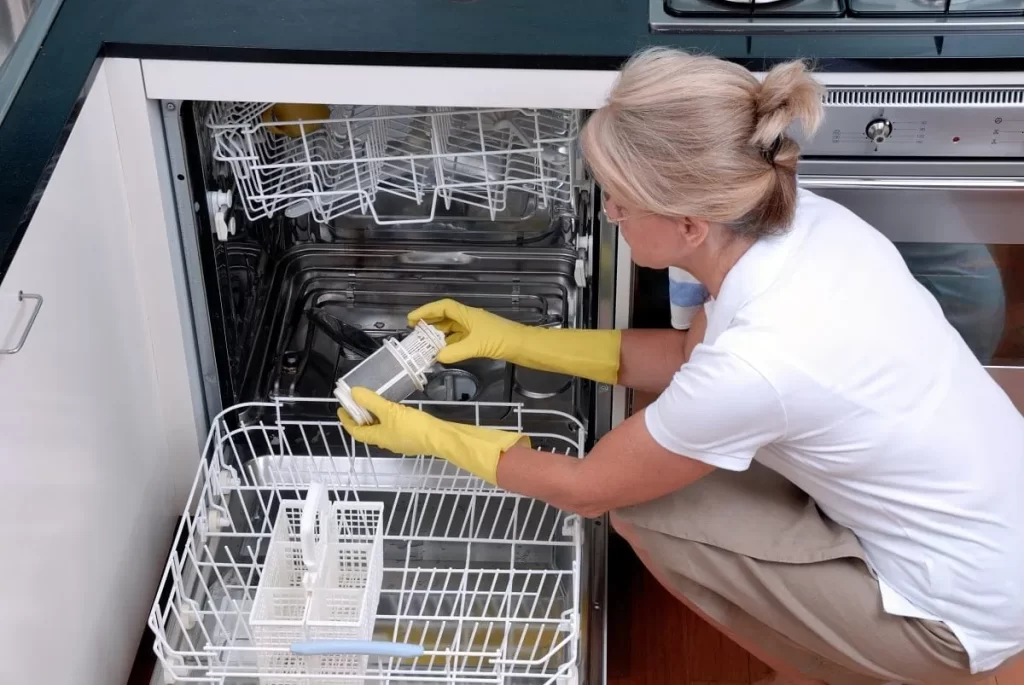
Step 2: Clean the Filter
I pulled out the filter at the bottom of the machine, rinsed it under warm water, and scrubbed it gently with a soft brush. This removes trapped food particles that could cause lingering smells.
Step 3: Wipe Down Interior Surfaces
Using a cloth or sponge, I wiped down the inside walls, edges, and corners of the dishwasher. For stubborn spots, I dipped the cloth in vinegar to help dissolve buildup.
Step 4: Place Vinegar in a Dishwasher-Safe Cup
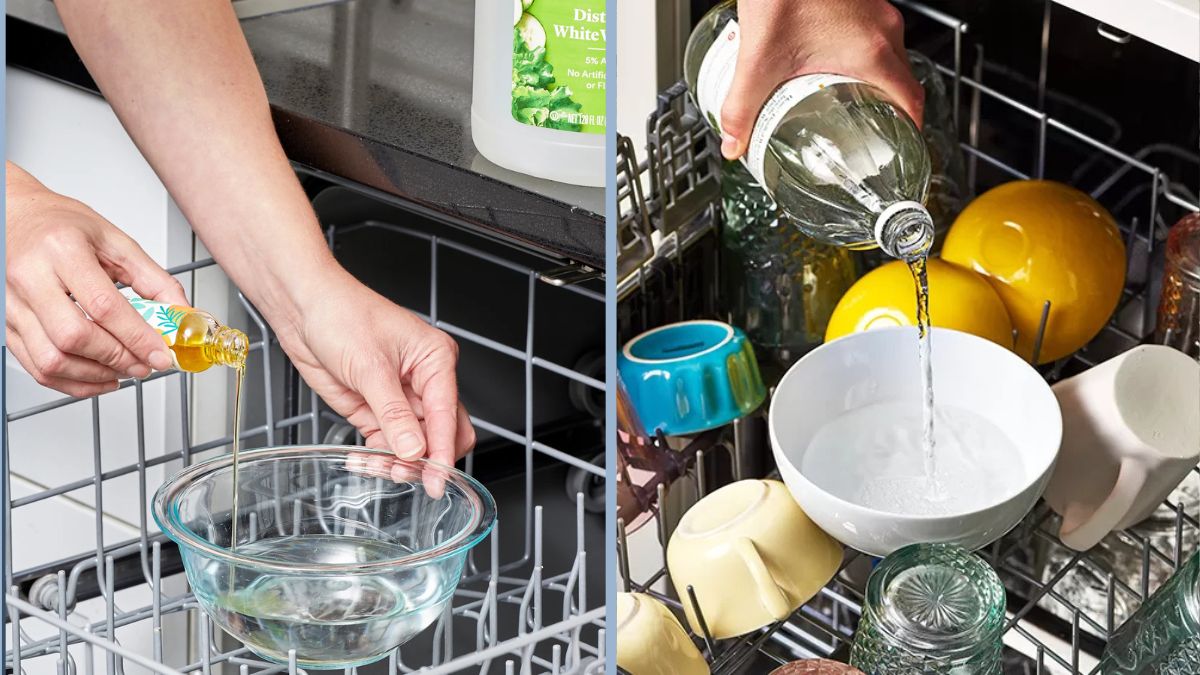
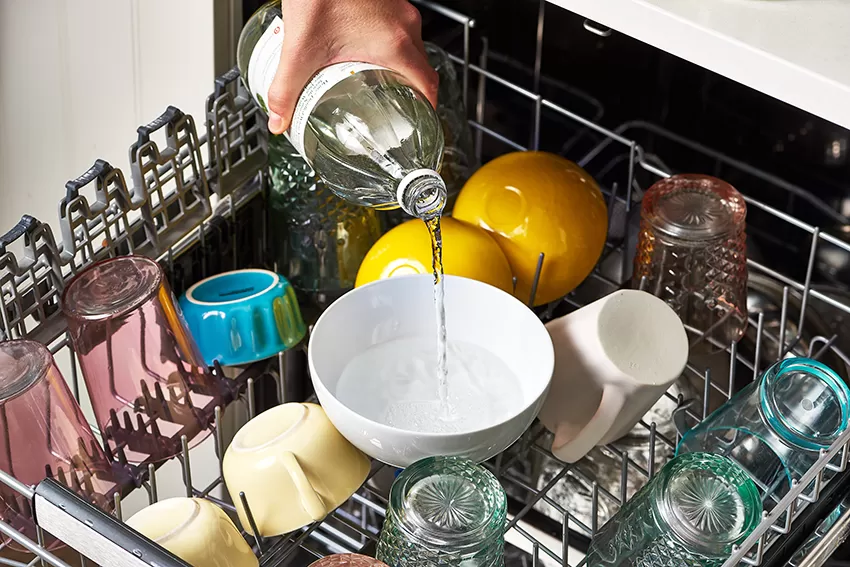
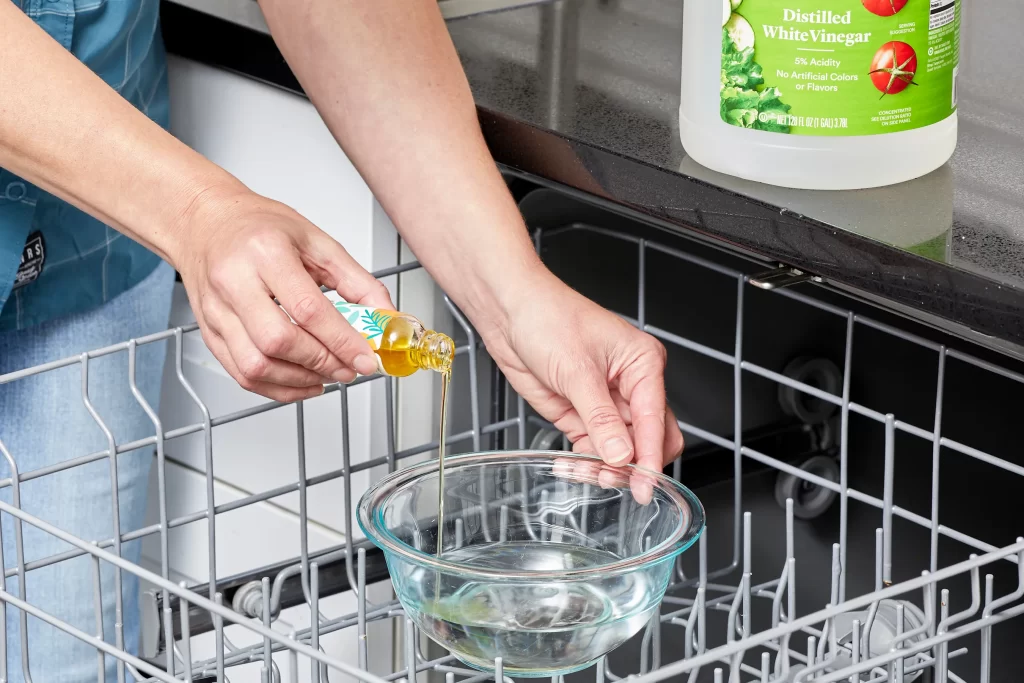
I poured one cup of white distilled vinegar into a dishwasher-safe cup or bowl and placed it on the top rack of the empty dishwasher.
Step 5: Run a Hot Water Cycle
I ran the dishwasher on a hot water cycle. The heat helps the vinegar circulate through the entire machine, cleaning spray arms, racks, and interior walls.
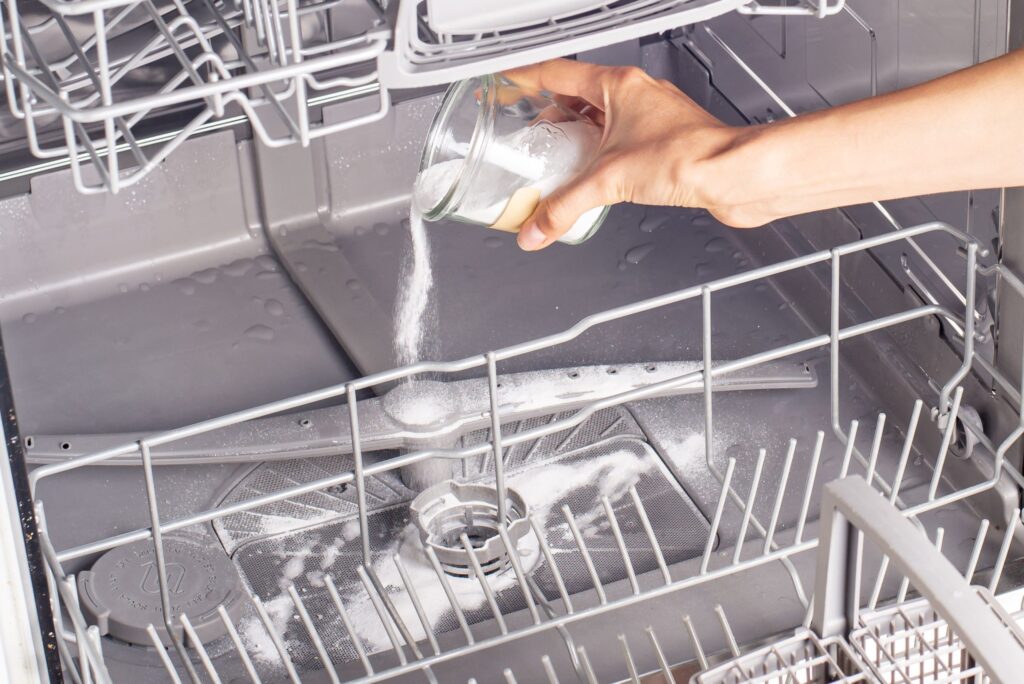
Step 6: Optional Baking Soda Rinse
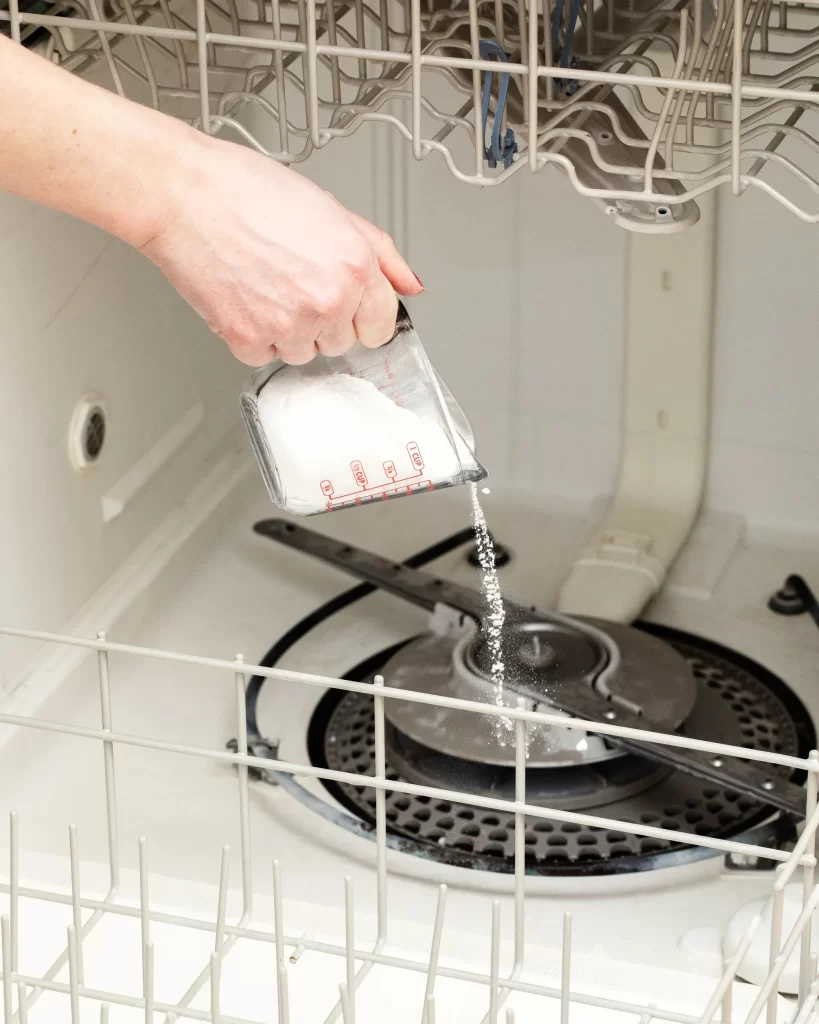
For extra sparkle, I sprinkled a cup of baking soda across the bottom of the dishwasher and ran a short hot water cycle. This helps remove any remaining stains, deodorizes, and gives the interior a bright finish.
Step 7: Wipe Down and Air Dry
After the cycles finished, I wiped down the interior again with a clean cloth and left the dishwasher door open for a while to let it air dry completely.
The Results
The difference was immediate and impressive:
- Spotless Interior: The walls, racks, and spray arms looked brand new, free from streaks or residue.
- Fresh Smell: The musty odor was gone completely, replaced by a subtle, clean vinegar scent that disappeared quickly.
- Sparkling Dishes: After the first load post-cleaning, glasses and plates came out crystal clear.
- Improved Performance: The dishwasher seemed to spray more effectively, likely because the vinegar cleared any mineral deposits in the spray arms.
It felt like I had a brand-new appliance, without spending money on commercial cleaners or harsh chemicals.
Tips for Maintaining a Clean Dishwasher
Cleaning with vinegar isn’t a one-time fix — regular maintenance ensures your dishwasher stays spotless and odor-free:
- Monthly Vinegar Clean: Run a vinegar cycle once a month to prevent buildup and maintain freshness.
- Clean the Filter Weekly: Remove food particles regularly to prevent odors from developing.
- Leave the Door Ajar: After cycles, leave the dishwasher door slightly open to allow moisture to escape and reduce mold growth.
- Use Hot Water: When washing dishes, use the hottest setting your dishes allow to reduce grease and residue.
- Check Spray Arms: Ensure the holes in spray arms aren’t clogged. Vinegar cycles help keep them clear.
Why I Prefer Vinegar Over Commercial Cleaners
Before trying vinegar, I often bought expensive dishwasher cleaning products. While some worked, I noticed:
- Many contain harsh chemicals that aren’t eco-friendly.
- Some leave a lingering chemical scent that makes me uncomfortable.
- Results were temporary, and odors often returned within weeks.
Vinegar is natural, inexpensive, and readily available. It’s gentle on the dishwasher but tough on buildup and odors. For me, it’s a no-brainer.
Creative Uses for Vinegar in Dishwasher Maintenance
Vinegar isn’t just for a deep clean — it can also be used in everyday maintenance:
- Deodorize Regularly: Pour a small cup of vinegar on the top rack every few weeks for odor prevention.
- Unclog Spray Arms: Soak detachable spray arms in vinegar to dissolve mineral deposits.
- Wipe Rubber Seals: Vinegar helps prevent mold growth around door seals.
- Soft Water Alternative: In areas with hard water, vinegar cycles help minimize limescale buildup over time.
The Takeaway
Cleaning your dishwasher with vinegar is simple, effective, and safe. It removes odors, eliminates buildup, and keeps your dishes sparkling clean. After my first vinegar clean, I realized that maintaining a spotless dishwasher doesn’t require expensive products or complicated steps — just a little vinegar and hot water.
Here’s a quick recap:
- Remove dishes and clean the filter.
- Wipe interior surfaces.
- Place one cup of white distilled vinegar in a dishwasher-safe container on the top rack.
- Run a hot water cycle.
- Optionally, sprinkle baking soda and run a short cycle for extra sparkle.
- Wipe down and allow the dishwasher to air dry.
By incorporating this simple method into your cleaning routine, your dishwasher will stay fresh, odor-free, and efficient — all while saving money and avoiding harsh chemicals.
Final Thoughts
Sometimes the simplest household items are the most powerful. Vinegar transformed my dishwasher from a slightly smelly, streaky appliance into a sparkling, fresh-smelling machine that delivers spotless dishes every time.
It’s cheap, eco-friendly, and surprisingly effective. Now, my dishwasher looks and smells like new, and I no longer dread loading it.
If your dishwasher has ever smelled or looked less than clean, give vinegar a try. One cup, one hot cycle, and a few simple steps can completely transform your appliance. Your dishes, and your nose, will thank you.