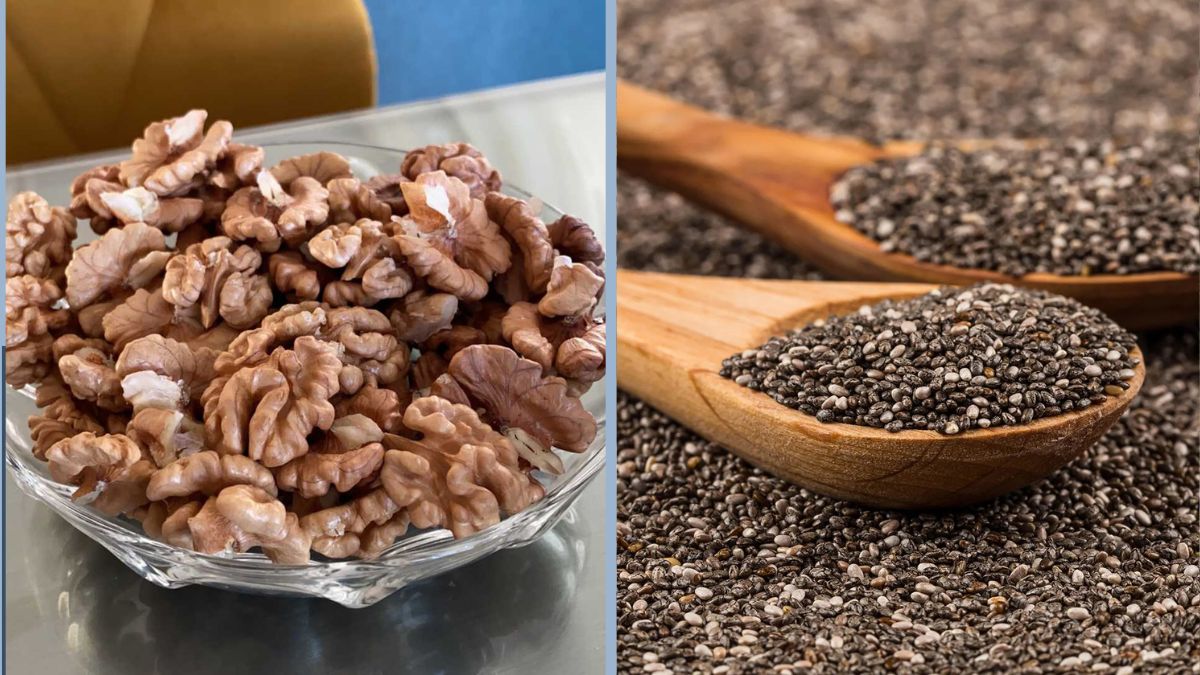
Salmon is widely celebrated as a top source of omega-3 fatty acids, essential fats that support heart, brain, and joint health. A 3-ounce serving of wild-caught salmon contains roughly 1,200–1,500 mg of omega-3s, particularly EPA and DHA, the long-chain fatty acids most readily used by the body.
While salmon is undoubtedly nutritious, several other foods actually provide equal or higher amounts of omega-3 fatty acids per serving. Whether you’re vegetarian, vegan, or simply looking to diversify your diet, these foods can help you meet your omega-3 needs and maximize health benefits.
Here’s a list of seven foods with more omega-3 than salmon, along with tips on how to include them in your meals.
1. Chia Seeds
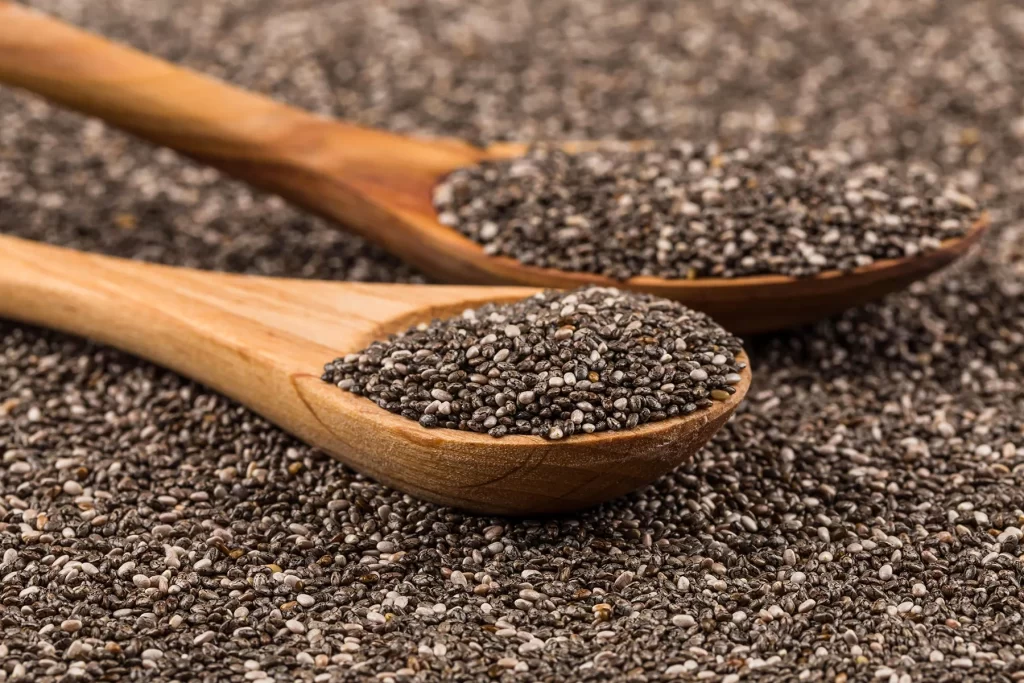
Chia seeds are tiny but mighty when it comes to omega-3 content. Just 1 ounce (28 grams) of chia seeds contains about 4,900 mg of ALA (alpha-linolenic acid), a plant-based omega-3 fatty acid.
Benefits:
- Supports heart health by reducing inflammation and improving cholesterol levels
- High in fiber, which promotes digestion and satiety
- Contains calcium, magnesium, and antioxidants
How to Eat Chia Seeds:
- Mix into smoothies or yogurt bowls
- Make chia pudding with almond or oat milk
- Sprinkle over oatmeal or salads
Chia seeds are versatile, portable, and perfect for boosting your plant-based omega-3 intake.
2. Flaxseeds
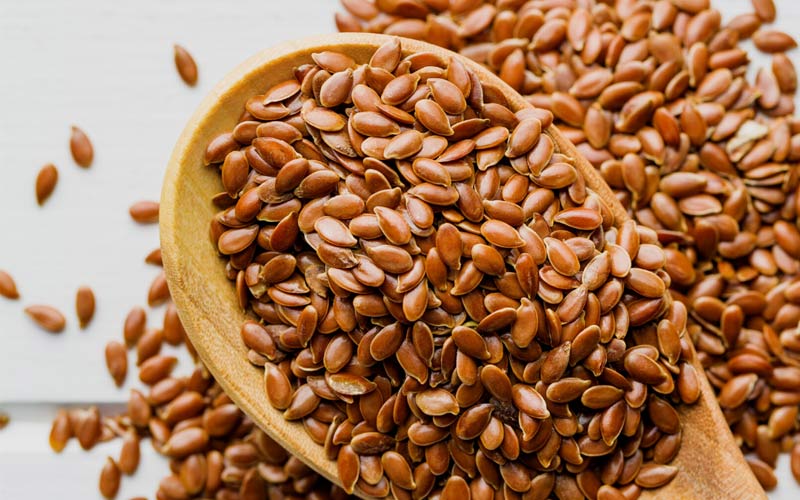
Flaxseeds are another omega-3 powerhouse. One tablespoon of ground flaxseeds contains approximately 2,350 mg of ALA, almost double the omega-3 in a 3-ounce salmon serving.
Benefits:
- High in fiber, supporting digestive health
- Rich in lignans, which may help protect against certain cancers
- Supports heart and brain health
How to Eat Flaxseeds:
- Add ground flaxseeds to smoothies or protein shakes
- Sprinkle on cereal, oatmeal, or yogurt
- Incorporate into baked goods like muffins and bread
Grinding flaxseeds improves nutrient absorption, making it easier for your body to access omega-3s.
3. Walnuts

Walnuts are not only a heart-healthy snack but also a potent source of omega-3 fatty acids. One ounce (about 14 halves) contains around 2,570 mg of ALA, more than a typical salmon portion.
Benefits:
- Supports heart health and may lower LDL cholesterol
- Contains antioxidants that reduce inflammation
- Rich in protein, fiber, and minerals
How to Eat Walnuts:
- Enjoy as a snack or on the go
- Add to salads, oatmeal, or yogurt
- Use in baked goods or as a topping for smoothie bowls
Walnuts are a convenient, nutrient-dense way to increase omega-3 intake without relying on fish.
4. Hemp Seeds
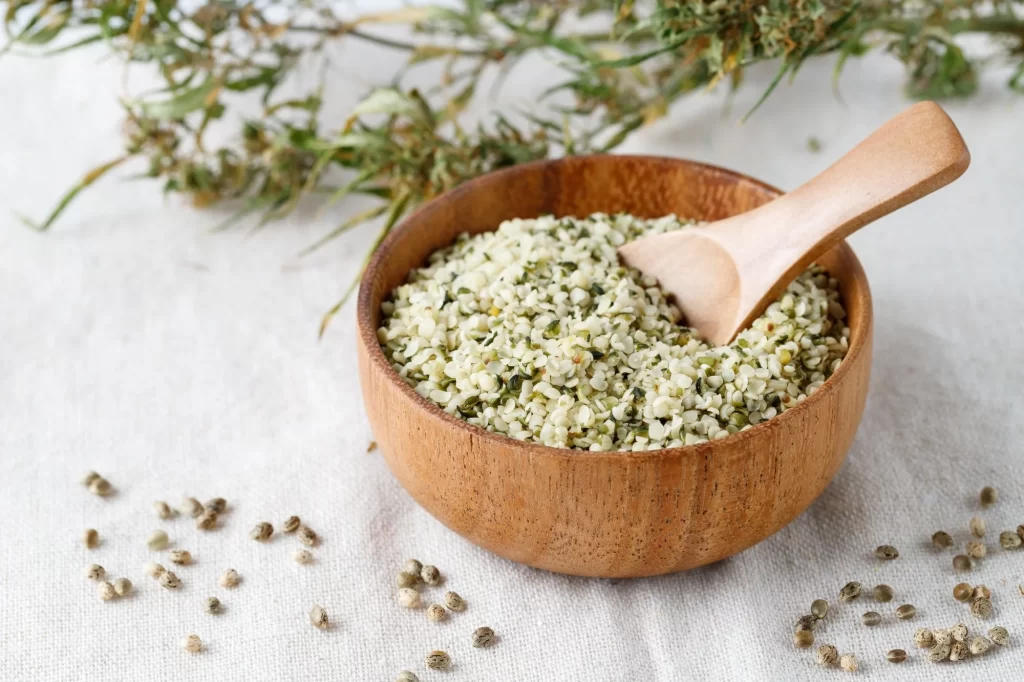
Hemp seeds are an excellent plant-based source of omega-3s. Three tablespoons of shelled hemp seeds provide about 2,600 mg of ALA, surpassing salmon in omega-3 content per serving.
Benefits:
- Complete plant protein with all nine essential amino acids
- Contains magnesium, phosphorus, and iron
- Supports heart, brain, and skin health
How to Eat Hemp Seeds:
- Sprinkle on salads or grain bowls
- Blend into smoothies or yogurt
- Mix into homemade energy bars or baked goods
Hemp seeds are mild in flavor, making them an easy addition to almost any meal.
5. Anchovies
Anchovies may be small, but they are nutrient-dense and omega-3 rich. Three ounces of canned anchovies contain approximately 2,400 mg of EPA and DHA, exceeding the omega-3 content of a comparable portion of salmon.
Benefits:
- Rich in protein and calcium
- Supports heart health and cognitive function
- Contains vitamin D and selenium
How to Eat Anchovies:
- Add to pizzas, salads, or pasta dishes
- Blend into sauces or dressings
- Enjoy on whole-grain toast or crackers
Anchovies are flavorful, concentrated sources of omega-3s, ideal for boosting your intake in small servings.
6. Sardines
Sardines are another omega-3 powerhouse. A 3-ounce serving of canned sardines provides roughly 1,950 mg of EPA and DHA, slightly more than a standard serving of salmon.
Benefits:
- High in protein and vitamin D
- Supports bone and heart health
- Contains calcium when consumed with bones
How to Eat Sardines:
- Eat straight from the can or on crackers
- Add to salads, pasta, or grain bowls
- Mash with avocado or mustard for a sandwich spread
Sardines are a convenient, nutrient-dense alternative to salmon, packed with omega-3s and other essential nutrients.
7. Algal Oil
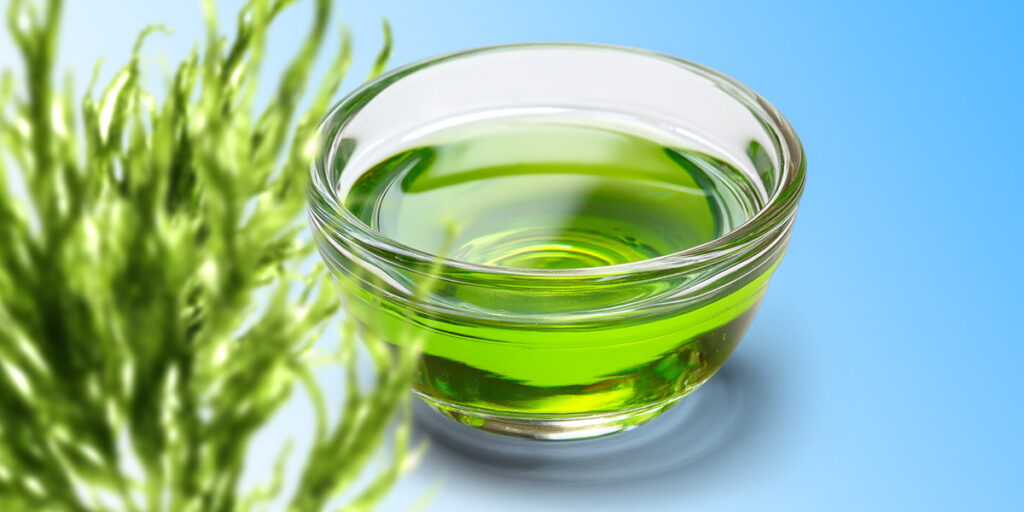
Algal oil is a plant-based omega-3 source derived from algae, providing DHA and EPA directly, similar to fish. Just one teaspoon of algal oil contains approximately 400–500 mg of DHA, making it highly concentrated compared to other plant sources.
Benefits:
- Vegan-friendly and sustainable
- Supports brain, eye, and heart health
- Can be used as a supplement for those avoiding fish
How to Use Algal Oil:
- Take as a supplement capsule or liquid
- Add to smoothies or dressings
- Incorporate into meals that do not require heating (to preserve omega-3s)
Algal oil is an excellent alternative for vegetarians, vegans, or anyone looking to reduce fish consumption.
Why Omega-3s Matter
Omega-3 fatty acids are essential fats that your body cannot produce on its own. They are critical for:
- Heart health: Reducing inflammation, lowering blood pressure, and improving cholesterol
- Brain function: Supporting cognition, memory, and mood
- Eye health: Protecting retinal cells and reducing dry eye risk
- Joint health: Reducing stiffness and inflammation
Adequate omega-3 intake has been linked to lower risk of heart disease, cognitive decline, and chronic inflammation.
Tips for Maximizing Omega-3 Intake
- Diversify Your Sources: Include fatty fish, nuts, seeds, and plant-based oils to ensure a variety of omega-3s.
- Balance Omega-3 and Omega-6: Many processed foods are high in omega-6, which can compete with omega-3s. Reduce fried and processed foods for optimal balance.
- Use Ground or Chopped Seeds: For flax and chia, grind or soak seeds to improve absorption.
- Pair With Antioxidants: Vitamins E and C protect omega-3s from oxidation and enhance benefits.
- Include Both Plant and Animal Sources: EPA and DHA from fish or algae are more readily used than plant-based ALA, but both contribute to overall health.
Other Notable Omega-3 Foods
Beyond the seven foods listed, other options include:
- Mackerel and herring (high EPA and DHA)
- Walnuts and pumpkin seeds (ALA-rich)
- Flaxseed oil and hemp oil (high ALA)
- Brussels sprouts and leafy greens (small but valuable ALA source)
Rotating these foods can maximize omega-3 intake, add variety, and support overall health.
Conclusion: Salmon Is Excellent, But There Are Other Omega-3 Giants
Salmon is a highly nutritious and accessible source of omega-3s, but several foods offer equal or higher omega-3 content per serving. Chia seeds, flaxseeds, walnuts, hemp seeds, anchovies, sardines, and algal oil are all exceptional options for increasing omega-3 intake.
Key Takeaways:
- Omega-3s support heart, brain, eye, and joint health
- Many foods, including seeds, nuts, small fish, and algae, contain more omega-3 than salmon
- Incorporating both plant and animal sources ensures adequate intake of ALA, EPA, and DHA
- Diversifying omega-3 sources provides additional nutrients like protein, fiber, and antioxidants
By including these foods in your diet, you can supercharge your omega-3 intake, support long-term health, and enjoy a variety of flavors and textures—without relying solely on salmon.