
Roses are one of the most beloved flowers in gardens around the world. Their captivating beauty, enchanting fragrance, and variety of colors make them a favorite choice for both beginner and experienced gardeners. However, many struggle with keeping their rose bushes healthy and blooming consistently. The good news is that with just a few simple techniques, you can grow vibrant roses and ensure they bloom season after season. In this guide, we’ll focus on two simple but highly effective tips to achieve this.
1. Choosing the Right Location and Planting Properly

The first step to growing a healthy rose plant is ensuring it is planted in the ideal location. Roses thrive in areas where they receive at least 6 hours of direct sunlight daily. Sunlight is essential for photosynthesis, which fuels growth and encourages the development of strong buds and flowers. Without adequate sunlight, rose plants may grow weak, with fewer blooms and more susceptibility to diseases.
Soil preparation is equally important. Roses prefer well-drained, fertile soil rich in organic matter. If your garden soil is heavy clay or sandy, amend it with compost or well-rotted manure. This improves soil structure, retains necessary moisture, and provides nutrients that support flowering.
When planting a rose bush, dig a hole that is twice as wide and slightly deeper than the root ball. This allows the roots to spread easily and establish a strong foundation. Before placing the plant in the hole, gently loosen the roots and remove any damaged or broken roots. Once planted, fill the hole with soil, water thoroughly, and apply a layer of mulch around the base. Mulching helps retain moisture, regulates soil temperature, and suppresses weeds that compete for nutrients.
Pro tip: Avoid planting roses too close to trees or large shrubs, as they may compete for sunlight and nutrients.
2. Regular Care and Maintenance to Encourage Blooming
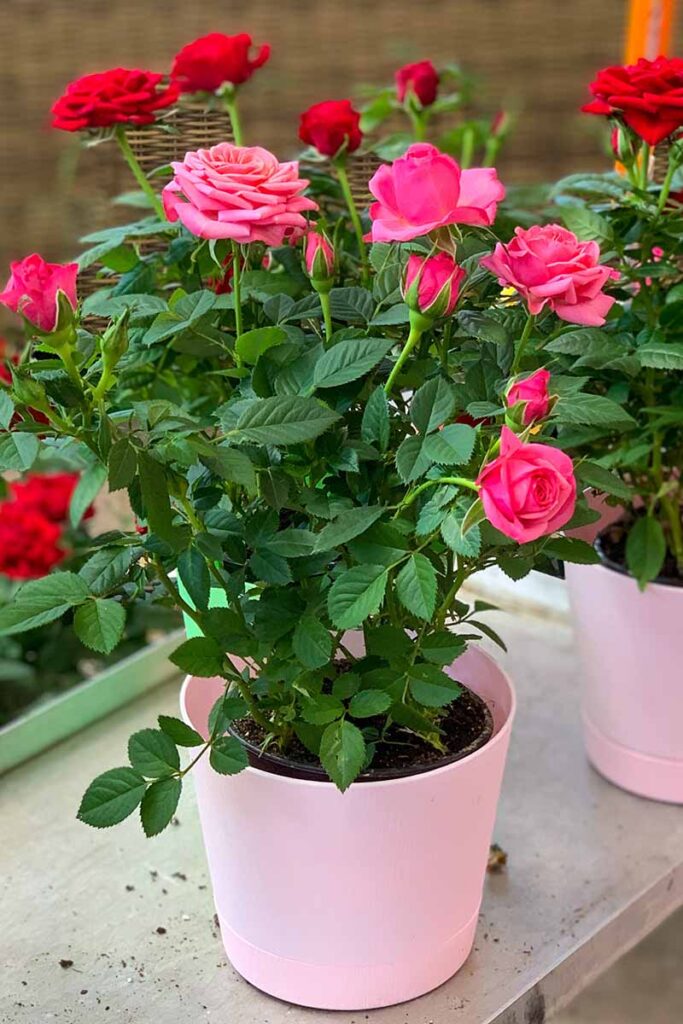
Once your rose bush is planted, proper care is essential to keep it blooming consistently. Roses require a balance of watering, feeding, pruning, and pest management. Here are the key practices to follow:
A. Watering:
Roses need deep watering at the base of the plant about 2–3 times per week, depending on weather conditions. Avoid overhead watering, as wet foliage can promote fungal diseases like powdery mildew or black spot. A good rule of thumb is to provide 1–2 inches of water per week, ensuring the soil stays moist but not soggy.
B. Feeding:
Roses are heavy feeders. To encourage continuous blooming, provide a balanced fertilizer rich in nitrogen, phosphorus, and potassium. Fertilize every 4–6 weeks during the growing season. Organic options like compost, bone meal, or seaweed extract are excellent for promoting healthy growth and vibrant blooms.
C. Pruning:
Pruning is one of the most effective ways to keep rose bushes blooming. Regularly remove dead, damaged, or diseased stems, as well as spent flowers (deadheading). This not only improves airflow around the plant but also signals the rose to produce new blooms. A general guideline is to prune in early spring, just as the buds start swelling, to encourage strong growth for the upcoming season.
D. Pest and Disease Control:
Roses are susceptible to pests like aphids, spider mites, and thrips, as well as diseases such as black spot, rust, and powdery mildew. Early detection and preventive measures can save your plant from significant damage. Use natural solutions like neem oil, insecticidal soap, or a gentle water spray to control pests. Ensure good air circulation by spacing plants appropriately and keeping foliage dry to minimize disease risk.
3. Bonus Tip: Deadheading for Continuous Blooms

A simple yet highly effective technique for keeping your rose bush blooming is deadheading. This involves removing faded flowers before they develop seeds. By doing this, the plant redirects its energy from seed production to growing new buds and blooms.
To deadhead, cut the spent flower just above the first set of healthy leaves. Make a clean cut at a 45-degree angle, sloping away from the bud. Regular deadheading throughout the blooming season can dramatically increase the number of flowers your rose bush produces.
4. Choosing the Right Rose Varieties
Some rose varieties naturally bloom more frequently than others. For continuous flowering, consider remontant roses, which are repeat bloomers. Hybrid teas, floribundas, and certain climbers are known for their long flowering periods. On the other hand, some old garden roses may bloom only once per season but offer exquisite fragrance and charm. Knowing the growth habit and flowering pattern of your chosen variety helps you plan care accordingly.
5. Seasonal Care for Optimal Growth
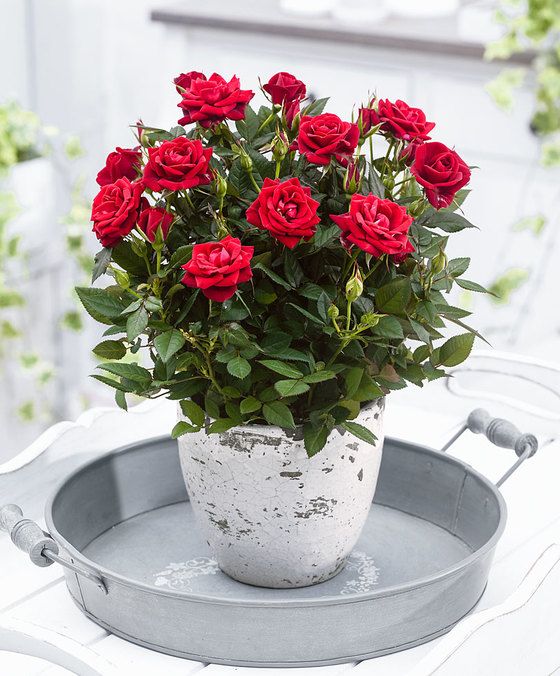
Roses respond to seasonal care, which ensures strong growth and long-lasting blooms.
- Spring: Focus on pruning, fertilizing, and checking for pests. This is the season for vigorous new growth.
- Summer: Maintain regular watering, feed monthly, and deadhead spent flowers to encourage ongoing blooms.
- Autumn: Reduce feeding, allow the plant to prepare for dormancy, and remove fallen leaves to prevent disease.
- Winter: In colder climates, protect roses with mulch or burlap wraps. Even in mild climates, occasional pruning and removal of dead material help maintain plant health.
6. Common Mistakes to Avoid
Even with the best intentions, gardeners sometimes make mistakes that prevent roses from blooming. Avoid these pitfalls:
- Planting in shady areas, which reduces flower production.
- Overwatering, leading to root rot.
- Neglecting pruning, which causes overcrowded stems and fewer blooms.
- Using chemical fertilizers excessively, which can encourage foliage growth but reduce flowers.
By understanding and avoiding these mistakes, you can create the ideal environment for your rose bush to flourish.
Conclusion
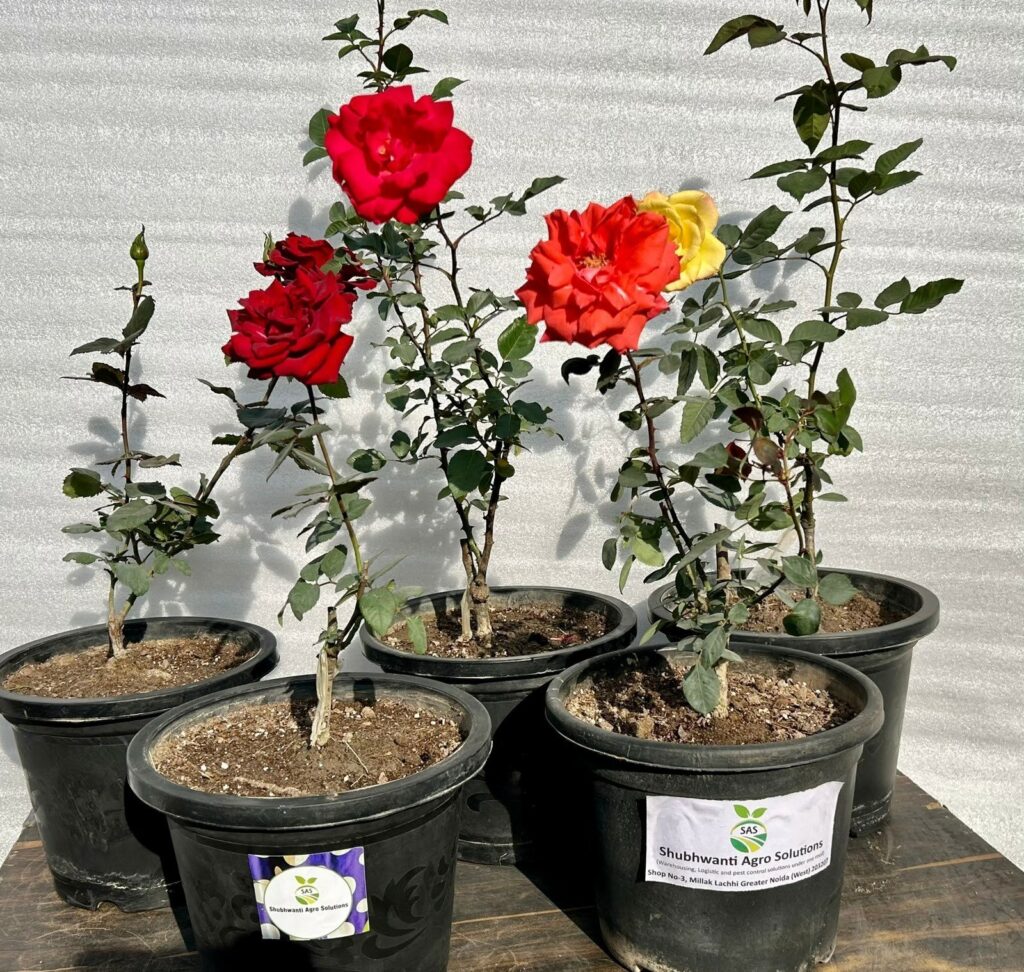
Growing roses and keeping them in bloom doesn’t have to be complicated. By focusing on the right planting location and soil preparation, along with regular care and maintenance, you can enjoy a garden filled with beautiful, fragrant roses all season long. Deadheading spent blooms, choosing the right varieties, and following seasonal care routines further ensure your rose bush remains healthy and productive.
With these two simple yet essential tips, anyone—from a beginner gardener to an experienced plant enthusiast—can achieve stunning results. Roses not only add color and fragrance to your garden but also bring a sense of joy and satisfaction as you watch your hard work bloom into breathtaking flowers.
Start with these tips today, and transform your garden into a haven of flourishing roses that bloom continuously, season after season.