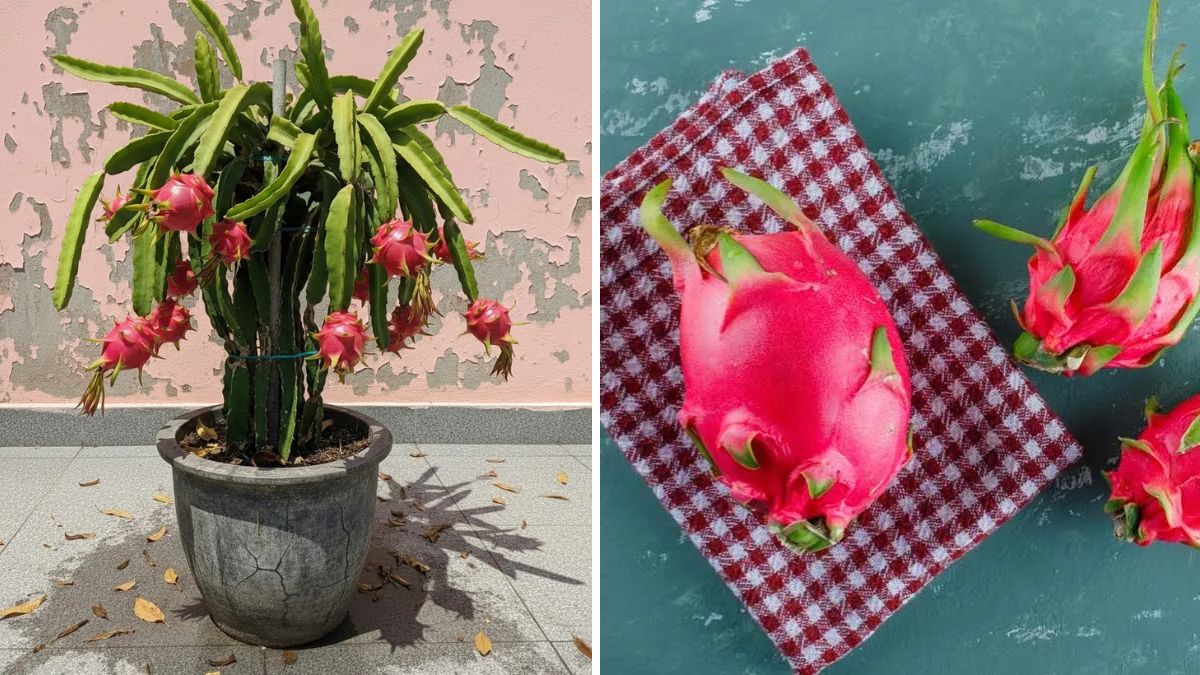
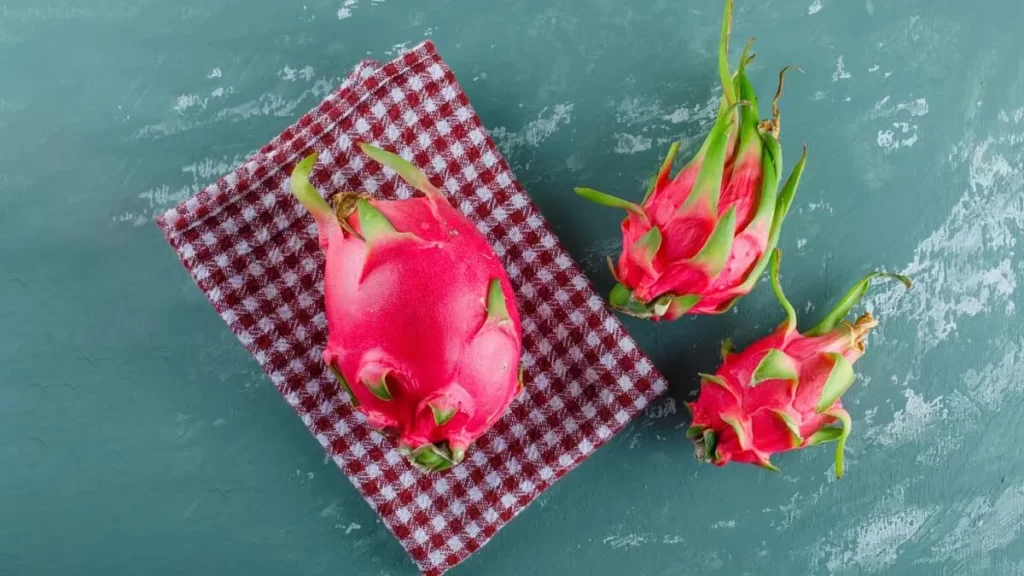
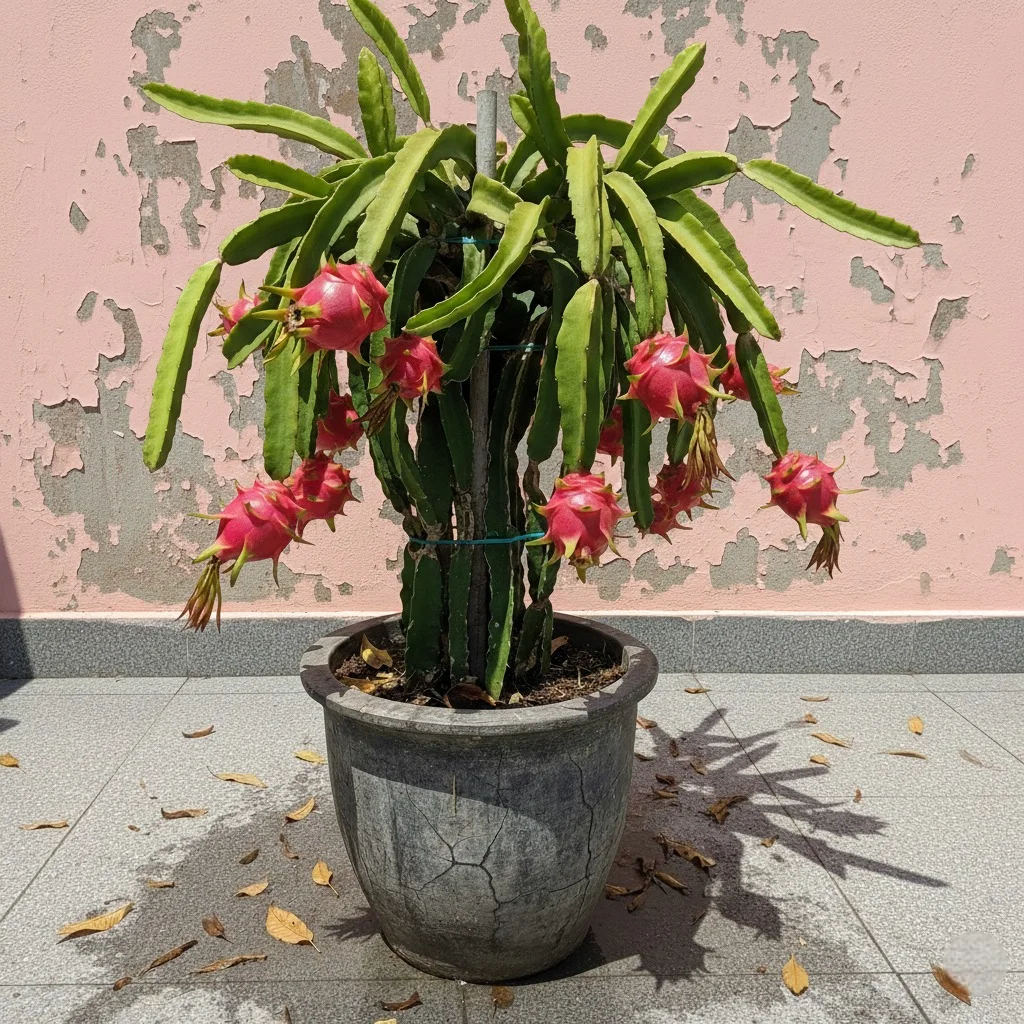
Dragon fruit, also known as Pitahaya, is one of the most exotic and visually stunning fruits you can grow at home. With its vibrant pink or yellow skin, unique shape, and sweet, juicy flesh, dragon fruit is not only delicious but also packed with nutrients like vitamin C, fiber, and antioxidants. While many people buy dragon fruit plants from nurseries, growing your own from seeds is a rewarding and educational experience. This guide will walk you step by step through growing dragon fruit from seeds, making the process simple, fun, and successful.
Why Grow Dragon Fruit from Seeds?
Growing dragon fruit from seeds has several advantages:
- Cost-Effective: Seeds are cheaper than buying mature plants.
- Learning Experience: Watching a dragon fruit grow from seed is fascinating and educational.
- Variety Options: You can grow different varieties of dragon fruit by collecting seeds from different fruits.
- Sustainable Gardening: Growing from seeds allows you to propagate new plants and expand your garden naturally.
While seed-grown plants take longer to bear fruit compared to nursery plants, the process gives you a strong understanding of plant care and development.
Step 1: Collecting and Preparing Dragon Fruit Seeds
You can grow dragon fruit from fresh fruit seeds. Here’s how to prepare them:
- Select a Ripe Fruit: Choose a fully ripe dragon fruit with vibrant skin.
- Scoop Out the Seeds: Cut the fruit open and scoop out the tiny black seeds.
- Clean the Seeds: Rinse seeds under running water to remove any pulp.
- Dry Seeds (Optional): Spread the seeds on a paper towel and let them dry for a few hours to prevent mold.
Tip: You can also purchase dragon fruit seeds online or from gardening stores if fresh fruit is unavailable.
Step 2: Choosing the Right Container and Soil
Dragon fruit seeds need the right environment to germinate and grow:
- Container: Use small pots or seed trays with drainage holes. Shallow containers work best for seed germination.
- Soil: Dragon fruit thrives in well-draining soil. A mix of cactus soil and sand or perlite works perfectly. Avoid heavy soils that retain too much water.
- pH Level: Slightly acidic to neutral soil (pH 6–7) is ideal.
Starting seeds in small containers allows you to manage watering and sunlight more easily.
Step 3: Sowing Dragon Fruit Seeds
Planting dragon fruit seeds is simple and quick:
- Fill your container with prepared soil.
- Sprinkle seeds evenly on the soil surface.
- Lightly cover seeds with a thin layer of soil (1–2 mm). Dragon fruit seeds need light to germinate, so don’t bury them too deep.
- Mist the soil lightly with water. Avoid overwatering, as it can wash away seeds.
Step 4: Providing Optimal Germination Conditions
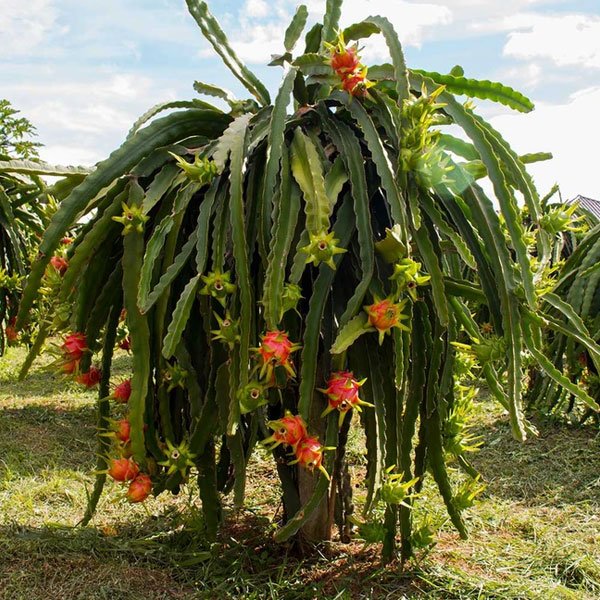
Dragon fruit seeds germinate best under warm, humid conditions:
- Temperature: Keep the soil between 70–85°F (21–29°C).
- Humidity: Cover the container with plastic wrap or a clear lid to maintain humidity. Remove the cover once seedlings appear to prevent mold.
- Sunlight: Place the container in bright, indirect sunlight. Avoid direct sun during germination, as it can dry out seeds.
- Watering: Keep the soil slightly moist. Mist gently with a spray bottle daily.
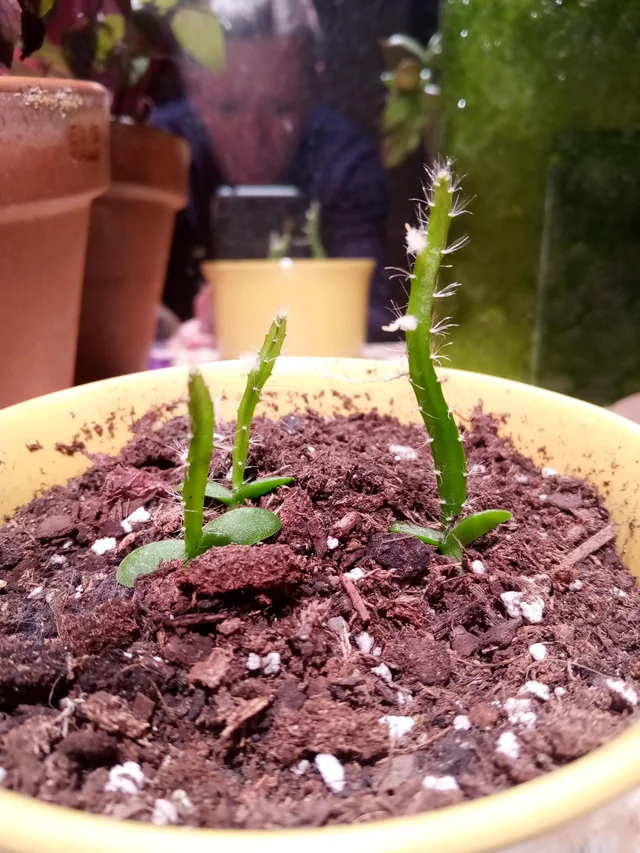
Seeds usually germinate within 1–4 weeks depending on the variety and conditions.
Step 5: Caring for Seedlings
Once seedlings sprout, proper care is essential for strong growth:
- Light: Gradually introduce seedlings to more sunlight, ideally 4–6 hours of indirect light daily.
- Watering: Maintain moist soil but avoid waterlogging. Allow the top layer to dry slightly between waterings.
- Thinning: Once seedlings develop 2–3 sets of true leaves, thin weaker ones to reduce competition.
- Fertilizing: Use a diluted liquid fertilizer every 2–3 weeks to provide essential nutrients.
Healthy seedlings form the foundation for strong, productive plants later.
Step 6: Transplanting Seedlings
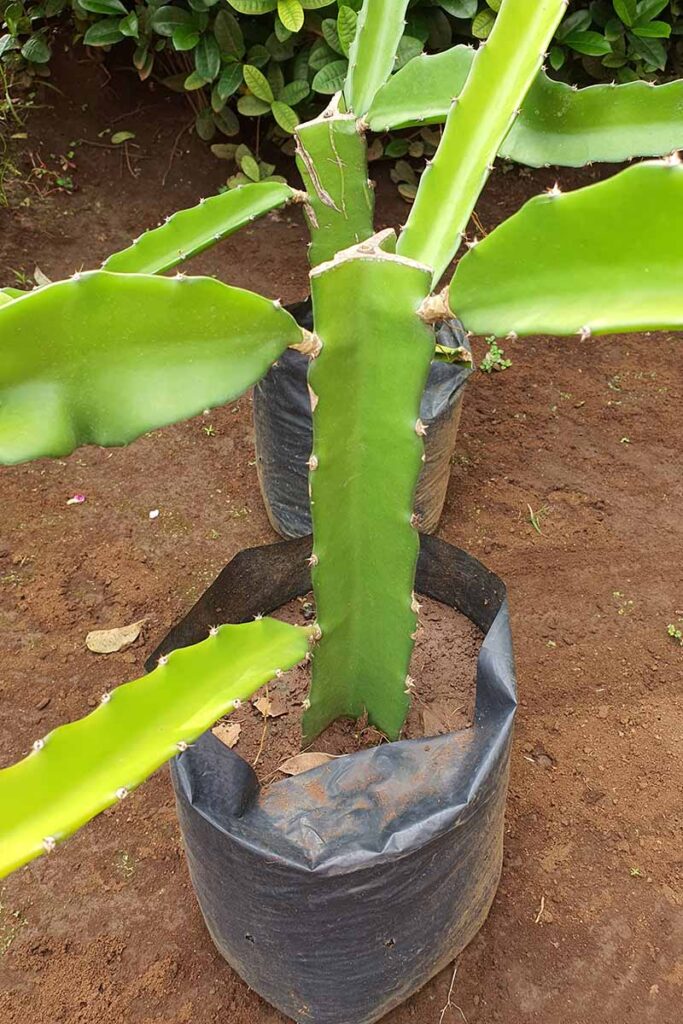
When seedlings are 4–6 inches tall with strong roots, it’s time to transplant:
- Choose a larger pot or garden bed with good drainage.
- Prepare the soil by mixing compost or organic matter.
- Carefully remove seedlings from their container, keeping roots intact.
- Plant them at the same depth they were growing in the seed tray.
- Water lightly to help seedlings settle.
Dragon fruit seedlings benefit from a stable growing environment during the first few months after transplanting.
Step 7: Providing Support for Growth
Dragon fruit is a climbing cactus, so it requires support as it grows:
- Trellis or Stakes: Use strong vertical supports like bamboo sticks, wooden posts, or trellises.
- Tying Vines: Use soft ties to gently secure stems to the support structure. Avoid tying too tightly to prevent damage.
- Spacing: If planting multiple seedlings, space them at least 2–3 feet apart to allow room for growth and airflow.
Proper support ensures the plant grows upright and prevents breakage of delicate stems.
Step 8: Watering and Fertilizing Mature Plants
Once established, dragon fruit plants require moderate care:
- Watering: Water plants 2–3 times per week during dry periods. Reduce watering in cooler months. Avoid waterlogged soil.
- Fertilizing: Apply a balanced fertilizer (NPK 10:10:10) every 4–6 weeks during the growing season. Organic compost or worm castings also work well.
- Pruning: Remove dead or crowded branches to improve airflow and encourage fruiting.
A regular care routine ensures vigorous growth and abundant flowers.
Step 9: Flowering and Fruiting
Dragon fruit flowers are large, white, and bloom at night. Flowering usually begins 1–2 years after seed planting:
- Pollination: Some varieties are self-pollinating, but hand pollination increases fruit set. Use a small brush to transfer pollen from one flower to another at night.
- Fruit Development: After successful pollination, fruits take 30–50 days to mature. Harvest when the skin is bright and slightly soft to the touch.
Patience is key—seed-grown plants take longer to fruit than nursery-grown plants, but the experience is rewarding.
Step 10: Common Problems and Solutions
Even hardy dragon fruit plants can face challenges:
- Root Rot: Caused by overwatering. Ensure well-draining soil and avoid waterlogged conditions.
- Pests: Aphids, mealybugs, and ants may attack plants. Use neem oil or insecticidal soap for protection.
- Yellow Leaves: Often due to nutrient deficiency or overwatering. Check soil moisture and fertilize as needed.
- Flower Drop: Caused by poor pollination or temperature stress. Hand pollinate and ensure proper sunlight and warmth.
With careful observation, most issues can be corrected easily.
Quick Tips for Success
- Choose healthy seeds from ripe fruits or trusted suppliers.
- Keep seedlings warm and humid until germination.
- Provide indirect sunlight for young plants and gradual acclimatization.
- Use support structures early to guide growth.
- Be patient—seed-grown plants take longer to fruit, but the rewards are worth it.
Conclusion
Growing dragon fruit from seeds is a fun and rewarding gardening project for beginners and experienced gardeners alike. From the tiny black seeds to lush climbing cacti, the journey of growing dragon fruit teaches patience, care, and appreciation for nature. With the right soil, water, sunlight, and support, you can enjoy fresh, exotic fruits right from your home garden.
Even though seed-grown plants take longer to bear fruit than nursery plants, the satisfaction of nurturing a dragon fruit from scratch is unmatched. Start your dragon fruit adventure today and experience the joy of harvesting your very own exotic, nutrient-rich fruits in the comfort of your home.