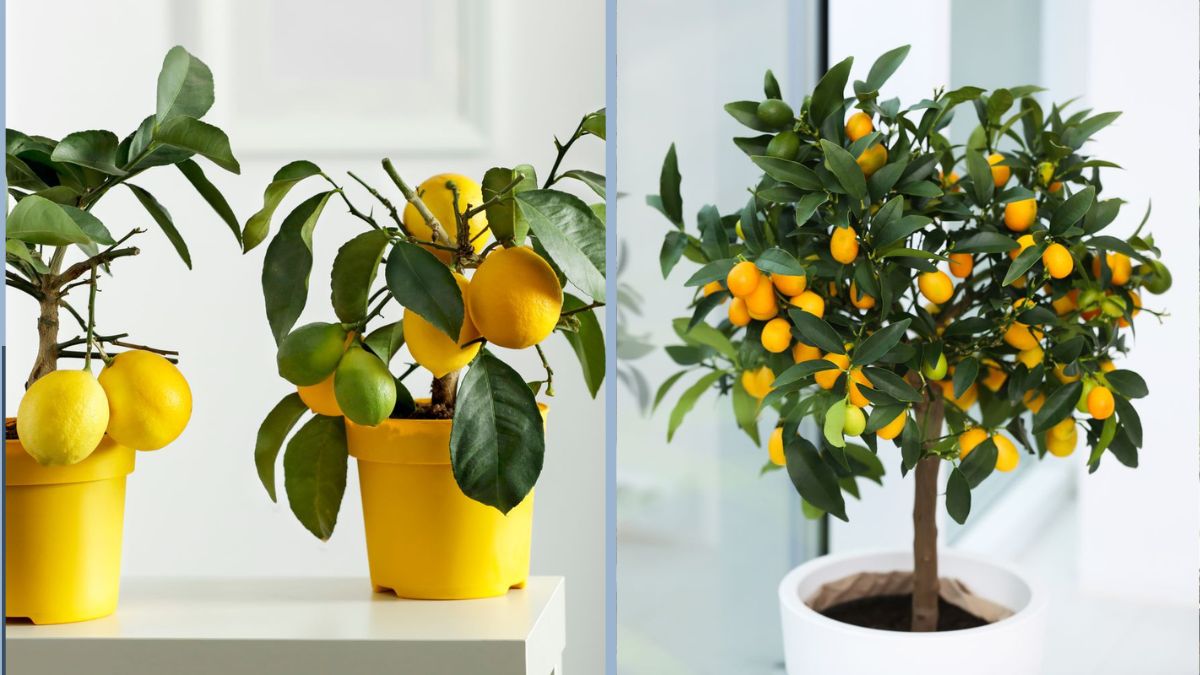
Growing lemons indoors is one of the most satisfying gardening projects you can take on—especially if you live in a climate where citrus trees struggle outdoors. Indoor lemon trees are surprisingly easy to maintain, beautifully fragrant, and incredibly productive when given the right care. Imagine picking fresh lemons for tea, baking, or cooking right from your living room or kitchen—no backyard required!
Whether you’re a beginner or an experienced plant lover, this comprehensive 1200-word guide will walk you through everything you need to know: choosing the right lemon variety, soil and pot tips, watering, fertilizing, pruning, pollinating, and troubleshooting common indoor citrus problems. By the end, you’ll be fully prepared to grow a thriving lemon tree inside your home.
Why Grow Lemons Indoors?
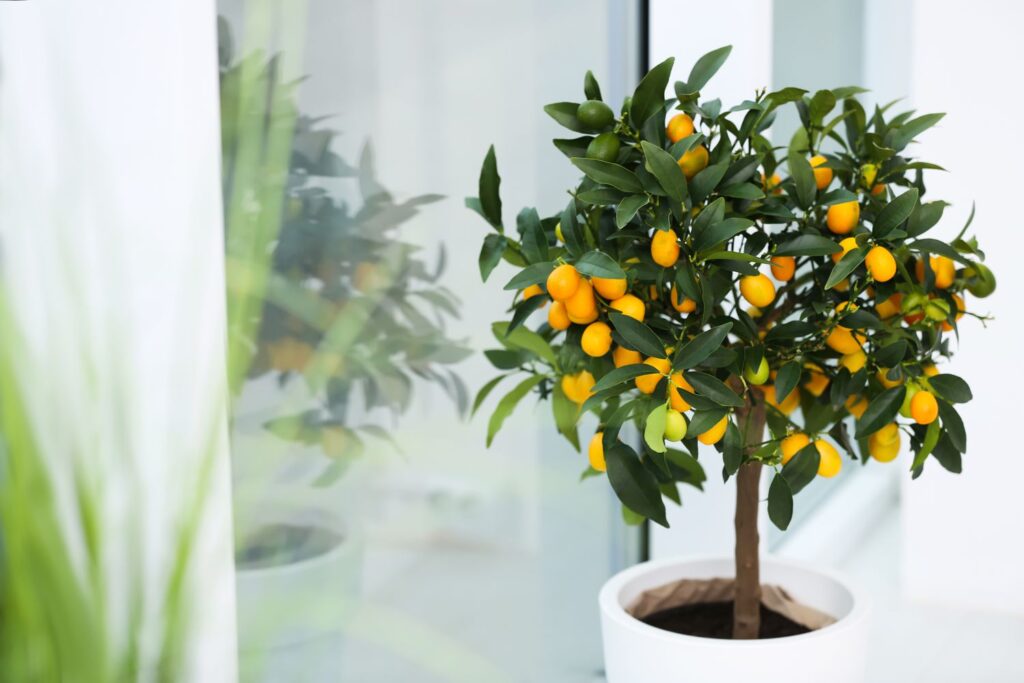
Indoor lemon trees offer more than just fresh fruit. Here’s why so many people are choosing to grow citrus inside:
1. They’re incredibly fragrant
Lemon blossoms smell sweet, fresh, and tropical. Even when the tree isn’t fruiting, the scent fills your home.
2. They look gorgeous
Glossy green leaves, bright yellow fruit, and delicate white flowers bring natural beauty to any room.
3. Fresh citrus is available year-round
Indoor trees aren’t affected by frost or outdoor weather, allowing for multiple flushes of blooms and fruit.
4. Perfect for apartment dwellers
You don’t need outdoor space, warm temperatures, or full sun exposure all day long—you just need a sunny window or grow lights.
Step 1: Choose the Right Lemon Variety

Not all lemon trees thrive indoors. Some grow too large, while others require more heat or sunlight than a home can provide. Dwarf and semi-dwarf varieties are ideal because they stay compact and manageable.
Best lemon varieties for indoor growing
1. Meyer Lemon
- The most popular indoor lemon tree
- Naturally small and compact
- Sweeter and less acidic fruit
- Fast-growing and highly productive
2. Ponderosa Lemon
- Produces very large, thick-skinned lemons
- Beautiful, fragrant blooms
- Slightly slower to fruit, but very decorative
3. Lisbon or Eureka (Dwarf forms)
- True lemon flavor
- More acidic, classic supermarket taste
- Requires strong light but grows well in containers
Why dwarf varieties work best
Dwarf trees are grafted onto smaller rootstocks, meaning:
- Easier to manage indoors
- Produce fruit earlier
- Require smaller pots
Choosing the right variety sets you up for success—even in small spaces.
Step 2: Choose the Perfect Pot and Soil
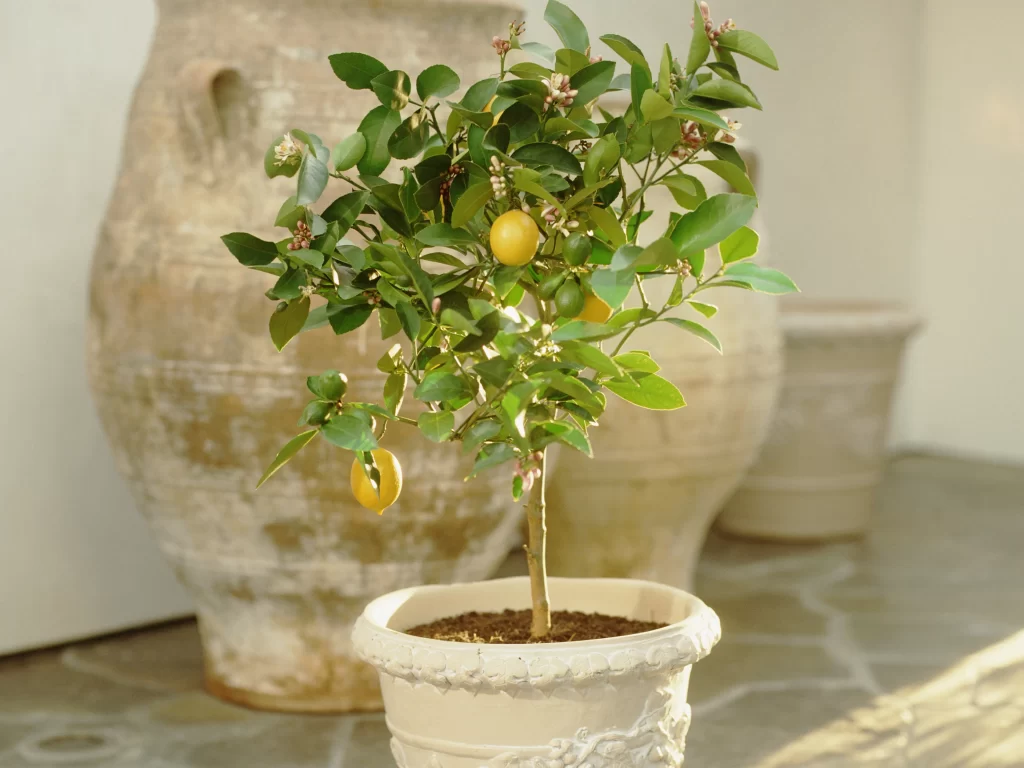
Indoor lemon trees need the correct container and soil to ensure proper drainage and root health.
The ideal pot
- Choose a pot 12–16 inches in diameter for young trees.
- Ensure it has multiple drainage holes.
- Clay or ceramic pots are ideal because they allow roots to breathe.
- Plastic pots retain moisture better but can lead to overwatering—use with caution.
As your lemon tree grows, re-pot every 2–3 years into a slightly larger pot. Avoid jumping to a too-large container, which can encourage root rot.
Best soil mix
Lemons need loose, well-draining soil.
Use a mix of:
- High-quality potting soil
- Perlite or vermiculite for drainage
- Coconut coir or peat for moisture control
Never use garden soil—it compacts too easily and suffocates lemon tree roots.
Step 3: Sunlight Requirements for Indoor Lemons

Lemon trees are sun lovers. Indoors, they require more focused light than you may expect.
Light requirements
- 8–12 hours of bright light per day
- At least 4 hours of direct sunlight daily
Best indoor placements
- South-facing windows
- West-facing windows
- Sunrooms
If your home doesn’t get enough natural light, supplement with full-spectrum LED grow lights. Position the light 6–12 inches above the tree and keep it on for 10–12 hours daily.
Rotate your tree
Rotate the plant every week so all sides receive even sunlight and the tree grows upright rather than leaning.
Step 4: Watering Your Indoor Lemon Tree

Indoor citrus trees are prone to overwatering. Creating consistent moisture without drowning the roots is the goal.
Watering guidelines
- Water when the top 2 inches of soil feel dry.
- Water thoroughly until it drains from the bottom.
- Empty the saucer after watering to prevent root rot.
Signs your lemon tree needs water
- Leaves curling inward
- Soil pulling away from the pot’s edges
- Leaves looking dull or droopy
Signs of overwatering
- Yellowing leaves
- Mushy soil
- Musty smell from the pot
Indoor environments vary, but most trees need water every 5–10 days depending on humidity, light, and indoor temperature.
Step 5: Humidity and Indoor Climate
Lemon trees are tropical and need higher humidity than most homes provide—especially in winter.
Ideal environment
- Temperature: 65–75°F (18–24°C)
- Humidity: 40–60%
How to increase humidity
- Use a humidity tray with pebbles.
- Run a humidifier nearby.
- Mist leaves lightly (avoid misting during the evening).
- Group your citrus with other plants to create a more humid microclimate.
Avoid placing lemon trees near heat vents or drafts, which dry out leaves and stress the plant.
Step 6: Fertilizing for Healthy Growth and Fruit
Lemons are heavy feeders—especially indoors where nutrients wash out of pots quickly.
Use a citrus-specific fertilizer
Look for a fertilizer high in:
- Nitrogen (N)
- Magnesium
- Calcium
- Iron
These nutrients help support:
- Dark green leaves
- Flower production
- Fruit development
Fertilizing schedule
- Feed every 3–4 weeks in spring and summer
- Reduce to every 6–8 weeks in fall
- Light feeding only in winter
Avoid fertilizing when the soil is dry to prevent root burn. Water lightly first, then fertilize.
Step 7: Pruning Your Indoor Lemon Tree
Pruning helps your tree stay compact, productive, and aesthetically pleasing.
Why prune?
- Encourages branching
- Improves airflow
- Lets more light penetrate
- Keeps the tree manageable indoors
How to prune
- Remove any dead or crossing branches
- Trim excessively long stems
- Remove suckers growing from below the graft line
- Shape the tree once or twice per year
Always use clean, sharp pruning shears to prevent disease spread.
Step 8: Indoor Pollination Tips
Because indoor lemon trees don’t have outdoor pollinators, you may need to assist with pollination.
How to hand-pollinate
- Use a small, clean paintbrush or cotton swab.
- Gently brush the inside of each flower.
- Move pollen from one flower to another.
This mimics the action of bees and greatly increases fruit set.
Step 9: Dealing with Common Indoor Lemon Tree Problems
Even with the best care, you may encounter challenges. Fortunately, most issues are easy to fix.
Yellow leaves
Possible causes:
- Overwatering
- Underwatering
- Lack of magnesium (use Epsom salt)
- Poor light
Leaf drop
Often caused by:
- Sudden temperature changes
- Low humidity
- Moving the plant
Pests to watch for
- Spider mites
- Scale insects
- Mealybugs
- Aphids
Treat with:
- Neem oil
- Insecticidal soap
- Rubbing alcohol on cotton swabs (for scale)
Check the leaves weekly to catch infestations early.
Step 10: Harvesting Your Indoor Lemons
Lemons take time to mature, but the reward is worth the wait.
How to know when they’re ready
- Fruit turns fully yellow
- Feels slightly soft when gently squeezed
- Aromatic when scratched
Indoor trees often produce fruit year-round, and mature lemons can remain on the tree for weeks without spoiling.
Conclusion: Growing Lemons Indoors Is Easier Than You Think
With the right variety, proper light, consistent watering, and a little patience, anyone can grow a lemon tree indoors. These cheerful citrus trees brighten your home, purify the air, and provide delicious fruit year after year.
From choosing the perfect pot and soil to mastering hand-pollination and humidity control, you now have everything you need to cultivate a thriving indoor lemon tree.
If you’d like, I can also provide: