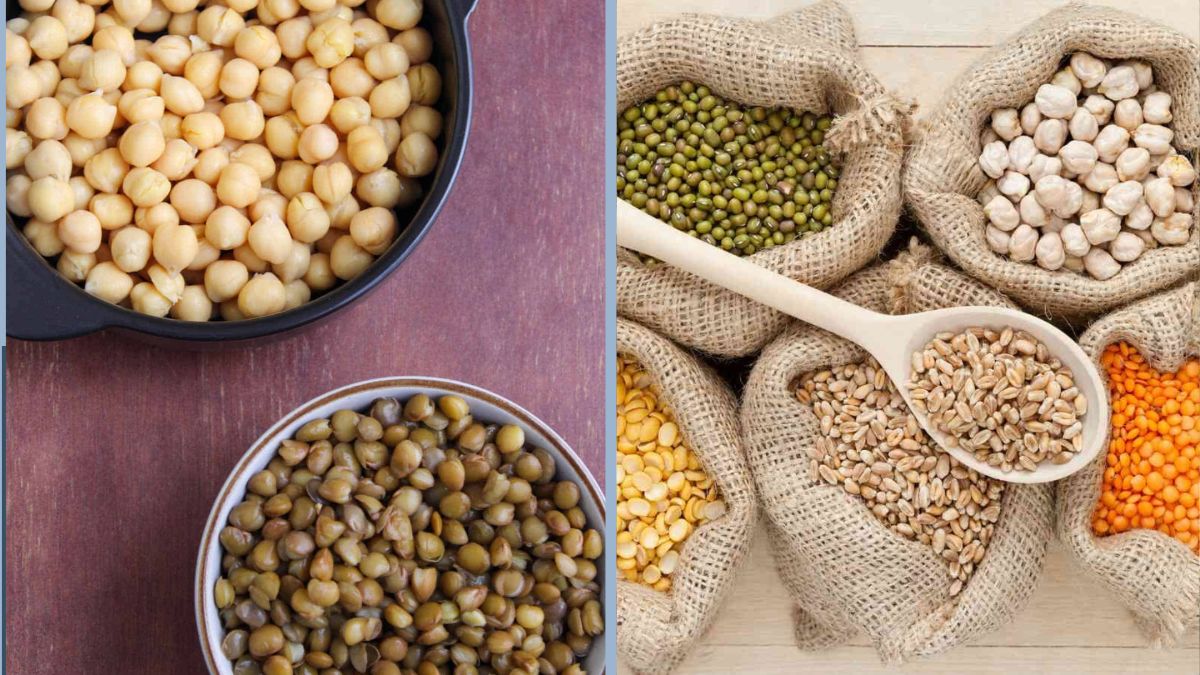
Fiber is often called the unsung hero of nutrition. It supports digestion, helps regulate blood sugar, promotes heart health, and can even aid in weight management. If you’re looking to boost your fiber intake, legumes — particularly chickpeas and lentils — are excellent options. But which one truly packs more fiber, and how do they compare nutritionally?
Let’s explore the fiber content, health benefits, and culinary versatility of chickpeas and lentils, so you can make informed choices for your diet.
Chickpeas vs. Lentils: What Are They?
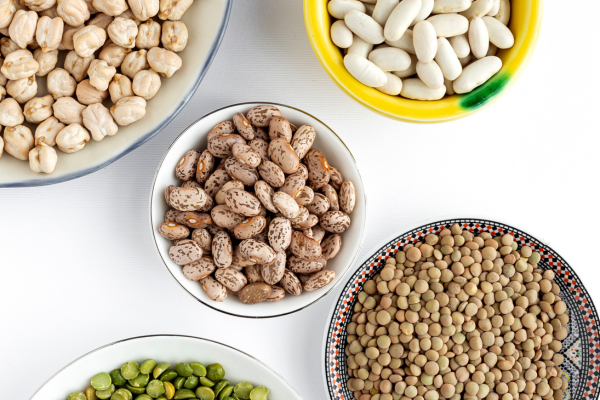
Chickpeas
Chickpeas, also known as garbanzo beans, are round, beige legumes native to the Middle East. They are popular in Mediterranean, Indian, and Middle Eastern cuisines and are best known for their use in hummus, stews, and salads.
Chickpeas are not only a great source of fiber but also provide protein, iron, magnesium, and folate, making them a nutritional powerhouse for plant-based diets.
Lentils
Lentils are lens-shaped legumes that come in several varieties, including red, green, brown, and black. They have been a staple in human diets for thousands of years, especially in South Asian, Mediterranean, and Middle Eastern cooking.
Lentils are praised for their high protein and fiber content, quick cooking time, and versatility in soups, curries, salads, and even baked goods.
Fiber Content: Chickpeas vs. Lentils
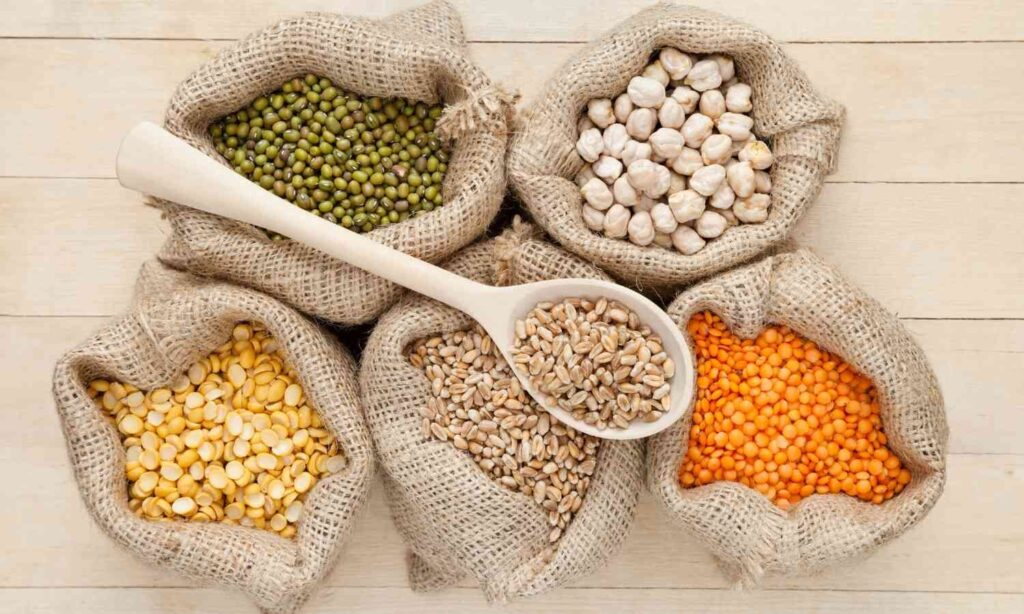
The fiber content in legumes is one of their most significant health benefits. Here’s how chickpeas and lentils compare per 1 cup (cooked):
| Legume | Total Fiber | Soluble Fiber | Insoluble Fiber |
|---|---|---|---|
| Chickpeas | 12.5g | 2–3g | 9–10g |
| Lentils | 15.6g | 2–3g | 12–13g |
Verdict: Lentils have a slight edge over chickpeas in total fiber content, providing about 25% more fiber per cup. Both are excellent sources, though, far exceeding most vegetables or grains in fiber.
Why Fiber Matters
Fiber comes in two main types — soluble and insoluble — both of which offer distinct health benefits:
Soluble Fiber
- Dissolves in water to form a gel-like substance
- Helps lower LDL cholesterol
- Slows digestion, helping regulate blood sugar levels
- Found in moderate amounts in both lentils and chickpeas
Insoluble Fiber
- Adds bulk to stool and supports regular bowel movements
- Helps prevent constipation
- Contributes to gut health by feeding beneficial bacteria
- Lentils contain slightly more insoluble fiber than chickpeas
Nutritional Comparison Beyond Fiber
While fiber is important, both chickpeas and lentils provide a range of nutrients essential for overall health. Here’s a per-cup comparison of cooked legumes:
| Nutrient | Chickpeas (cooked) | Lentils (cooked) |
|---|---|---|
| Calories | 269 | 230 |
| Protein | 14.5g | 17.9g |
| Fat | 4.2g | 0.8g |
| Carbohydrates | 45g | 39g |
| Iron | 4.7mg | 6.6mg |
| Magnesium | 78mg | 71mg |
| Folate | 282µg | 358µg |
| Potassium | 477mg | 731mg |
Key Takeaways:
- Lentils are higher in fiber, protein, iron, and potassium.
- Chickpeas provide more healthy fats and slightly more calories, which may be beneficial for energy-dense meals.
- Both are excellent plant-based protein sources.
Health Benefits of Chickpeas
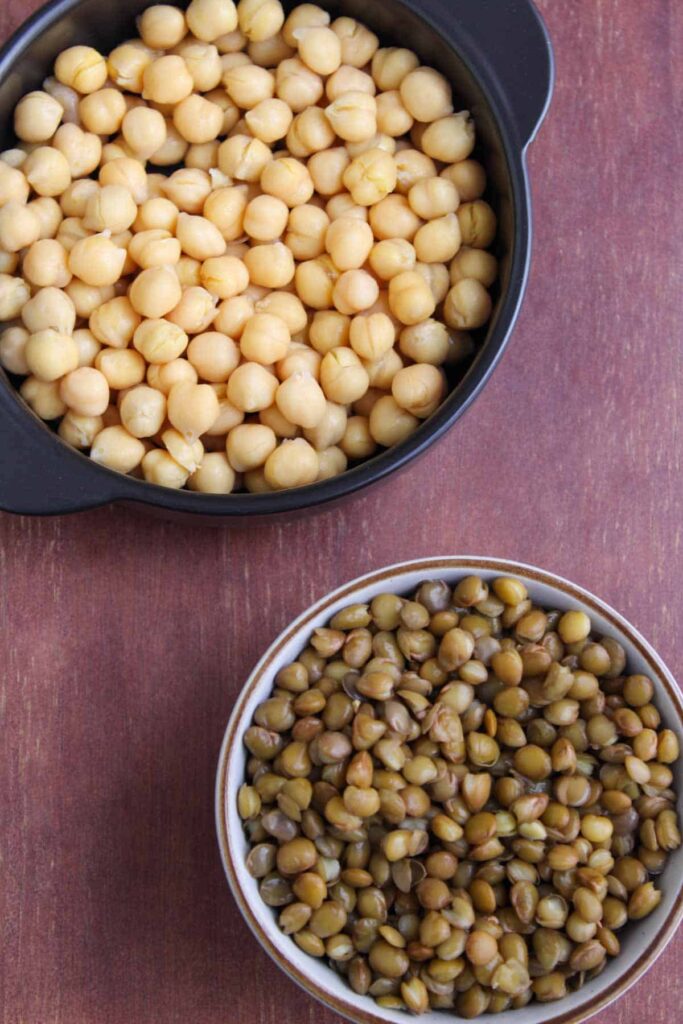
Chickpeas offer several unique benefits beyond their fiber content:
- Blood Sugar Regulation: The combination of protein and fiber in chickpeas slows digestion and helps maintain steady blood sugar levels.
- Heart Health: Soluble fiber can help reduce LDL cholesterol, while magnesium and potassium support cardiovascular function.
- Digestive Health: Insoluble fiber promotes regular bowel movements and feeds healthy gut bacteria.
- Weight Management: Protein and fiber work together to increase satiety, helping control appetite.
Chickpeas are also versatile, making it easy to incorporate them into salads, soups, hummus, and even roasted snacks.
Health Benefits of Lentils
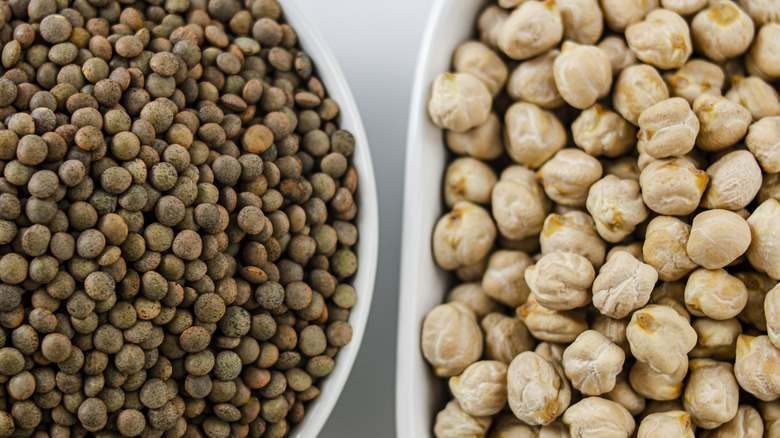
Lentils shine in several areas:
- Higher Fiber and Protein: Lentils provide more fiber and protein per serving than chickpeas, supporting digestion and muscle maintenance.
- Heart Health: Their high fiber content helps reduce cholesterol, while potassium and folate improve cardiovascular function.
- Blood Sugar Control: Lentils have a low glycemic index, which helps maintain steady blood sugar levels.
- Bone and Immune Support: Lentils are rich in folate, iron, and magnesium, essential for red blood cell formation and overall immune health.
Lentils cook quickly, making them ideal for weeknight meals, soups, and stews, and they absorb flavors exceptionally well.
Glycemic Index: Which Legume Is Better for Blood Sugar?
Both chickpeas and lentils have a low glycemic index, making them ideal choices for people with diabetes or those looking to manage blood sugar:
- Chickpeas GI: ~28–32
- Lentils GI: ~21–29
Lentils have a slightly lower GI, which may give them a small edge in blood sugar regulation.
Culinary Uses: How to Enjoy Chickpeas and Lentils
Both legumes are versatile and can be incorporated into a wide range of dishes:
Chickpeas
- Hummus and dips
- Roasted snacks
- Curries and stews
- Salads (Mediterranean or grain bowls)
- Flour for gluten-free baking
Lentils
- Soups and stews (lentil soup is a classic)
- Salads (lentil and vegetable salad)
- Curries (dal and lentil-based dishes)
- Vegan burgers and patties
- Lentil pasta and spreads
Both chickpeas and lentils are shelf-stable when dry, making them convenient pantry staples.
Considerations When Choosing Between Chickpeas and Lentils
Here are a few points to consider when deciding which legume to use:
| Factor | Chickpeas | Lentils |
|---|---|---|
| Fiber Content | Slightly lower | Higher (per cup) |
| Protein | Slightly lower | Higher |
| Cooking Time | Longer | Shorter (especially red lentils) |
| Digestibility | Can cause bloating if not soaked | Generally easier to digest |
| Culinary Flexibility | Great for spreads, hummus | Ideal for soups and curries |
Tips for Maximizing Fiber Intake with Legumes
- Soak and Rinse: Soaking dried chickpeas overnight reduces cooking time and improves digestibility. Rinsing canned beans helps remove excess sodium.
- Mix Legumes: Combining chickpeas and lentils in dishes increases fiber variety and nutrient density.
- Cook Properly: Overcooking can reduce nutrient content slightly, while undercooking may make legumes hard to digest.
- Pair with Whole Grains: Pairing legumes with brown rice, quinoa, or whole grains creates a complete protein and fiber-packed meal.
Who Should Prioritize Lentils?
- Individuals looking for maximum fiber per serving
- People aiming for high-protein plant-based meals
- Those managing blood sugar or diabetes
- Anyone wanting quick-cooking, versatile legumes
Who Should Prioritize Chickpeas?
- People seeking heart-healthy fats and moderate fiber
- Those looking to make hummus, roasted snacks, or chickpea flour
- Individuals wanting a slightly sweeter, creamier texture in dishes
- Anyone seeking a pantry staple with long shelf life
The Verdict: Fiber Winner — Lentils Take the Lead
When it comes to fiber content, lentils slightly outshine chickpeas, offering roughly 15.6g of fiber per cup compared to chickpeas’ 12.5g. They also provide more protein, iron, and potassium, making them a top choice for plant-based diets focused on heart health, digestion, and blood sugar control.
That said, chickpeas remain an excellent source of fiber and nutrients and are ideal for spreads, snacks, and recipes where texture matters. Ideally, incorporating both into your diet offers variety, nutrition, and the best of both worlds.
Key Takeaways
- Lentils: Higher in fiber, protein, and certain minerals; slightly lower glycemic index.
- Chickpeas: Slightly lower in fiber but richer in healthy fats; great for hummus, roasting, and baking.
- Both are low-GI, nutrient-dense legumes that support heart health, digestion, and blood sugar management.
- Soaking, cooking properly, and pairing with whole grains maximizes benefits.
- Variety is key: include both chickpeas and lentils to get the full spectrum of nutrients and fiber.
Adding legumes like chickpeas and lentils to your meals is a simple, delicious way to meet your daily fiber goals. Whether you’re making a hearty lentil soup or creamy hummus, your digestive system — and your taste buds — will thank you.