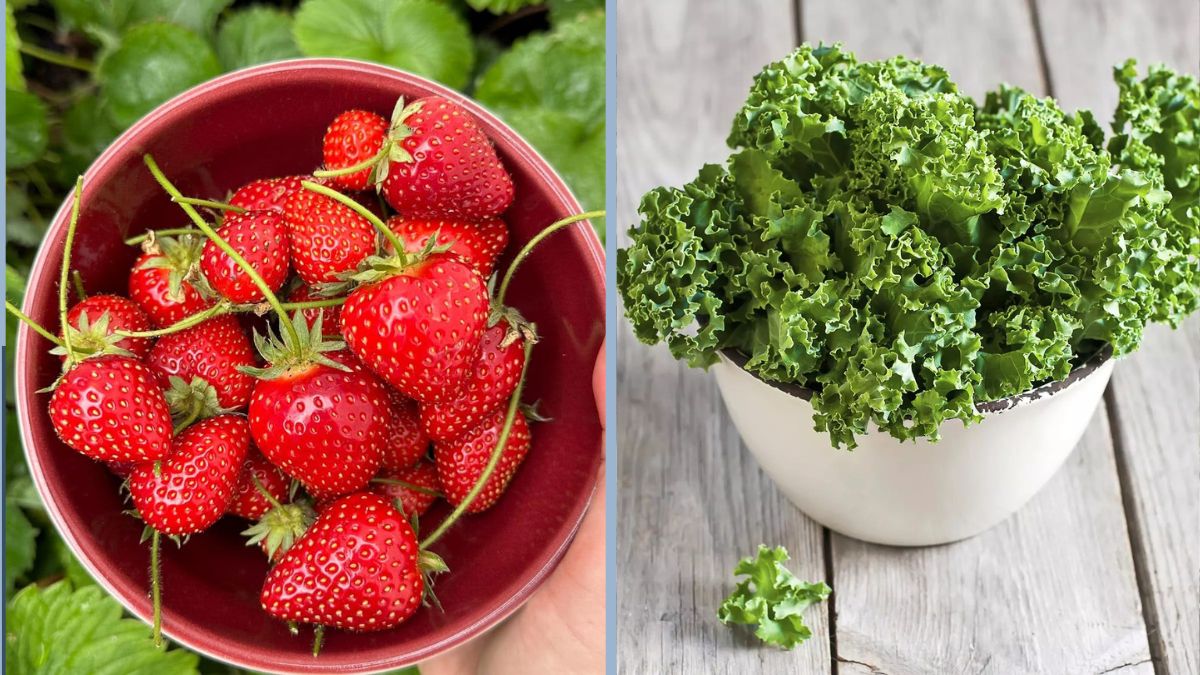
When it comes to vitamin C, oranges are often the first fruit that comes to mind. And while oranges are a great source, they are far from the only option. In fact, many other fruits and vegetables contain more vitamin C per serving than oranges, making it easier than ever to meet your daily requirements.
Vitamin C, also known as ascorbic acid, is an essential nutrient that plays a key role in immune function, collagen production, antioxidant protection, and wound healing. Adults typically need around 65–90 mg per day, with an upper limit of 2,000 mg. Including a variety of vitamin C-rich foods ensures you get diverse nutrients and flavors while boosting your health.
Here’s a look at seven foods that pack more vitamin C than oranges, along with tips for incorporating them into your diet.
1. Red Bell Peppers
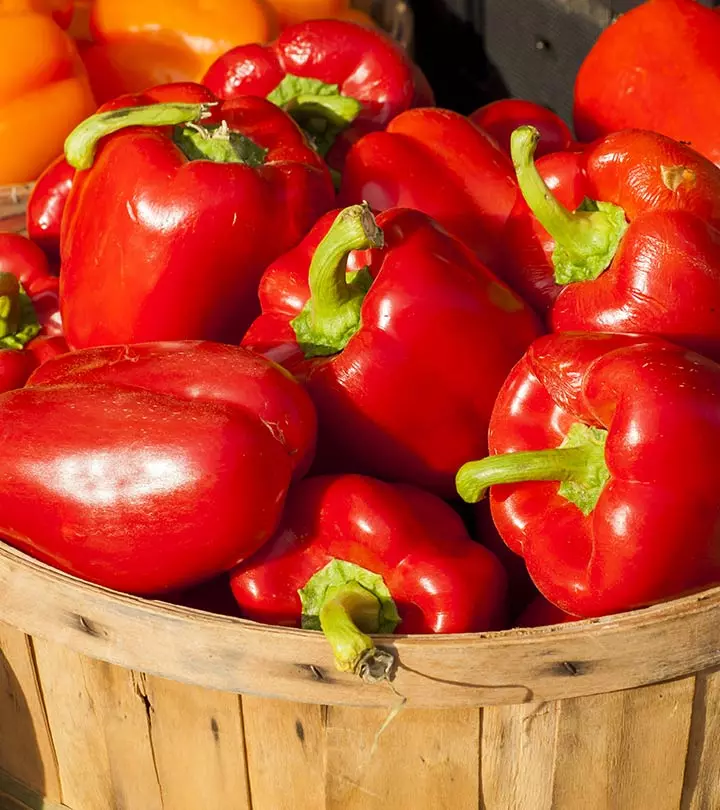
While green bell peppers are healthy, red bell peppers are vitamin C powerhouses. One cup of raw red bell pepper contains 190 mg of vitamin C, more than double the amount in a medium orange (about 70 mg).
Benefits:
- High in antioxidants like beta-carotene and flavonoids
- Supports immune function and skin health
- Low in calories and versatile in cooking
How to Eat Them:
- Slice raw into salads or veggie platters
- Roast or grill as a side dish
- Stir into pasta, omelets, or stir-fries
Red bell peppers also retain most of their vitamin C when eaten raw, but light steaming can slightly enhance bioavailability without significant loss.
2. Kiwi

The fuzzy, green fruit commonly known as kiwi is not only tangy and sweet but also a vitamin C superstar. One medium kiwi provides about 70 mg of vitamin C, roughly equal to an orange, and some varieties contain even more.
Benefits:
- High in antioxidants and dietary fiber
- Supports digestive health and immune defense
- Contains potassium, which supports heart health
How to Eat Kiwi:
- Slice and eat as a snack or dessert
- Add to smoothies or yogurt bowls
- Top oatmeal or cereal with kiwi slices for a vitamin boost
Kiwi’s unique enzymes also aid digestion, making it a dual-benefit fruit for gut health and immunity.
3. Strawberries

Strawberries are not only delicious but also rich in vitamin C. One cup of halved strawberries provides about 89 mg of vitamin C, exceeding the content of a medium orange.
Benefits:
- Contains antioxidants like anthocyanins and ellagic acid
- Supports heart health and skin protection
- Naturally sweet yet low in calories
How to Eat Strawberries:
- Enjoy fresh as a snack
- Blend into smoothies or desserts
- Add to salads for a sweet-tart flavor
Strawberries also pair well with vitamin C-sensitive ingredients, helping you absorb iron from plant-based meals when eaten together.
4. Guava

Guava is a tropical fruit that is often overlooked but incredibly rich in vitamin C. One cup of raw guava contains a whopping 377 mg of vitamin C, more than four times the content of an orange.
Benefits:
- Packed with fiber, aiding digestion
- High in antioxidants, supporting immune function
- Contains potassium, magnesium, and folate
How to Eat Guava:
- Eat fresh or in fruit salads
- Blend into smoothies or juices
- Make a tropical salsa with guava, lime, and herbs
Guava’s potent vitamin C content makes it an excellent choice for those looking to boost immunity naturally.
5. Kale
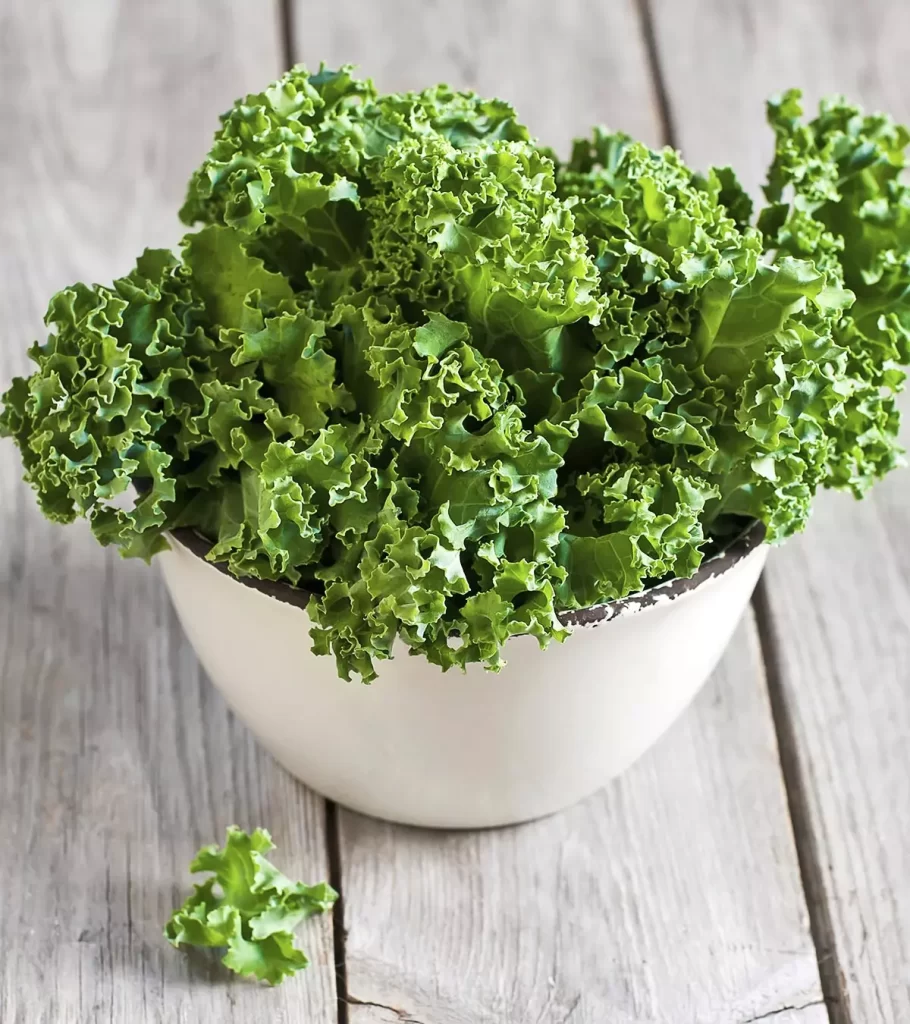
Kale isn’t just a leafy green trend — it’s a nutritional powerhouse. One cup of raw kale provides about 80 mg of vitamin C, surpassing the content of an orange.
Benefits:
- High in vitamin K, calcium, and antioxidants
- Supports bone health, immunity, and inflammation reduction
- Very low in calories but nutrient-dense
How to Eat Kale:
- Toss raw into salads or smoothies
- Sauté lightly with garlic and olive oil
- Add to soups, stews, or casseroles
Kale retains most of its vitamin C when eaten raw, but quick cooking methods like steaming can make it more digestible without significant nutrient loss.
6. Pineapple

Pineapple is not only tropical and refreshing but also an excellent source of vitamin C. One cup of pineapple chunks contains about 79 mg of vitamin C, just exceeding the amount found in a medium orange.
Benefits:
- Contains bromelain, an enzyme that supports digestion and reduces inflammation
- High in antioxidants for immune support
- Provides manganese, essential for bone and metabolic health
How to Eat Pineapple:
- Eat fresh as a snack or dessert
- Blend into smoothies or tropical drinks
- Grill or roast for a sweet-savory side dish
Pairing pineapple with protein-rich foods can enhance digestion due to its bromelain content.
7. Brussels Sprouts

Brussels sprouts may not be everyone’s favorite, but they’re packed with vitamin C. One cup of cooked Brussels sprouts provides about 96 mg of vitamin C, easily outstripping an orange.
Benefits:
- High in fiber, vitamin K, and antioxidants
- Supports heart health and digestion
- Contains sulforaphane, a compound linked to cancer protection
How to Eat Brussels Sprouts:
- Roast with olive oil and seasoning for a caramelized flavor
- Steam and toss with a squeeze of lemon
- Add to stir-fries or grain bowls
Cooking can reduce some vitamin C content, so aim for light steaming or roasting to preserve nutrients while enhancing flavor.
Why Diversifying Vitamin C Sources Matters
While oranges are nutritious, relying solely on one source of vitamin C can limit your nutrient variety. By incorporating a range of vitamin C-rich foods, you also gain access to fiber, antioxidants, and other vitamins and minerals that support overall health.
Additional Tips:
- Pair with iron-rich foods: Vitamin C enhances iron absorption from plant-based foods.
- Eat a mix of raw and cooked: Some vitamin C is lost during cooking, but lightly cooked vegetables still provide significant benefits.
- Include fruits and vegetables daily: Aim for a rainbow of colors to maximize antioxidant intake.
Conclusion: Oranges Are Great, but There’s More to Vitamin C
Oranges have long been associated with vitamin C, but as we’ve seen, there are many other foods that provide equal or greater amounts. Red bell peppers, kiwi, strawberries, guava, kale, pineapple, and Brussels sprouts all offer superior vitamin C content per serving, along with unique additional nutrients and antioxidants.
Incorporating these foods into your diet ensures you meet your daily vitamin C needs while also supporting immune function, skin health, and overall wellness. Rather than relying solely on oranges, diversify your intake with these nutrient-packed options to maximize health benefits and enjoy a variety of flavors.
Key Takeaways
- Vitamin C is essential for immune health, collagen production, and antioxidant defense.
- Many foods contain more vitamin C than oranges, including red bell peppers, guava, kale, and Brussels sprouts.
- Incorporating a variety of fruits and vegetables ensures you also get fiber, minerals, and additional antioxidants.
- Eat both raw and lightly cooked vitamin C-rich foods for optimal nutrient absorption.
- Diversifying your diet is a delicious way to meet your daily vitamin C requirements while enhancing overall health.