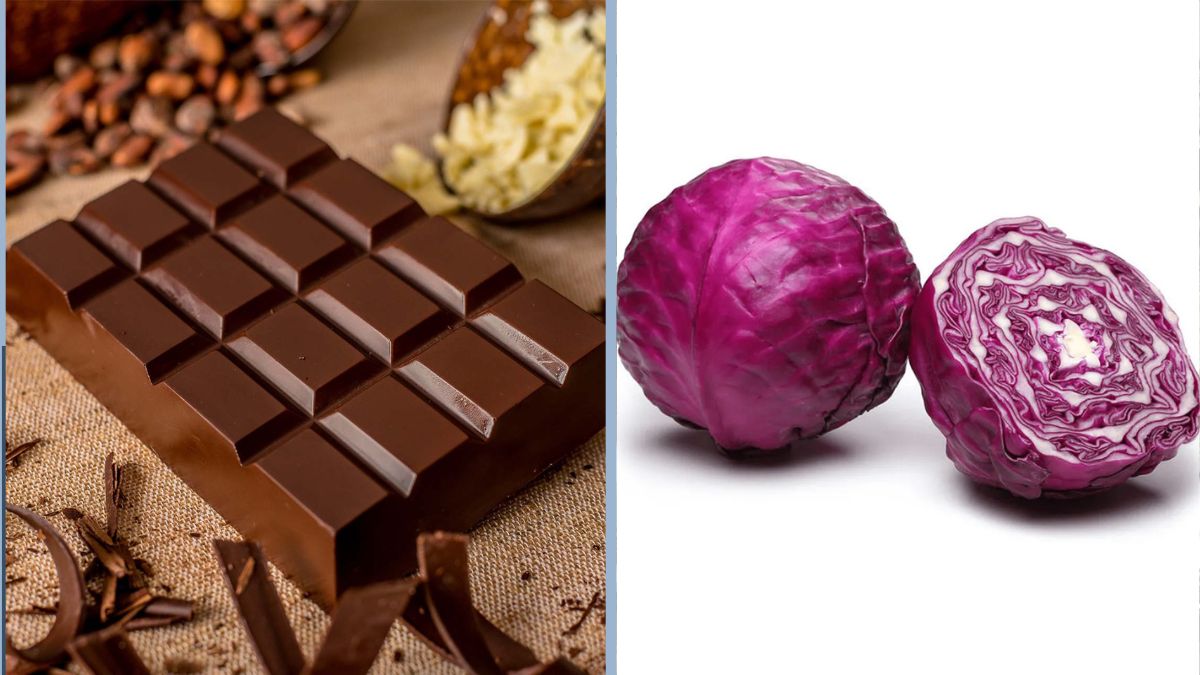
Blueberries are often hailed as a superfood, largely due to their rich antioxidant content. These tiny berries are packed with compounds like anthocyanins, which help fight oxidative stress, reduce inflammation, and protect your cells from damage. One cup of blueberries contains about 9.2 mmol of antioxidants (measured by ORAC value), making them a standout choice for overall health.
But did you know that several other foods actually contain more antioxidants per serving than blueberries? Incorporating these foods into your diet can help maximize your intake of protective compounds and support heart, brain, and overall cellular health.
Here’s a list of six foods with more antioxidants than blueberries, along with tips for enjoying them.
1. Dark Chocolate
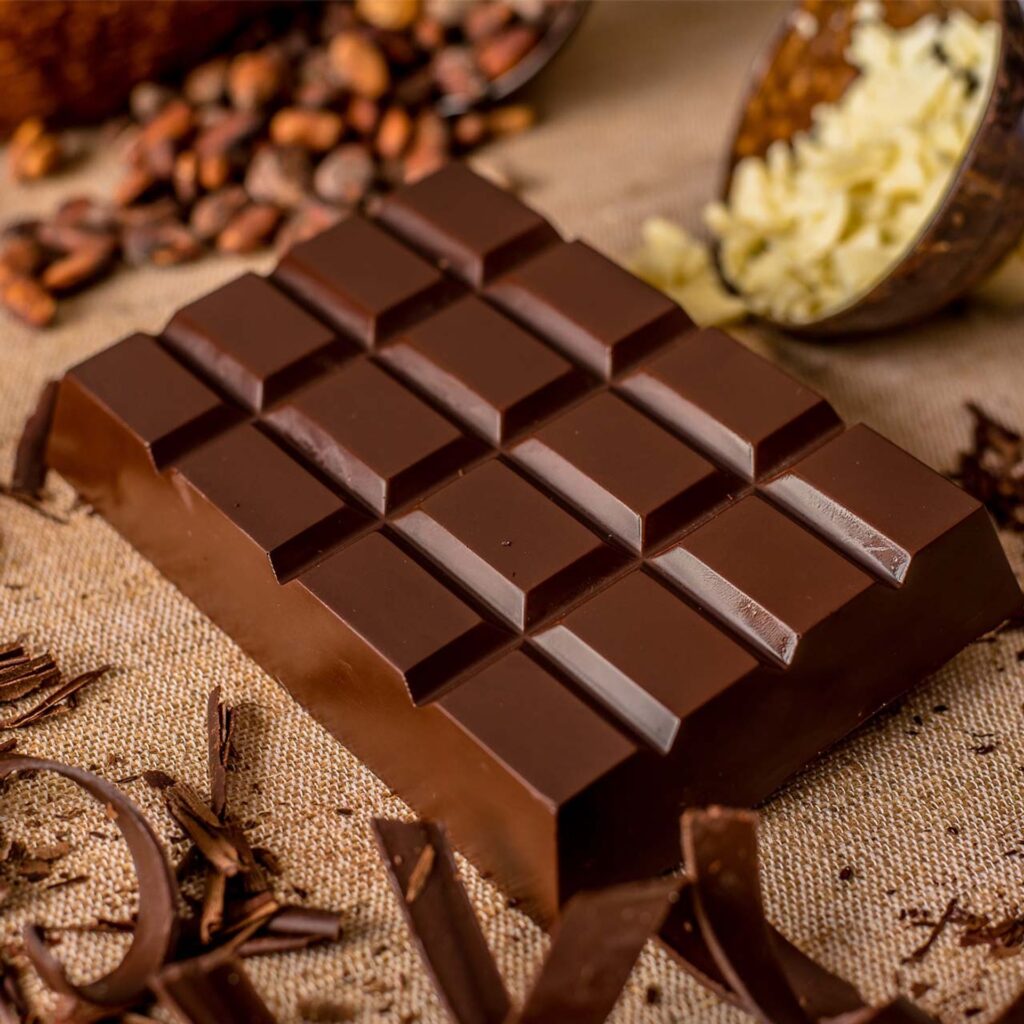
Yes, chocolate! Specifically, dark chocolate with at least 70% cocoa content is loaded with antioxidants, including flavanols that support cardiovascular health. Just 1 ounce (28 grams) of dark chocolate contains more antioxidants than a cup of blueberries.
Benefits:
- Supports heart health by improving blood flow and lowering blood pressure
- Contains magnesium, iron, and fiber
- May improve cognitive function and mood
How to Enjoy Dark Chocolate:
- Snack on a small square or two after meals
- Add cacao nibs to oatmeal, yogurt, or smoothie bowls
- Use in baking for a richer, antioxidant-packed treat
Tip: Opt for minimally processed dark chocolate with high cocoa content to maximize antioxidant levels while minimizing added sugar.
2. Pecans
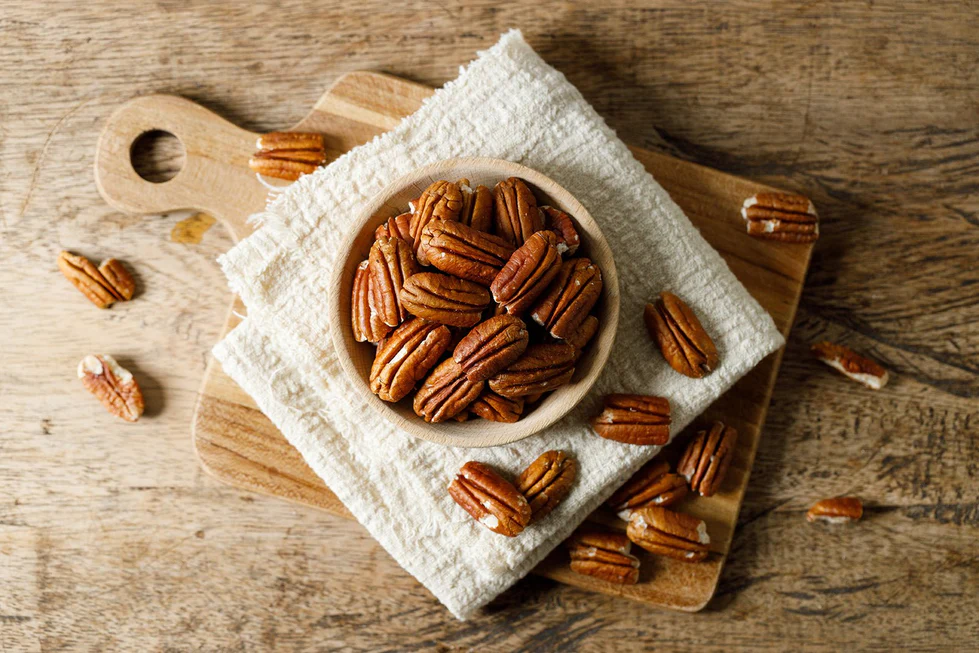
Pecans are more than just a tasty nut—they’re an antioxidant powerhouse. One ounce (28 grams) of pecans contains a higher ORAC value than blueberries, thanks to compounds like vitamin E and polyphenols.
Benefits:
- Supports heart health by reducing LDL cholesterol
- Provides healthy fats, fiber, and minerals like magnesium and zinc
- Anti-inflammatory properties protect cells from oxidative damage
How to Eat Pecans:
- Sprinkle over salads or oatmeal
- Add to baked goods or granola
- Enjoy as a simple snack
Pecans offer a crunchy, nutrient-dense way to boost your antioxidant intake.
3. Artichokes
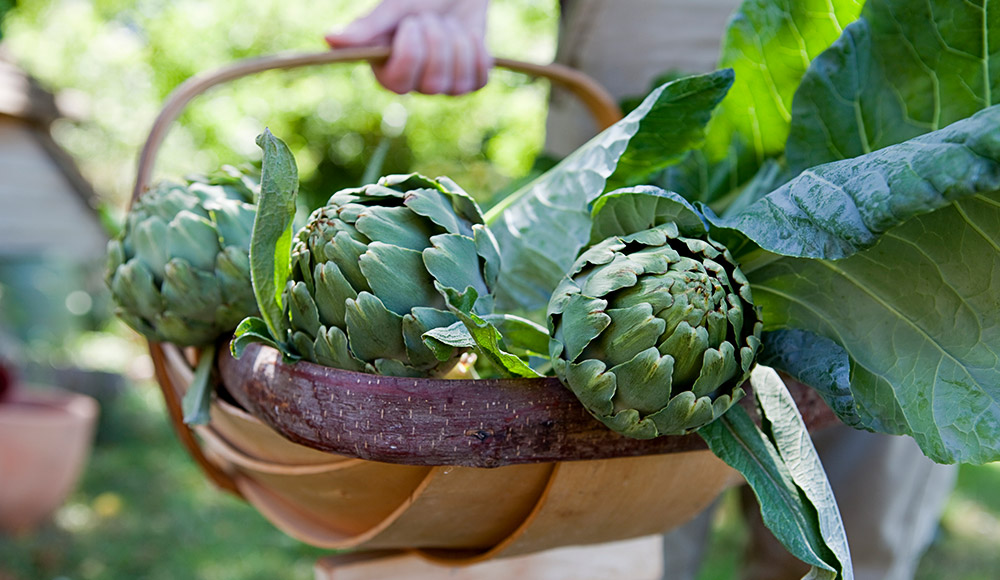
Artichokes might not get as much attention as berries, but they are a top antioxidant-rich vegetable. One medium cooked artichoke contains roughly 13 mmol of antioxidants, surpassing blueberries.
Benefits:
- High in fiber, promoting digestion and gut health
- Contains vitamin C, vitamin K, and folate
- Supports liver health due to compounds like cynarin
How to Eat Artichokes:
- Steam and dip in olive oil or vinaigrette
- Add to pasta, grain bowls, or salads
- Use marinated artichoke hearts in sandwiches or pizzas
Artichokes are an underrated vegetable that delivers impressive antioxidant support along with fiber and essential vitamins.
4. Goji Berries
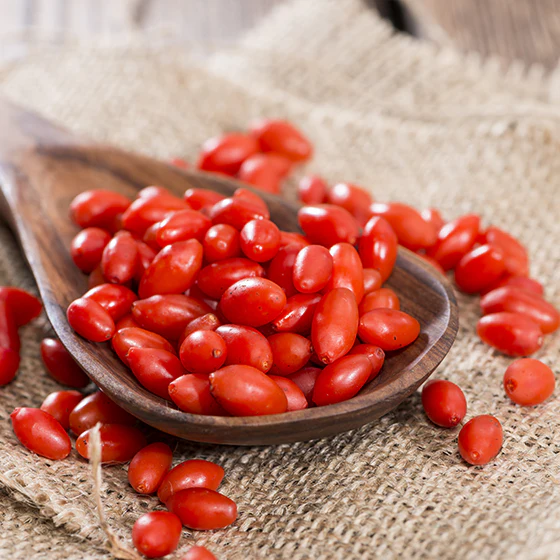
Goji berries, often found dried or in teas, are another food with higher antioxidant levels than blueberries. One ounce (28 grams) of dried goji berries contains about 10–15 mmol of antioxidants.
Benefits:
- Rich in vitamin A, vitamin C, and iron
- Contains polysaccharides that may support immune function
- Anti-inflammatory and antioxidant compounds protect cells
How to Eat Goji Berries:
- Sprinkle on oatmeal, yogurt, or smoothie bowls
- Mix into trail mix or energy bars
- Brew as a tea for a nutrient-rich beverage
Goji berries are sweet, tart, and portable, making them a convenient way to boost antioxidant intake.
5. Kidney Beans
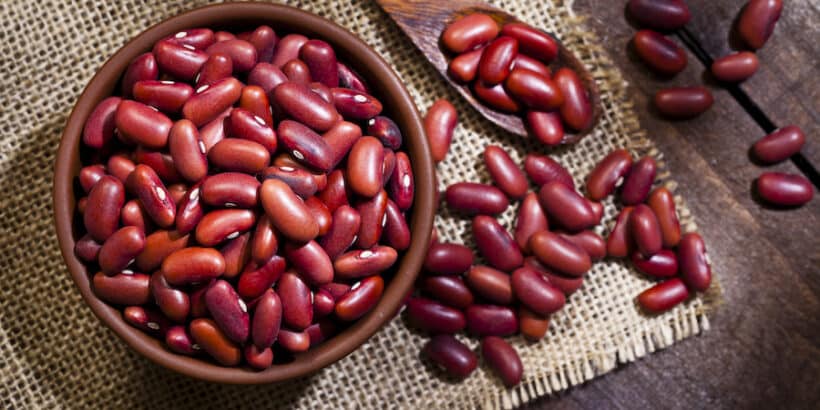
Legumes aren’t just about protein—they can also be antioxidant powerhouses. One cup of cooked kidney beans contains more antioxidants than a cup of blueberries. This is due to compounds like polyphenols and flavonoids, which support heart and metabolic health.
Benefits:
- High in fiber and plant-based protein, promoting fullness and gut health
- Supports blood sugar regulation
- Contains minerals like iron, magnesium, and potassium
How to Eat Kidney Beans:
- Add to soups, stews, and chili
- Mix into salads or grain bowls
- Mash and use in spreads or dips
Kidney beans are a versatile, protein-packed way to enhance antioxidant intake.
6. Red Cabbage
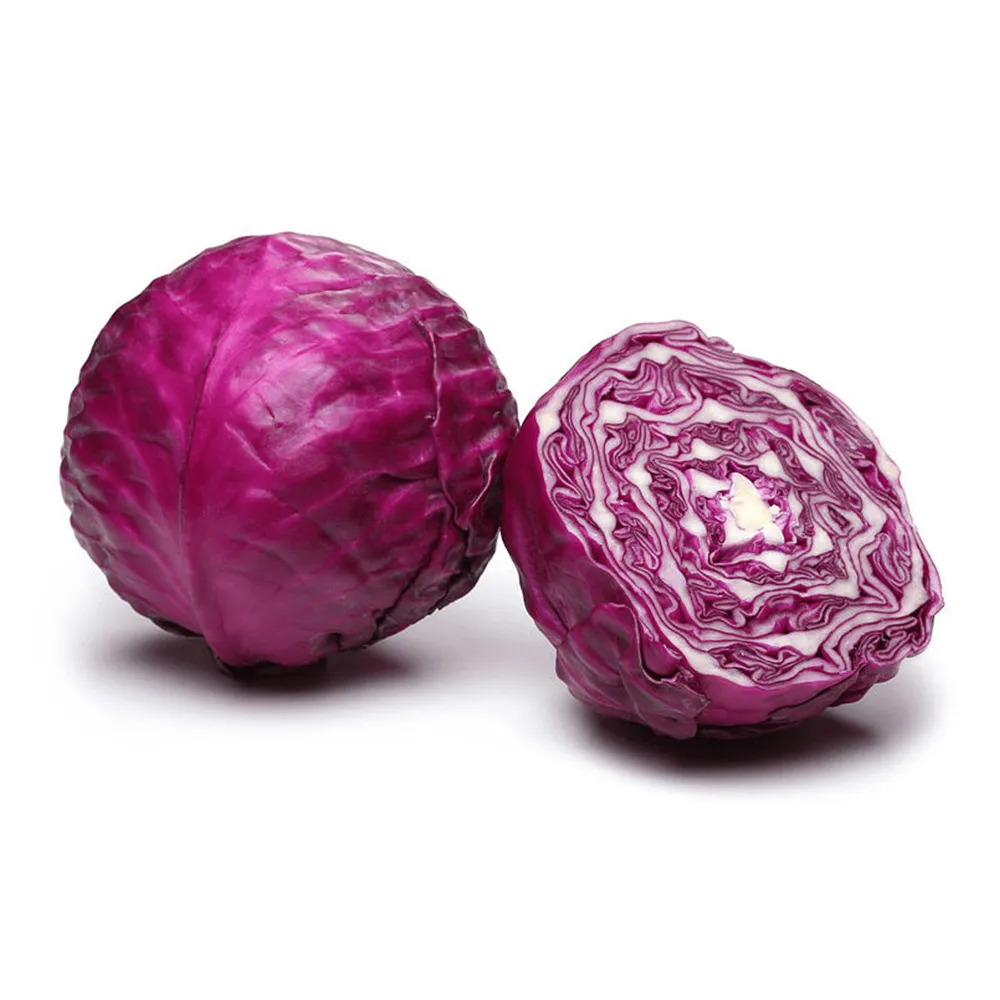
Red cabbage is a cruciferous vegetable loaded with antioxidants, particularly anthocyanins, giving it a vibrant purple color. One cup of cooked red cabbage has a higher antioxidant content than a cup of blueberries.
Benefits:
- Supports heart health and cognitive function
- High in vitamin C and vitamin K
- Contains compounds that may reduce inflammation and cancer risk
How to Eat Red Cabbage:
- Toss raw in coleslaw or salads
- Sauté or steam as a side dish
- Add to soups, stir-fries, or grain bowls
Red cabbage adds color, crunch, and powerful antioxidants to any meal.
Why Antioxidants Matter
Antioxidants are compounds that neutralize free radicals, unstable molecules that can damage cells and contribute to chronic diseases. Regularly consuming antioxidant-rich foods can:
- Reduce oxidative stress and inflammation
- Support cardiovascular and brain health
- Protect against certain cancers
- Improve skin health and aging
Eating a variety of antioxidant-rich foods ensures comprehensive protection, as different foods contain different types of antioxidants.
Tips for Maximizing Antioxidant Intake
- Eat a Rainbow of Foods: Different colors often indicate different antioxidant compounds, so include fruits, vegetables, legumes, nuts, and seeds.
- Include Both Raw and Cooked Options: Some antioxidants are enhanced by cooking (like lycopene in tomatoes), while others are preserved best raw.
- Pair with Healthy Fats: Fat-soluble antioxidants, such as vitamin E, are better absorbed when eaten with healthy fats.
- Limit Processed Foods: Highly processed foods often have fewer antioxidants and more pro-inflammatory compounds.
- Rotate Foods: Include a variety of antioxidant sources to maximize benefits and prevent nutrient monotony.
Other Notable Antioxidant-Rich Foods
While the six foods above surpass blueberries in antioxidant content, other foods also deserve mention:
- Blackberries and raspberries
- Artichoke hearts
- Pecans, walnuts, and other nuts
- Green tea
- Beets and beet greens
Including these foods alongside blueberries can create a comprehensive, antioxidant-rich diet.
Who Should Prioritize Antioxidants?
Antioxidants benefit everyone, but some groups may particularly benefit:
- Older adults: To combat age-related oxidative stress
- Athletes: To reduce exercise-induced oxidative damage
- Individuals with chronic inflammation or high oxidative stress: Such as smokers or those exposed to environmental pollutants
- People looking to support skin health and prevent aging-related damage
Regularly consuming antioxidant-rich foods can help maintain health, protect against disease, and improve longevity.
Conclusion: Blueberries Are Great, But There Are Stronger Contenders
Blueberries are undoubtedly nutritious and antioxidant-rich, but several foods surpass them in antioxidant content. Dark chocolate, pecans, artichokes, goji berries, kidney beans, and red cabbage all provide higher levels of protective compounds per serving.
Key Takeaways:
- Antioxidants help neutralize free radicals, reduce inflammation, and protect cells
- Some foods contain more antioxidants than blueberries, offering a wider variety of nutrients
- Include fruits, vegetables, legumes, nuts, and seeds for comprehensive antioxidant coverage
- Rotating antioxidant-rich foods maximizes health benefits and adds variety to your meals
By diversifying your diet with these foods, you can supercharge your antioxidant intake, support overall health, and enjoy a colorful, nutrient-dense variety of meals every day.